

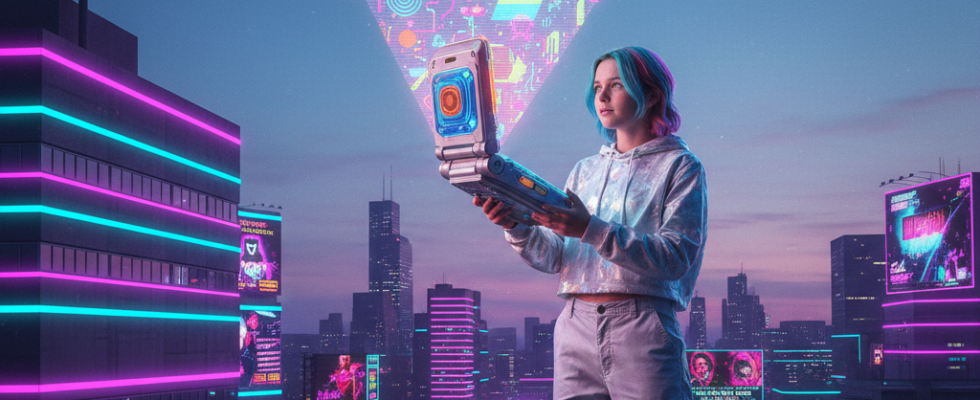
She is seventeen and obsessed with a show that ended before she was born. She watches it on her phone, quotes it in conversations, and dresses in outfits inspired by characters who were fictional before her parents met. This is not unusual among her peers. An entire generation is consuming entertainment from the early 2000s with the fervor typically reserved for new releases, and the reasons go deeper than simple nostalgia for an era they never experienced.
Advertisements
Y2K entertainment occupies a specific cultural position that makes it uniquely attractive to current audiences. It existed at the last moment before social media transformed public life. Characters in these shows live without the constant performance anxiety that defines modern existence. They make mistakes without documentation. They experience things without broadcasting them. For a generation raised under perpetual digital observation, that unmonitored freedom is exotic and deeply appealing.
The aesthetics contribute but do not fully explain the obsession. Low-rise jeans, flip phones, frosted tips, and butterfly clips are visually distinctive enough to function as costume. Adopting Y2K style creates visible tribal markers in the same way that every generation adopts a previous era’s visual language to differentiate themselves from their immediate predecessors.
Streaming platforms have noticed the trend in their data and responded by prominently featuring catalogs from this era. Some have invested in remasters, upgrading visual quality while preserving the original aesthetic. The result looks better on modern screens without losing the specific texture that makes it feel like a different world.
The emotional quality of Y2K entertainment differs from contemporary storytelling in ways that are easy to identify but difficult to replicate. Pacing was slower. Character development was more gradual. Storylines trusted viewers to stay invested across many episodes without cliffhangers at every commercial break. The patience of the format creates a viewing experience that feels almost meditative compared to the urgency of current content.
There is also optimism embedded in early 2000s entertainment that the current cultural moment lacks. These shows existed before the financial crisis, before pandemic, before the acceleration of climate anxiety. Their worldview is not naive exactly, but it carries a lightness that resonates as aspiration rather than ignorance when viewed from the present.
Every generation romanticizes an era it did not live through. What makes this iteration interesting is the specificity of what is being romanticized. Not the technology of that era, which was objectively worse. Not the politics, which were their own kind of complicated. But the feeling of existing without a permanent audience. That is what these old shows offer: a window into life before the performance became mandatory.