

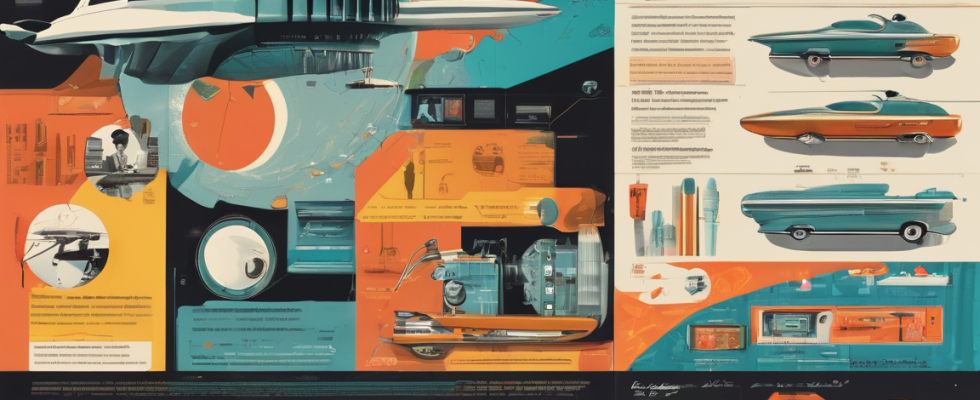
In today's ever-evolving design landscape, one trend continues to captivate both creators and consumers: retro-futurism. This unique style, characterized by a nostalgic yet imaginative approach to the future, has found its way into modern branding, capturing the hearts and minds of people across the United States. But what exactly is retro-futurism, and why are we so obsessed with it in the context of branding?
Advertisements
Understanding Retro-Futurism
Retro-futurism is an artistic movement that juxtaposes past visions of the future with contemporary design elements. Unlike futurism, which focuses on predicting upcoming technological advancements, retro-futurism reflects a nostalgic reinterpretation of those anticipations. It merges the imaginative outlooks of past generations with the aesthetics of their time, creating a paradoxical blend of familiarity and novelty. This movement is not merely about looking forward; it is about looking forward through the lens of the past.
The Appeal of Retro-Futurism
The allure of retro-futurism lies in its ability to evoke a sense of comfort and security. By drawing on familiar motifs from the past, such as sleek flying cars and streamlined skyscrapers envisioned during the mid-20th century, it offers a comforting escapism from the uncertainties of the present. This blend of nostalgia and imagination fuels our fascination, allowing us to engage with a future that feels both innovative and safe.
Retro-Futurism in Modern Branding
Incorporating retro-futurism into modern branding allows companies to tap into this cultural phenomenon, creating a connection with consumers that is both emotional and intellectual. By using retro-futuristic elements, brands can evoke a sense of timelessness and innovation, appealing to a broad audience that appreciates both the past and the future.
Creating Emotional Connections
Brands that utilize retro-futurism effectively can create deep emotional connections with their audiences. These connections are forged by evoking feelings of nostalgia and hope, offering consumers a vision of the future that is both familiar and aspirational. For instance, using retro-futuristic imagery in advertising can remind viewers of the optimistic visions of the future they grew up with, while simultaneously presenting a modern twist that excites and engages.
Differentiation in a Competitive Market
In a crowded marketplace, standing out is crucial for any brand. Retro-futurism offers a unique way to differentiate products and services by tapping into a cultural zeitgeist that resonates with a wide demographic. This approach allows brands to position themselves as both innovative and rooted in a rich cultural heritage.
Key Examples of Retro-Futurism in Branding
Numerous brands have successfully integrated retro-futurism into their branding strategies, creating memorable and impactful campaigns that resonate with consumers.
Apple and the Retro-Futuristic Aesthetic
Apple is a prime example of a brand that has embraced retro-futurism. The tech giant often incorporates sleek, minimalist designs reminiscent of 1960s sci-fi visions of the future. By doing so, Apple not only pays homage to the past but also positions itself as a forward-thinking innovator in technology.
Automobiles and Retro-Futuristic Design
The automotive industry has also embraced retro-futurism, with several car manufacturers creating concept cars that harken back to the iconic designs of the past while incorporating cutting-edge technology. These designs not only appeal to car enthusiasts but also engage a broader audience by blending nostalgia with innovation.
Challenges and Criticisms
While retro-futurism offers numerous benefits, it is not without its challenges and criticisms. Some argue that relying too heavily on nostalgia can stifle true innovation, as brands may become more focused on reimagining past designs rather than creating entirely new concepts. Additionally, there is a risk of alienating younger consumers who may not have the same emotional connection to past eras.
Balancing Nostalgia and Innovation
To overcome these challenges, brands must strike a delicate balance between nostalgia and innovation. This involves using retro-futuristic elements as a foundation while incorporating fresh, forward-thinking ideas that push the boundaries of design and creativity. By doing so, brands can create a harmonious blend of past and future that resonates with diverse audiences.
Conclusion
The obsession with retro-futurism in modern branding is a testament to our enduring fascination with the interplay between past and future. By embracing this unique aesthetic, brands can create emotional connections, differentiate themselves in a competitive market, and appeal to a broad audience that values both nostalgia and innovation. However, success in this endeavor requires a careful balance, ensuring that while we draw inspiration from the past, we continue to innovate and push the boundaries of what is possible.
In an era where change is constant, retro-futurism provides a bridge between the stability of the past and the promise of the future, offering both comfort and excitement. As we look forward, this movement will undoubtedly continue to influence the world of branding, shaping how we envision and interact with the products and services of tomorrow.