

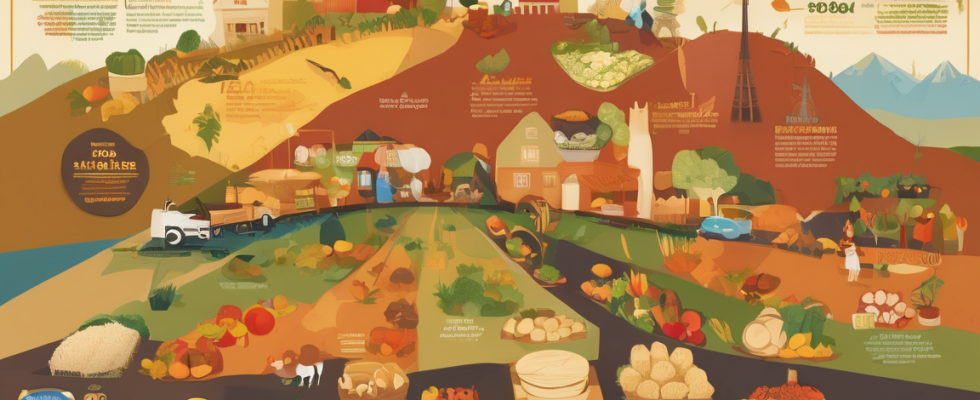
In recent years, the Slow Food movement has experienced a significant resurgence, particularly in the United States. This global, grassroots organization was founded in 1989 with the mission to preserve local food cultures and traditions, and to counteract the rapid rise of fast food. As modern society grapples with the implications of a fast-paced lifestyle, many are turning to the principles of Slow Food as a form of rebellion and a step toward sustainable living. This article explores the reasons behind the renewed popularity of Slow Food and how it can contribute to a healthier, more sustainable future.
Advertisements
The Core Principles of Slow Food
The Slow Food movement is built on three key principles: good, clean, and fair. These principles emphasize the importance of consuming food that is flavorful and nutritious, produced without harm to the environment, and accessible to all, with fair compensation for producers. By adhering to these principles, Slow Food promotes a more mindful approach to eating, focusing on quality over quantity.
Good: Quality and Taste
One of the primary appeals of Slow Food is its emphasis on quality and taste. Unlike fast food, which often prioritizes speed and convenience over nutritional value, Slow Food encourages individuals to savor and appreciate the flavors and textures of their meals. This focus on taste is not only enjoyable but also encourages the consumption of wholesome, nutrient-rich ingredients that contribute to overall well-being.
Clean: Environmental Sustainability
Slow Food also places a strong emphasis on sustainability. By supporting local farmers and producers who use environmentally friendly practices, the movement helps reduce the carbon footprint associated with food production and distribution. This commitment to sustainability is increasingly important as concerns about climate change and environmental degradation continue to grow. By choosing Slow Food, consumers can play an active role in promoting ecological balance and protecting the planet for future generations.
Fair: Social Equity
The Slow Food movement is also deeply rooted in the principle of social equity. It advocates for fair wages and working conditions for food producers, many of whom are small-scale farmers and artisans. By prioritizing fair trade practices, Slow Food helps ensure that these individuals are compensated fairly for their work, which in turn supports local economies and strengthens communities.
The Rebellion Against Fast Culture
In a world that often values speed and efficiency above all else, the Slow Food movement serves as a form of rebellion against the fast culture that dominates modern life. This cultural shift is evident in the growing number of people who are choosing to buy from local farmers' markets, join community-supported agriculture (CSA) programs, and participate in food co-ops. These choices not only support local economies but also foster a sense of community and connection that is often lacking in today's fast-paced society.
Health Benefits
The health benefits associated with Slow Food are another reason for its growing popularity. By prioritizing whole, unprocessed foods that are free from additives and artificial ingredients, Slow Food promotes a diet that is inherently healthier. This focus on clean eating can help reduce the risk of chronic diseases such as obesity, diabetes, and heart disease, which are often linked to the consumption of fast food.
Cultural Preservation
In addition to its health and environmental benefits, Slow Food also plays a crucial role in preserving cultural heritage. By celebrating traditional cooking methods and regional cuisines, the movement helps maintain the unique food cultures that are at risk of disappearing in an increasingly globalized world. This cultural preservation is particularly important in countries like Brazil, where Slow Food efforts are helping to protect the rich biodiversity and culinary traditions of regions like the Cerrado savanna.
The Role of Slow Food in Community Building
Slow Food's emphasis on local food systems naturally fosters community building. By encouraging people to buy from those they know, the movement strengthens community ties and promotes a sense of belonging. This community-oriented approach is especially important in urban areas, where the fast pace of life can often lead to feelings of isolation and disconnection.
Philanthropic Aspect
Beyond individual and community benefits, the Slow Food movement also has a philanthropic side. Many Slow Food initiatives involve educational programs that teach people about sustainable agriculture, cooking, and nutrition. These programs empower individuals to make informed food choices and inspire the next generation to prioritize sustainability and health in their eating habits.
Conclusion
The resurgence of the Slow Food movement in the United States and around the world is a testament to its enduring appeal and relevance. By advocating for good, clean, and fair food, Slow Food offers a compelling alternative to the fast culture that has come to dominate modern life. Its emphasis on quality, sustainability, and social equity resonates with individuals seeking a more mindful and intentional approach to eating. As more people become aware of the health, environmental, and cultural benefits of Slow Food, its popularity is likely to continue growing, paving the way for a more sustainable and equitable food system.
In embracing Slow Food, we not only honor our culinary heritage but also take a crucial step toward a healthier, more connected, and more sustainable future for all.