

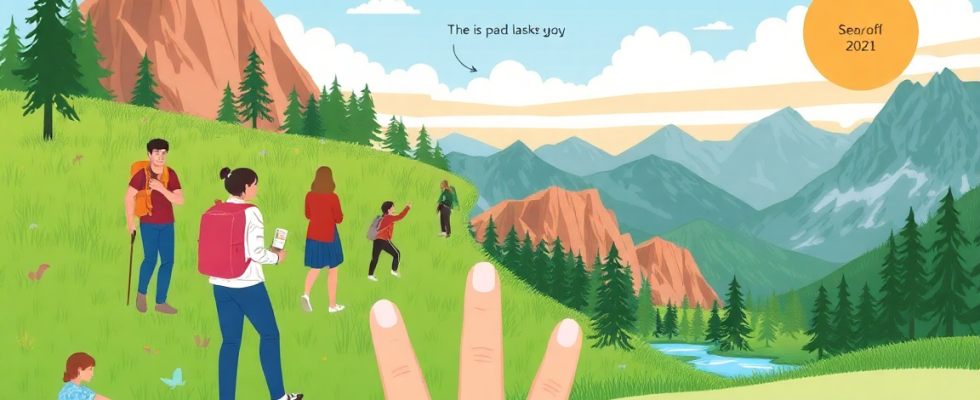
In recent years, the phrase "touch grass" has evolved from merely a humorous internet meme into a literal call to reconnect with nature. This transformation is underscored by a significant 35 percent increase in national park bookings in the United States this year. This article explores the multifaceted reasons behind this surge, including the growing awareness of mental health benefits, the impact of the COVID-19 pandemic, and the increasing accessibility of national parks.
Advertisements
The Mental Health Connection
One of the fundamental drivers behind the increased interest in national parks is the growing awareness of mental health benefits associated with spending time in nature. Research has consistently shown that spending time outdoors can reduce stress, anxiety, and depression. The natural environment provides a respite from the constant stimulation of urban life, offering a space for reflection and relaxation.
Nature as a Stress Reliever
Natural settings are inherently calming. The sounds of rustling leaves, chirping birds, and flowing water create an environment where the mind can unwind. Studies have demonstrated that even short periods spent in nature can lower cortisol levels, which are associated with stress. For example, a study conducted by Stanford University found that participants who walked for 90 minutes in a natural area showed decreased activity in a region of the brain associated with depression. In a world where many people are increasingly aware of their mental health needs, the act of "touching grass" is becoming a practical method for achieving balance and peace. This natural remedy is not only accessible but also effective, contributing significantly to the surge in national park visits.
The Pandemic Effect
The COVID-19 pandemic has had a profound impact on people's lifestyles, leading to an increased appreciation for outdoor spaces. During the height of the pandemic, public health guidelines restricted indoor gatherings, making outdoor activities one of the few viable options for recreation and socialization. This shift has had a lasting impact, fostering a renewed interest in national parks.
Safe Spaces for Social Distancing
National parks offer vast open spaces where individuals and families can maintain social distancing while enjoying recreational activities. Hiking trails, picnic areas, and scenic viewpoints provide opportunities for safe gatherings and exercise. Many people found solace in the fact that they could still explore and enjoy nature without the fear of overcrowding, which was a significant concern during the pandemic. As people have become more accustomed to spending time outdoors, national parks have become a preferred choice for those seeking safe, healthy environments. This newfound preference has persisted even as restrictions have eased, with many continuing to choose outdoor adventures over other forms of leisure.
Increased Accessibility and Infrastructure
Another factor contributing to the rise in national park bookings is the increased accessibility and improved infrastructure of these natural spaces. Efforts have been made to enhance the visitor experience, making parks more accessible to a wider audience.
Improved Facilities and Services
Many national parks have upgraded their facilities to accommodate a growing number of visitors. This includes the expansion of parking areas, the addition of visitor centers, and the improvement of trail systems. For instance, the Grand Canyon National Park has made significant enhancements to its South Rim facilities, improving visitor access and services. Additionally, many parks now offer educational programs and guided tours, making the experience more enriching for visitors. These improvements not only cater to the needs of seasoned hikers but also make parks more welcoming to first-time visitors and families.
Online Booking and Digital Engagement
The ease of online booking and digital engagement has also played a significant role in boosting park visits. Many national parks have developed user-friendly websites and mobile apps that allow visitors to plan their trips efficiently. These digital tools provide valuable information about park conditions, trail maps, and safety tips, enhancing the overall visitor experience. For example, Yellowstone National Park's mobile app offers real-time updates on trail conditions and wildlife sightings, ensuring visitors have the most current information. This digital transformation makes it easier than ever for people to connect with nature, leading to an increase in bookings.
Environmental Awareness and Education
The rise in national park bookings can also be attributed to increased environmental awareness and education. As individuals become more conscious of the importance of preserving natural spaces, they are more inclined to visit and support national parks.
Learning Through Experience
National parks offer educational opportunities that allow visitors to learn about ecosystems, wildlife, and conservation efforts firsthand. Ranger-led programs and interpretive signage provide insights into the unique features and ecological significance of each park. For example, Everglades National Park offers guided tours that educate visitors about the park's critical role in biodiversity and water conservation. This hands-on learning experience fosters a deeper appreciation for nature and inspires visitors to become advocates for environmental conservation. As people seek to gain a better understanding of the natural world, national parks serve as invaluable educational resources that encourage responsible stewardship of the environment.
Conclusion
In conclusion, the 35 percent increase in national park bookings this year can be attributed to a combination of factors, including the mental health benefits of nature, the impact of the COVID-19 pandemic, improved accessibility, and increased environmental awareness. As society continues to navigate the challenges of modern life, the act of "touching grass" is emerging as a vital practice for maintaining mental and physical well-being. National parks offer a sanctuary where individuals can reconnect with nature, find solace, and contribute to the preservation of these invaluable natural spaces. By understanding and embracing these motivations, we can continue to support and enjoy the beauty and tranquility that national parks provide, ensuring they remain cherished destinations for generations to come.