

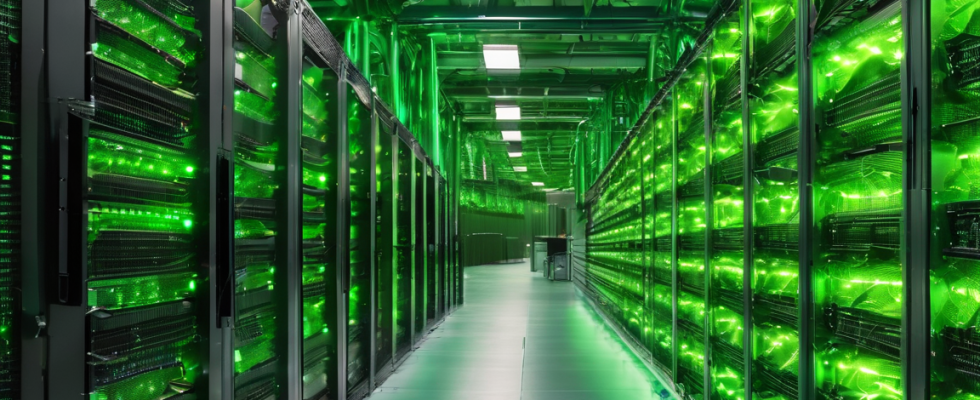
In the digital age, data centers are the backbone of the internet, facilitating everything from email communication to streaming services. As demand for digital services grows, so does the environmental impact of these crucial infrastructures. However, a promising shift is underway towards green data centers, which aim to minimize this impact while maximizing energy efficiency. This article explores the rise of green data centers and how they are making the internet greener.
Advertisements
Understanding Green Data Centers
A green data center is a facility that houses IT infrastructure and employs energy-efficient technologies to optimize energy use and reduce the environmental impact. Traditional data centers consume vast amounts of energy primarily for powering servers and cooling equipment. In contrast, green data centers incorporate sustainable practices and technologies to enhance energy efficiency. According to IBM, these facilities are designed to minimize carbon footprints and often utilize renewable energy sources, such as solar or wind power, to meet their energy needs.
The Need for Sustainable Solutions
The increasing demand for digital services has led to a rise in the number of data centers worldwide, which in turn has heightened concerns about their environmental impact. As pointed out by DigitalEdgeDC, green data centers are emerging as a solution to this growing need for sustainability and carbon footprint reduction. By adopting green technologies, these centers not only reduce energy consumption but also decrease operational costs over time.
Technological Innovations Driving Change
Technological innovation plays a crucial role in the transition to greener data centers. The integration of artificial intelligence (AI) and machine learning is revolutionizing sustainability in this sector. According to LinkedIn, AI technologies are being used to optimize energy usage by predicting demand more accurately and adjusting power distribution accordingly. Machine learning algorithms can also enhance the efficiency of cooling systems, which are a major energy drain in traditional data centers.
The Role of Renewable Energy
One of the most significant contributors to the greening of data centers is the use of renewable energy. Many facilities are now powered by solar panels, wind turbines, or hydroelectric sources. This not only reduces reliance on fossil fuels but also helps stabilize energy costs in the long run. By investing in renewable energy, data centers are able to support a more sustainable digital infrastructure.
Efficient Cooling Systems
Cooling is a critical aspect of data center operations, as it prevents overheating and ensures the reliability of servers. Traditional cooling methods can be energy-intensive, but green data centers are adopting more efficient solutions. Innovative cooling technologies, such as liquid cooling and free cooling, use significantly less energy. Liquid cooling involves circulating coolant directly to hot components, while free cooling leverages outside air to reduce indoor temperatures without mechanical refrigeration.
Sustainable Building Materials and Design
The construction of green data centers also involves using sustainable building materials and designs that minimize environmental impact. These facilities often incorporate energy-efficient lighting, advanced insulation, and eco-friendly building materials. Design strategies such as maximizing natural light and optimizing airflow contribute to energy savings. Moreover, some green data centers are built underground or in cooler climates to naturally reduce the need for air conditioning.
The Economic Benefits of Going Green
While the initial investment in green data centers can be significant, the long-term economic benefits are substantial. Energy-efficient technologies reduce operational costs, and the use of renewable energy can protect against fluctuating energy prices. Companies that invest in green data centers can also enhance their corporate image and appeal to environmentally conscious consumers. Furthermore, as regulations on carbon emissions become stricter, being ahead of the curve in sustainability can offer a competitive advantage.
Challenges and Future Prospects
Despite the clear benefits, the transition to green data centers is not without challenges. The integration of new technologies requires significant financial investment and expertise. Additionally, the availability of renewable energy sources varies by location, which can limit opportunities for some data centers. However, as technology advances and more companies recognize the importance of sustainability, the adoption of green data centers is expected to grow.
According to Greener Data, the future of sustainable IT lies in scalable solutions that integrate AI, data management, and digital infrastructure. As the industry continues to innovate, green data centers will likely become the standard rather than the exception.
Conclusion
The rise of green data centers represents a pivotal shift towards a more sustainable internet. By embracing energy-efficient technologies, renewable energy, and sustainable design practices, these facilities are reducing the environmental impact of our digital lives. While challenges remain, the benefits of green data centers—both environmental and economic—are driving their adoption across the globe. As this trend continues, the internet will become not only a more powerful tool for communication and innovation but also a greener one, aligning with broader global efforts towards sustainability.