

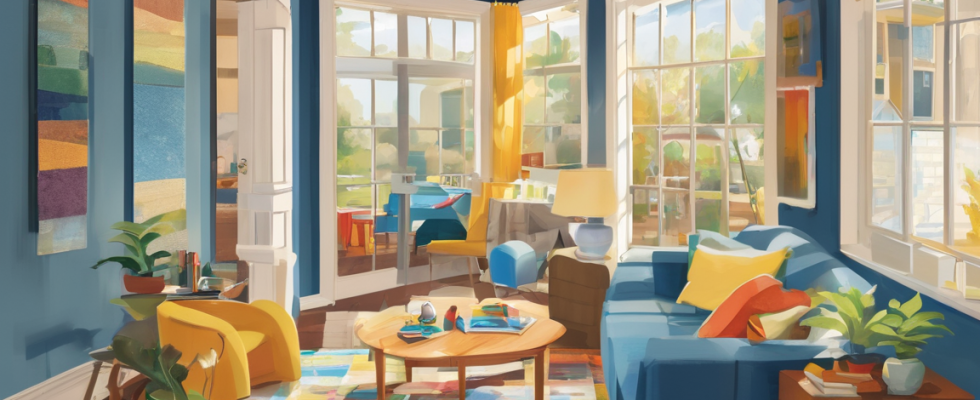
Choosing the right paint for your home is more than just a matter of aesthetics; it involves understanding the psychology of color and how it can influence mood and behavior. A thoughtful choice of color can transform a space, affecting how you feel and interact within it. This guide will delve into the psychology of color in home design, offering insights into how to select the ideal hues that reflect your personality while fostering the desired atmosphere.
Advertisements
Understanding Color Psychology
Color psychology explores how different colors affect human perception and emotion. This field of study is crucial in interior design, as the colors you choose can significantly impact the ambiance of a room. For instance, warm colors like red, orange, and yellow often evoke feelings of warmth and comfort, while cooler colors such as blue and green are associated with calmness and relaxation.
Warm Colors: Energizing and Inviting
Warm colors are known for their ability to energize a space. Red, in particular, is a powerful color that can stimulate conversation and raise energy levels, making it an excellent choice for dining rooms or social areas. However, it's essential to use red sparingly as it can become overwhelming if overused.
Orange is another warm color that promotes enthusiasm and creativity. It works well in spaces where you want to inspire activity and conversation, such as a kitchen or home office. Yellow, the color of sunshine, is often associated with happiness and positivity. It is ideal for areas where you want to create an uplifting atmosphere, like the living room or a playroom.
Cool Colors: Calming and Soothing
Cool colors, on the other hand, are perfect for creating a serene environment. Blue is a popular choice for bedrooms and bathrooms because of its calming effects. It can help lower blood pressure and heart rate, promoting a sense of tranquility. Green, reminiscent of nature, is another calming color that brings balance and harmony to a space.
Purple, particularly in lighter shades like lavender, combines the calming effect of blue and the energetic qualities of red, making it suitable for any room where you want to encourage both relaxation and creativity.
Factors to Consider When Choosing Paint Colors
When selecting paint colors for your home, consider several factors beyond just personal preference. These include the size of the room, the sources of natural light, and the flow between different spaces.
Room Size and Lighting
The size of a room and the amount of natural light it receives can greatly affect how colors appear. In smaller rooms, lighter colors can make the space feel larger and more open. Conversely, darker colors can create a cozy, intimate atmosphere in larger areas.
Lighting also plays a crucial role. Natural light will show the truest color, while artificial lighting can alter a paint's hue. It's advisable to test paint samples in the room you're decorating to see how the color looks at different times of the day.
Room-to-Room Flow
Creating a cohesive flow from room to room is vital in home design. This doesn't necessarily mean using the same color throughout the house, but rather ensuring that colors complement one another as you move between spaces. This can be achieved by using a consistent color palette or choosing colors that naturally transition well.
Practical Tips for Applying Color Psychology
To apply color psychology effectively in your home, start by considering the purpose of each room. Think about the mood you want to evoke and how the color will influence that atmosphere. Here are some expert tips to guide you:
Find Inspiration at Home: Look at the existing elements in your home, such as furniture, artwork, or flooring, for color inspiration. This can help you choose shades that harmonize with the current decor.
Consult Color Psychology: Use the principles of color psychology to select colors that align with the function of each room. For example, calming blues for bedrooms and energizing yellows for kitchens.
Test Before You Commit: Always test paint samples on your walls before making a final decision. Observe how the color changes with light throughout the day.
Balance Bold and Neutral Colors: While bold colors can make a statement, balancing them with neutral tones can prevent a room from feeling overwhelming. Neutrals like beige, gray, or white can act as a canvas that allows more vibrant colors to stand out.
Conclusion
The psychology of color is a powerful tool in home design, influencing both the mood and functionality of your space. By understanding the emotional and psychological effects of different hues, you can make informed choices that enhance your home environment. Whether you're seeking a calming retreat or an energizing workspace, the right paint colors can help you achieve your desired outcome. Remember to consider factors such as room size, lighting, and flow to ensure a harmonious and personalized home design. With these insights, you'll be well-equipped to create a space that reflects your personality and supports your lifestyle.