

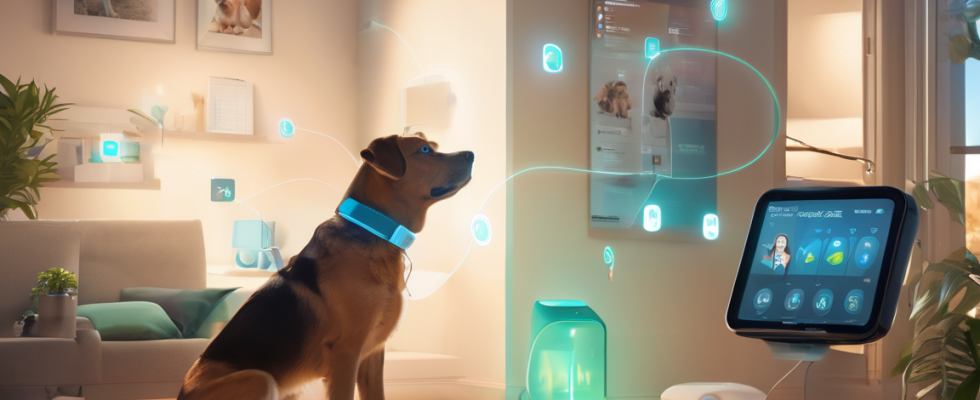
As the pet care industry continues to evolve, technology is playing an increasingly pivotal role in shaping its future. From smart feeders to AI-driven health monitoring, these innovations are transforming how pet owners care for their furry companions. In this article, we will explore the latest advancements in pet technology, focusing on AI health monitoring and smart feeders, and how they are revolutionizing the pet care industry.
Advertisements
The Rise of Pet Technology
The global pet care market is rapidly growing, with technology-driven solutions leading the charge. According to tgmresearch.com, the market is valued at approximately $10.5 billion, underscoring the significant impact of technological advancements. The integration of artificial intelligence (AI) and Internet of Things (IoT) devices into pet care is not just a trend but a fundamental shift in how we interact with and care for our pets.
AI Health Monitoring: A New Frontier
Understanding Pet Health Through AI
Artificial intelligence has made significant strides in various fields, and pet care is no exception. AI health monitoring systems are becoming increasingly sophisticated, providing pet owners with real-time insights into their pets' health and well-being. These systems utilize data from wearables, such as smart collars, to track vital signs like heart rate, activity levels, and sleep patterns. This information can be crucial for early detection of health issues, allowing for timely intervention and potentially saving lives.
The Benefits of AI in Pet Health Monitoring
AI health monitoring offers several benefits that enhance pet care. Firstly, it provides continuous monitoring, which is particularly useful for pets with chronic conditions or those recovering from surgery. Additionally, AI systems can analyze patterns over time, offering predictive insights into potential health risks. This proactive approach to pet health management is a game-changer, enabling pet owners to take preventive measures rather than reactive ones.
Smart Feeders: Revolutionizing Nutrition
The Role of Smart Feeders in Pet Care
Smart feeders are another technological advancement that is transforming pet nutrition. These devices are designed to automate feeding schedules, ensuring pets receive the right amount of food at the right times. According to researchgate.net, smart feeders are part of a broader spectrum of innovations including automated water dispensers and pet cameras, all aimed at enhancing pet care.
Personalized Feeding with AI
One of the most exciting developments in smart feeders is their integration with AI for personalized feeding plans. As highlighted by mdpi.com, AI can analyze a pet's dietary needs based on factors such as age, weight, breed, and activity level. This data-driven approach ensures that pets receive a balanced diet tailored to their specific requirements, promoting better health and vitality.
The Impact of Smart Technology on Pet Owners
Convenience and Peace of Mind
For pet owners, smart technology offers unparalleled convenience and peace of mind. With smart feeders and AI health monitoring, owners can ensure their pets are well-fed and healthy, even when they are away from home. Pet cameras and smart collars further enhance this connectivity, allowing owners to check in on their pets remotely.
Enhancing the Human-Animal Bond
Beyond convenience, pet technology strengthens the bond between pets and their owners. By providing insights into a pet's health and behavior, these technologies encourage more informed and attentive care. Owners can respond more effectively to their pets' needs, fostering a deeper understanding and connection.
Challenges and Considerations
Privacy and Security Concerns
While the benefits of pet technology are clear, there are challenges that need to be addressed. Privacy and security concerns are paramount, as these devices often collect sensitive data. Ensuring robust data protection measures is essential to maintain trust among pet owners.
Cost and Accessibility
Another consideration is the cost and accessibility of these technologies. While prices are gradually decreasing, making them more accessible to a broader audience, they still represent a significant investment. Addressing these barriers is crucial for widespread adoption.
The Future of Pet Care
The future of pet care is undoubtedly intertwined with technology. As AI and IoT continue to advance, we can expect even more innovative solutions that enhance the well-being of our pets. From improved health monitoring systems to more sophisticated smart feeders, the possibilities are endless.
A Vision for Tomorrow
Looking ahead, the potential for AI health monitoring and smart feeders is immense. As these technologies become more refined, they will offer even greater insights and convenience for pet owners. The integration of machine learning and predictive analytics could further revolutionize pet care, providing personalized recommendations and interventions.
Conclusion
In conclusion, the future of pet care is bright, driven by the remarkable advancements in technology. AI health monitoring and smart feeders are at the forefront of this transformation, offering valuable tools for pet owners to ensure their pets' health and happiness. As these technologies continue to evolve, they will undoubtedly play an integral role in shaping the pet care industry, making it more efficient, personalized, and responsive to the needs of our beloved companions. The journey towards a more connected and caring world for pets is just beginning, and it holds promise for a future where technology and compassion go hand in hand.