

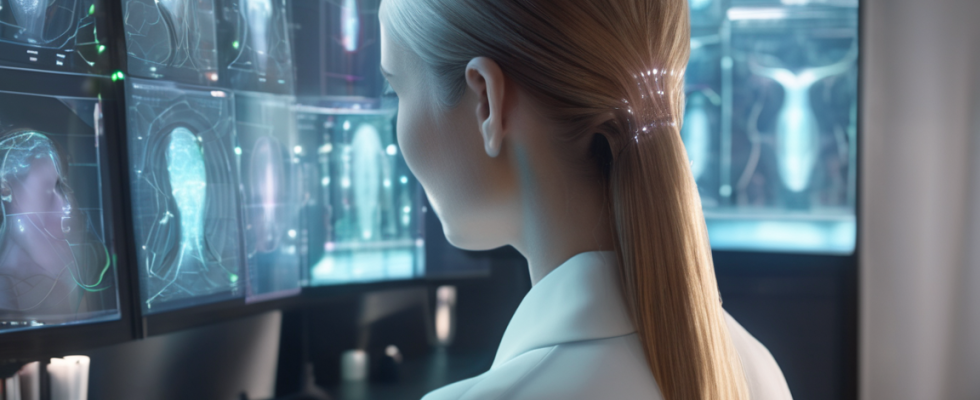
The hair care industry is experiencing a technological revolution, blending science and beauty to present innovative solutions for hair and scalp health. Among these cutting-edge developments are laser brushes and AI scalp analysis, promising to redefine our approach to hair care. This article explores these technologies, how they work, and their potential impact on hair care.
Advertisements
Understanding Laser Brushes
Laser brushes are a groundbreaking innovation designed to enhance hair health and stimulate growth. They operate on the principle of low-level laser therapy (LLLT), which involves using red light lasers to penetrate the scalp and hair follicles. This technology is not entirely new, as LLLT has been utilized in medical fields for its regenerative properties. However, its application in hair care is gaining momentum due to its promising results.
How Laser Brushes Work
Laser brushes typically use low-level lasers to stimulate blood flow and encourage cellular activity in hair follicles. This stimulation can lead to increased hair growth, thicker hair strands, and reduced hair loss. The red light emitted is absorbed by the scalp tissues, enhancing cellular repair and growth. This method is non-invasive, painless, and can be used conveniently at home, making it an attractive option for individuals experiencing hair thinning or loss.
Benefits and Considerations
The primary benefit of laser brushes is their potential to promote hair regrowth and improve hair density. While individual results may vary, many users report noticeable improvements after regular use. Furthermore, the convenience of using these devices at home adds to their appeal. However, it is essential to note that laser brushes may not be suitable for everyone. Consulting with a healthcare professional is recommended to ensure compatibility with personal hair and scalp conditions.
The Role of AI in Scalp Analysis
Artificial Intelligence (AI) is making significant strides in various industries, and hair care is no exception. AI-powered scalp analysis tools are transforming how professionals assess scalp and hair health, offering a more personalized approach to hair care.
How AI Scalp Analysis Works
AI scalp analysis tools utilize advanced algorithms and machine learning to evaluate hair and scalp conditions. These tools can analyze images of the scalp to determine hair texture, moisture levels, and overall scalp health. By assessing these factors, AI can provide insights into the most effective hair care treatments and products tailored to individual needs.
For instance, companies like L'Oréal and Schwarzkopf are developing AI-driven tools that offer precise diagnostics and treatment recommendations. This technology can detect early signs of scalp issues or hair damage, allowing for proactive and customized care strategies.
Advantages of AI in Hair Care
The integration of AI in hair care offers multiple advantages. Firstly, it increases diagnostic precision, allowing for more accurate assessments than traditional methods. This precision helps in identifying specific issues, such as scalp inflammation or hair damage, and suggests targeted treatments. Secondly, AI-driven recommendations enhance the effectiveness of hair care regimes by ensuring that products and treatments are well-suited to individual scalp conditions and hair types.
Moreover, AI tools can track changes over time, providing ongoing support and adapting recommendations as needed. This dynamic approach ensures that hair care strategies remain effective, even as conditions change.
Future Implications and Trends
The future of hair care will likely continue to be shaped by advancements in AI and laser technologies. As these tools become more sophisticated, they are expected to offer even more personalized and effective solutions. The potential for AI to integrate with other technologies, such as augmented reality for virtual hair consultations, is an exciting prospect for the industry.
Consumer Adaptation and Challenges
As with any technological advancement, consumer adaptation may present challenges. Educating the public on the benefits and uses of these technologies is crucial for widespread acceptance. Additionally, ensuring accessibility and affordability will play a significant role in how these innovations are adopted in the mainstream market.
Companies and professionals will need to address concerns related to privacy and data security, especially when dealing with AI analysis tools that collect personal information. Transparency in how data is used and stored will be vital in building consumer trust.
Conclusion
The integration of laser brushes and AI scalp analysis in hair care marks a significant leap forward in how we approach hair health. These technologies offer the promise of improved diagnostic precision, personalized treatments, and convenient solutions for hair and scalp issues. As the industry continues to evolve, the potential for further innovation is immense, paving the way for a future where hair care is not only more effective but also more tailored to individual needs. With ongoing advancements, the future of hair care is set to be as dynamic and diverse as the individuals it serves. The journey towards healthier, more vibrant hair is now more accessible than ever, thanks to these exciting technological developments.