

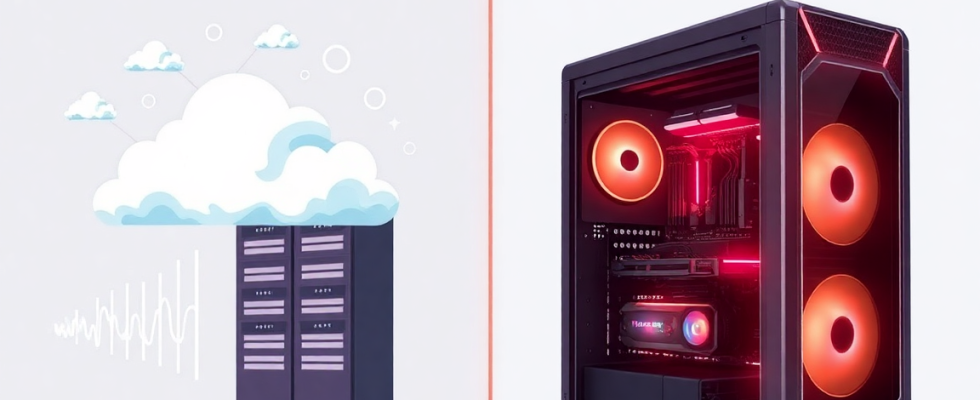
The gaming industry is at a pivotal point, where technological advancements are shaping how players interact with games. Two competing forces are at the forefront: cloud streaming and high-end hardware. Both offer unique advantages and challenges, sparking a debate about the future of gaming. This article explores the differences, advantages, and potential trends of these two gaming paradigms.
Advertisements
Cloud Streaming: A New Era of Accessibility
Cloud gaming, also known as game streaming, leverages powerful remote servers to render games and stream the video output to players' devices. This means that games can be played on less powerful hardware, as the heavy lifting is done remotely. Services like Nvidia's GeForce NOW and Google's Stadia exemplify this trend, providing gamers with access to high-quality gaming experiences without the need for expensive equipment.
Advantages of Cloud Gaming
One of the primary benefits of cloud gaming is accessibility. With cloud streaming, players can access a library of games on various devices, including smartphones, tablets, and low-spec computers. This flexibility allows for gaming on-the-go without the need for dedicated gaming consoles or PCs.
Furthermore, cloud gaming eliminates the need for frequent hardware upgrades. As games become more complex and demanding, players traditionally have to invest in new consoles or upgrade their PC components. Cloud gaming shifts this burden to the service provider, which ensures that games run on the latest hardware available in their data centers.
Another advantage is the potential for a more streamlined gaming experience. Without the need to download or install games, players can jump into their favorite titles instantly. This on-demand model mirrors the success seen in other entertainment industries, like streaming services for movies and music.
The Limitations of Cloud Gaming
Despite its advantages, cloud gaming faces significant challenges. A robust and consistent internet connection is vital for a seamless experience. Latency issues, where the delay between a player's input and the game's response can disrupt gameplay, remain a concern. In regions with poor internet infrastructure, cloud gaming may not be a viable option.
Moreover, ownership is a contentious topic. With cloud gaming, players do not own the games in the traditional sense, as they are streaming them from a server. This model can lead to concerns about the preservation of digital purchases and the availability of games if services shut down.
High-End Hardware: The Traditional Powerhouse
High-end gaming hardware, such as gaming PCs and next-gen consoles, continues to be a staple for enthusiasts seeking the best possible performance and visual fidelity. These systems offer unmatched power, capable of rendering games at high resolutions with advanced graphical features.
Advantages of High-End Hardware
Owning high-end hardware ensures that players have complete control over their gaming experience. They can customize and upgrade their systems to meet specific performance needs, ensuring compatibility with the latest game releases.
Additionally, high-end hardware often supports offline play, which is immune to internet connectivity issues that cloud gaming faces. This ensures a consistent gaming experience without the risk of lag or disconnection.
For many, the tactile satisfaction of owning a physical product, such as a console or gaming rig, remains a significant factor. This ownership extends to physical game copies, allowing players to build a tangible collection.
Limitations of High-End Hardware
The primary drawback of high-end hardware is the cost. Building or purchasing a top-tier gaming PC or console can be a significant financial investment. Moreover, as technology advances, hardware quickly becomes outdated, necessitating further investments to keep up with new game requirements.
Another limitation is the lack of portability. While portable consoles exist, they cannot match the performance of stationary high-end systems, restricting where and when games can be played.
The Future of Gaming: A Hybrid Approach?
As cloud gaming technologies improve and internet infrastructures advance, the lines between cloud streaming and high-end hardware may blur. A hybrid approach, where cloud services complement high-end systems, could become the norm. This would allow players to enjoy the benefits of both worlds — accessing games instantly on-the-go while maintaining the option to play on powerful hardware at home.
Trends to Watch
Several trends suggest a future where cloud and traditional gaming coexist:
Improved Internet Infrastructure: As more regions develop faster and more reliable internet, cloud gaming's appeal will grow, potentially reaching areas previously underserved by gaming hardware.
Cross-Platform Play: The increasing prevalence of cross-platform compatibility allows players to enjoy games with friends regardless of their hardware choice, bridging the gap between cloud and traditional gaming.
Subscription Models: Just as streaming services have transformed how media is consumed, gaming subscriptions could provide access to vast libraries of games across both cloud and hardware platforms.
Conclusion
The future of gaming is likely not an either-or scenario between cloud streaming and high-end hardware. Instead, each offers distinct advantages that can cater to different segments of the gaming community. As technology continues to evolve, players can look forward to a more versatile and inclusive gaming landscape, where accessibility and performance are harmoniously balanced. Whether through cloud streaming's convenience or high-end hardware's power, the future of gaming promises exciting possibilities for everyone.