

Introduction
The suit has long been a symbol of elegance, professionalism, and style in men's fashion. From its origins as formal wear in the 19th century to its current status as a versatile staple in men's wardrobes, the suit has undergone significant transformations. This article explores the evolution of the suit, focusing on post-workwear trends that have reshaped men's fashion in recent years. We will delve into how contemporary styles have emerged, reflecting cultural shifts and new sartorial preferences, while maintaining the timeless appeal of this iconic garment.
Advertisements
Historical Overview of the Suit
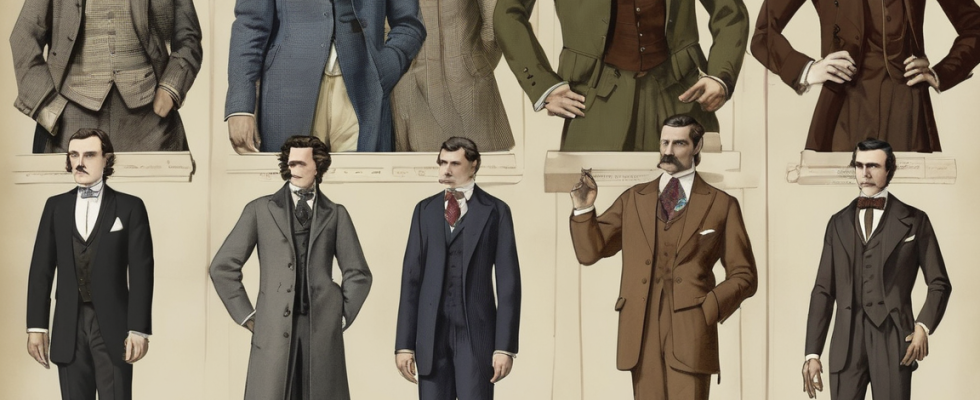
The suit, as we know it today, traces its origins back to the early 19th century. Initially, it was a symbol of aristocracy, characterized by tailored cuts and luxurious fabrics that set the wearer apart in society. The lounge suit, which eventually evolved into the business suit, became popular in the late 1800s. This style featured dark colors and conservative cuts, suitable for the professional environment and reflecting the societal norms of the time.
As we moved into the 20th century, the suit underwent numerous changes, adapting to the cultural and societal shifts of each era. The 1920s and 1930s saw the rise of the double-breasted suit, an embodiment of the jazz age's exuberance and the Great Depression's somber tones. The 1950s embraced slimmer cuts and narrower lapels, reflecting a post-war society seeking simplicity and modernity. The late 20th century introduced a more relaxed approach, with fashion-forward designers experimenting with innovative materials and designs, including bold patterns and unconventional colors, signaling a break from tradition.
The Modern Suit: Innovation and Versatility
In the 21st century, the suit has evolved beyond its traditional role as office attire. Today's men seek versatility in their clothing, and the modern suit caters to this demand. Designers have embraced slimmer, shorter jackets and higher buttoning points, creating a silhouette that is both contemporary and flattering. This evolution speaks to a broader desire for clothing that can adapt to various occasions and styles.
Casualization of the Suit
One of the most significant trends in recent years is the casualization of the suit. Men are increasingly opting for suits that can transition seamlessly from formal to casual settings. This trend is characterized by the use of lighter fabrics, such as cotton and linen, and the incorporation of patterns and colors that stray from the traditional black and navy. For instance, pastel shades and subtle checks have become popular choices for those seeking to make a statement without compromising on elegance.
The casual suit is often paired with less formal footwear, such as loafers or sneakers, further blurring the lines between formal and casual wear. This shift reflects a broader cultural movement toward comfort and individuality in fashion, where personal expression takes precedence over rigid dress codes.
Sustainable Fashion in Suits
As sustainability becomes a critical concern in the fashion industry, men's suits are also seeing eco-friendly innovations. Designers are incorporating sustainable materials like organic cotton, recycled wool, and even plant-based dyes. This trend not only appeals to environmentally conscious consumers but also aligns with the growing demand for transparency and ethical practices in fashion.
Brands such as Stella McCartney and Patagonia have pioneered sustainable fashion, influencing suit designers to adopt similar practices. This includes reducing waste in production processes and ensuring fair labor practices, which resonate with a new generation of consumers who prioritize ethical consumption.
The Rise of Made-to-Measure and Bespoke Suits
With advancements in technology, made-to-measure and bespoke suits have become more accessible to the general public. These options allow for a personalized fit, catering to individual body types and preferences. The rise of online platforms offering virtual fittings has further democratized access to custom tailoring, making it a popular choice for men seeking unique and perfectly fitted suits.
Brands like Indochino and Suitsupply have capitalized on this trend, offering consumers the opportunity to design their suits online, selecting everything from the fabric to the buttons. This level of customization was once reserved for the elite but is now available to a broader audience, highlighting the democratization of fashion.
Cultural Influences on Suit Trends
The evolution of the suit is also influenced by cultural factors. The rise of remote work, for instance, has altered dress codes, encouraging a shift toward more relaxed and adaptable clothing. In addition, the influence of global fashion trends, particularly from countries like Italy and Japan, has introduced new styles and cuts to the American market. These include the Italian penchant for vibrant colors and lightweight fabrics and the Japanese focus on minimalism and precision.
Celebrity Influence
Celebrities and public figures continue to play a significant role in shaping suit trends. Red carpet events and fashion weeks showcase innovative designs and unconventional styles, inspiring men to experiment with their suit choices. From bold colors to unique patterns, these influences encourage a departure from traditional norms, allowing men to express their individuality through fashion.
Icons like David Beckham and Pharrell Williams have been instrumental in promoting a modern, daring approach to suiting, often seen sporting suits with unexpected patterns or paired with casual elements. Their influence extends beyond fashion, shaping cultural perceptions of masculinity and style.
Conclusion
The evolution of the suit reflects broader changes in society and fashion, moving from a symbol of formality to a versatile and expressive garment. Today's suits cater to a wide range of preferences, from sustainable materials to custom fits and casual styles. As men continue to embrace new trends and cultural influences, the suit will undoubtedly evolve further, maintaining its status as a timeless piece in men's fashion.
In conclusion, the suit's transformation is a testament to its enduring appeal and adaptability. Whether for work, leisure, or special occasions, the modern suit offers endless possibilities for personal expression and style. As we look to the future, the suit will continue to evolve, influenced by technological advancements, cultural shifts, and the ever-changing landscape of fashion. This adaptability ensures its place as a cornerstone of men's wardrobes, a symbol of both tradition and innovation that can meet the demands of contemporary life.