

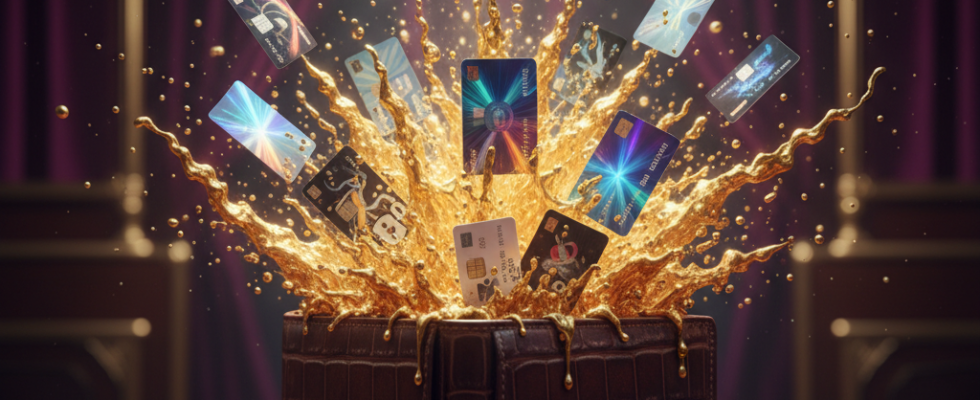
I left my wallet at home last Tuesday. Did not notice until bedtime. Bought coffee, took a taxi, paid for lunch, grabbed groceries, split dinner with a friend. All with my phone. All without a single moment of friction. Five years ago, that would have been a minor emergency. Now it barely registered as an inconvenience.
Advertisements
The physical wallet is becoming a ceremonial object. Something you carry out of habit rather than necessity. The transformation has been gradual enough that it sneaked past most people, but the numbers tell a clear story. Contactless payments now account for the majority of in-person transactions in most developed markets. Cash usage has dropped below ten percent in several countries. The infrastructure for a wallet-free life is not coming. It is here.
What pushed us past the tipping point was not technology alone. It was trust. People needed to feel confident that their phone could replace leather and plastic without leaving them stranded. Redundancy helped. Your payment credentials now live across your phone, your watch, your ring, and biometric backups that work even if every device dies simultaneously.
Central bank digital currencies are accelerating the shift further. Several nations have launched or are piloting government-backed digital money that exists natively in digital form rather than as a representation of physical bills in a bank account. The distinction is technical but the implication is cultural. Money is becoming purely informational.
For merchants, the benefits are immediate and practical. No cash handling, no counterfeit risk, no armored car pickups, no drawer counts at closing time. For consumers, the benefit is a life with less bulk in your pockets and more visibility into where your money actually goes.
There are legitimate concerns worth honoring. Privacy, surveillance, accessibility for elderly populations, and resilience during power outages all demand thoughtful solutions. A cashless society that leaves vulnerable people behind is not progress. It is negligence wearing a tech-forward costume.
But for most daily life in most urban environments, the wallet has already become optional. The leather bifold your grandfather carried is joining the Rolodex and the paper map. Not gone entirely, but no longer essential. The future of money is already in your pocket. It is just not in your wallet anymore.