

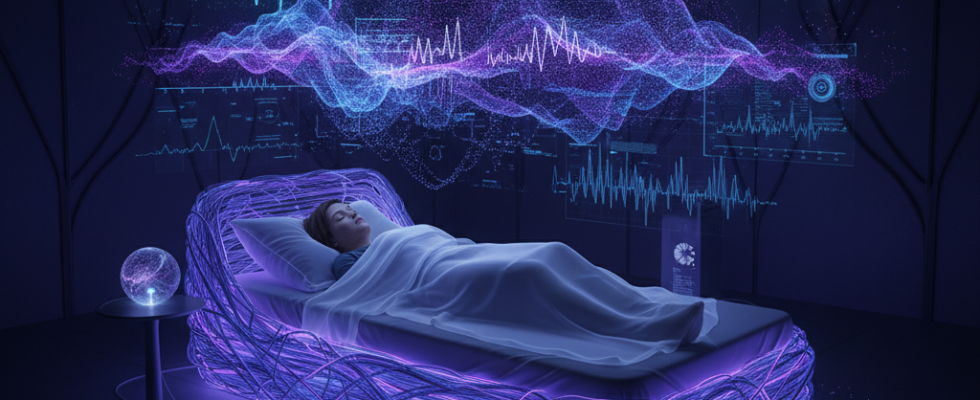
Twenty minutes. That is how much additional deep sleep the best sleep technology currently adds to an average night. It sounds modest until you understand what deep sleep actually does. It consolidates memory, repairs tissue, regulates hormones, and clears metabolic waste from the brain. Twenty extra minutes compounds over weeks into measurably better cognition, faster recovery, and more stable emotional regulation. The people using this technology are not sleeping more. They are sleeping better.
Advertisements
The technology works primarily through environmental optimization. Mattresses and pads that dynamically adjust temperature throughout the night, cooling during the initial sleep phase when core body temperature needs to drop, and warming slightly during REM cycles to prevent premature waking. The thermal regulation alone accounts for a significant portion of sleep quality improvement.
Sound plays a larger role than most people realize. Devices that emit precisely timed pink noise pulses synchronized to your brain wave patterns during deep sleep have been shown to extend that phase measurably. The noise is not loud enough to consciously perceive. It works at a neurological level, essentially encouraging your brain to stay in the restorative frequencies longer than it naturally would.
Light management extends beyond blackout curtains. Smart systems that simulate sunset light gradually before bed and sunrise light gradually before your alarm cue your circadian system without the jarring transition of sudden darkness or blaring alarms. Waking during light sleep rather than deep sleep is the difference between feeling rested and feeling like you were dragged from unconsciousness against your will.
Tracking is useful only if actionable. The current generation of sleep trackers has moved beyond simply reporting your sleep stages toward offering specific recommendations. If your deep sleep drops, the system might suggest earlier caffeine cutoffs, different room temperatures, or adjusted exercise timing. Data without prescription is just anxiety fuel.
The cultural shift matters as much as the technology. High performers used to brag about sleeping four hours. That era is ending as the evidence becomes undeniable that chronic sleep restriction destroys cognitive performance, creativity, and eventually physical health. Optimizing sleep is now understood as optimizing everything else by proxy.
You cannot hustle your way to health. But you can sleep your way to better performance, better mood, and a longer life. Twenty minutes of additional deep sleep, every night, for years. The compound interest on that investment is extraordinary.