

Introduction
In recent years, the fashion landscape has undergone a significant transformation. Once dominated by fast fashion, the industry is witnessing a shift as secondhand style goes premium through curated resale apps. These platforms are not only gaining traction but are also outselling traditional fast fashion retailers. This article explores the factors driving this trend, the role of curated resale apps, and the implications for the broader fashion industry.
Advertisements
The Rise of the Secondhand Market
The secondhand market is expanding at an unprecedented rate, outpacing the growth of the firsthand market by three times, according to recent studies. This surge can be attributed to several factors, including increased environmental awareness, economic considerations, and the evolving perception of clothing as a valuable asset rather than a disposable commodity.
Environmental and Economic Factors
One of the primary drivers behind the rise of the secondhand market is the growing concern over environmental sustainability. Fast fashion has long been criticized for its environmental impact, with its rapid production cycles and excessive waste. In contrast, secondhand shopping promotes a circular fashion economy, where items are reused and recirculated, reducing the overall carbon footprint.
Economic pressures also play a significant role in this shift. As consumers become more financially conscious, the appeal of purchasing high-quality, gently used items at a fraction of their original price has grown. This economic incentive, combined with the desire for unique and vintage pieces, makes secondhand shopping an attractive option.
The Role of Curated Resale Apps
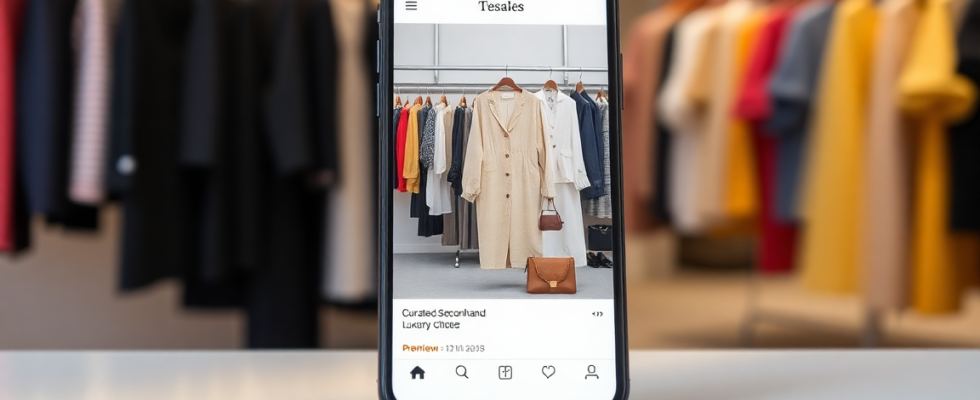
Curated resale apps have revolutionized the secondhand market by offering a seamless and curated shopping experience. Unlike traditional thrift stores, these platforms provide a more refined selection of items, often with a focus on luxury and designer brands. This curated approach not only enhances the shopping experience but also elevates the status of secondhand clothing.
Technology and User Experience
Technology plays a pivotal role in the success of these apps. With user-friendly interfaces and sophisticated algorithms, curated resale apps offer personalized recommendations, making it easier for consumers to find pieces that match their style preferences. Additionally, these platforms often include social features, allowing users to engage with each other and share their finds, creating a community around secondhand fashion.
The Notion of Luxury in Secondhand Fashion
Curated resale apps have redefined the notion of luxury within the fashion industry. By offering carefully selected items from high-end brands, these platforms challenge the traditional perception that luxury equates to newness. Consumers are increasingly recognizing the value of owning pre-loved luxury items, which often come with a unique history and character. This shift in perception is contributing to the premium status of secondhand fashion.
Implications for the Fashion Industry
The rise of curated resale apps and the premium status of secondhand fashion have significant implications for the broader fashion industry. Traditional fashion brands are being forced to reevaluate their strategies as they witness a growing portion of their market share being captured by these platforms.
Opportunities for Fashion Brands
Fashion and luxury brands have the opportunity to capitalize on the secondhand market by partnering with resale platforms or launching their own resale initiatives. By doing so, they can tap into a new customer base, extend the lifecycle of their products, and enhance their sustainability credentials. Brands that embrace this trend are likely to gain a competitive edge in an increasingly eco-conscious market.
Challenges and Considerations
While the secondhand market presents opportunities, it also poses challenges for traditional fashion retailers. The shift towards secondhand shopping could lead to reduced demand for new products, forcing brands to innovate and differentiate themselves in other ways. Additionally, the authenticity and quality control of secondhand items remain critical considerations for both consumers and brands.
Conclusion
The premiumization of secondhand style through curated resale apps marks a significant shift in the fashion industry. Driven by environmental awareness, economic factors, and evolving consumer perceptions, these platforms are reshaping the way people shop for and perceive clothing. As the secondhand market continues to grow, fashion brands must adapt to this changing landscape by embracing sustainability and exploring new business models.
In an era where clothing is increasingly seen as an asset rather than a disposable item, curated resale apps offer a sustainable and stylish solution that appeals to a wide range of consumers. As the industry moves forward, the success of these platforms serves as a testament to the changing values and priorities of today's fashion-conscious consumers.
By understanding and leveraging the dynamics of the secondhand market, both consumers and brands can contribute to a more sustainable and inclusive fashion future. As secondhand style continues to gain momentum, its premium status is set to redefine the fashion industry's landscape for years to come.