

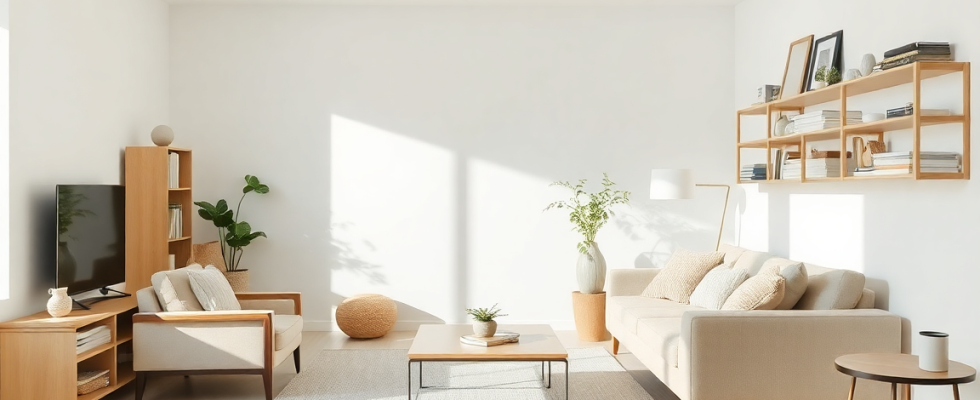
In today's fast-paced world, many individuals are turning to minimalist decor as a means to achieve mental clarity and peace. This design philosophy emphasizes simplicity and functionality, helping to create an environment that reduces stress and enhances well-being. Whether you're new to minimalism or looking to refine your space further, this article will guide you on how to declutter your home effectively, providing a path to a more serene lifestyle.
Advertisements
Understanding Minimalist Decor
Minimalist decor is not just about removing excess items from your home; it's about creating an environment that promotes calm and intention. This style is characterized by clean lines, a neutral color palette, and a focus on functionality. By reducing visual clutter, minimalist decor can significantly improve your mental clarity, allowing you to focus on what truly matters. Imagine walking into a room with just a few essential, beautiful items that resonate with you, rather than an overwhelming collection of possessions that don't hold personal significance.
The Psychological Benefits
The benefits of minimalist decor extend beyond aesthetics. According to mental health experts, decluttering can lead to improved mental health by reducing anxiety and depression. A clutter-free environment can help clear your mind, contributing to better focus and emotional balance. By embracing minimalist principles, you're not just transforming your physical space but also fostering a healthier mental state. Consider how a clean, orderly space can mirror a clear mind, helping you to prioritize tasks and improve productivity.
Steps to Declutter Your Home
Embarking on a journey towards a minimalist home can seem daunting, but by taking it step by step, you can make the process manageable and rewarding. Here's how to get started:
Start Small
Begin your decluttering process with small, manageable tasks. Take five minutes each day to tackle a specific area, such as a drawer or a shelf. This gradual approach prevents overwhelm and allows you to see immediate progress, boosting your motivation to continue. For instance, starting with your kitchen junk drawer can provide quick wins, building momentum to tackle larger projects.
One Room at a Time
Focus on decluttering one room at a time. This strategy helps maintain momentum and ensures that each space is thoroughly addressed. Start with the room that feels most critical to your mental peace—perhaps your bedroom or living room—and work your way through the rest of your home. A bedroom free of unnecessary items can promote better sleep, while a decluttered living room can become an inviting space for relaxation or socializing.
The Power of Stacking
When decluttering, gather all items of a similar type together. This method, known as stacking, helps you see exactly what you own and make informed decisions about what to keep. Only retain items that serve a purpose or bring you joy. For example, when decluttering your wardrobe, lay all your clothes out on the bed. This visual inventory can make it easier to identify duplicates or items you rarely wear, simplifying decisions about what to donate or keep.
Incorporating Minimalist Decor
Once you've decluttered, it's time to integrate minimalist decor elements into your home. Here are some tips to help you achieve a cohesive and calming aesthetic:
Choose a Neutral Palette
A neutral color palette is a hallmark of minimalist decor. Opt for whites, beiges, and grays to create a serene backdrop in your home. These colors not only enhance the sense of space but also promote a calming atmosphere. You might choose to paint your walls in a soft gray and complement it with beige or white furniture, creating a tranquil and cohesive look.
Embrace Functional Furniture
Select furniture that serves multiple purposes to maximize space and maintain order. Pieces such as storage ottomans, foldable desks, and modular sofas offer functionality without sacrificing style. Ensure each piece you select complements the overall simplicity of your minimalist theme. A modular sofa, for example, can be reconfigured to suit different seating needs, while a storage ottoman can provide a discreet place to keep extra blankets or magazines.
Limit Decorative Items
When it comes to decoration, less is more. Choose a few meaningful pieces that add character without cluttering the space. Thoughtful art, a simple vase, or a single sculpture can make a significant impact while maintaining a minimalist aesthetic. A carefully chosen piece of art can serve as a focal point, drawing attention and adding a personal touch to the room.
Maintaining a Minimalist Lifestyle
Adopting a minimalist decor is not a one-time event but an ongoing lifestyle choice. Here are some ways to maintain your new environment:
Regularly Reassess
Periodically evaluate your belongings to ensure they still serve a purpose or bring joy. This practice prevents the gradual accumulation of unnecessary items and keeps your home aligned with minimalist principles. Set a monthly or quarterly reminder to review each room, removing items that no longer serve you or have lost their meaning.
Embrace Mindful Consumption
Adopt a mindful approach to purchasing new items. Consider their necessity and impact on your space before bringing them into your home. This mindset not only supports your minimalist lifestyle but also promotes sustainability. Before buying, ask yourself if the item truly fulfills a need or if it adds genuine value to your life.
Create a Routine
Develop a routine to keep your home tidy and clutter-free. Simple habits, like tidying up before bed or dedicating time weekly to organize, can help maintain the tranquility of your minimalist space. Establishing a cleaning schedule can make it easier to keep on top of chores, ensuring your home remains a peaceful sanctuary.
Conclusion
Adopting minimalist decor is more than just a design choice—it's a lifestyle shift towards simplicity and intentionality. By decluttering your home, you create space for mental clarity and emotional well-being. As you embrace this journey, remember that minimalism is personal and can be tailored to fit your unique needs and preferences. Start small, be patient, and enjoy the profound impact this approach can have on your life and mind. Embrace the freedom that comes from letting go of excess and focus on the beauty of simplicity.