

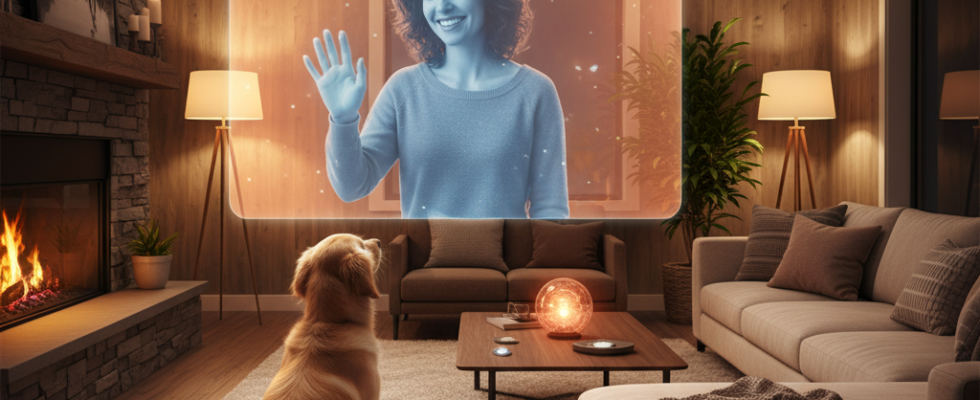
The camera caught him sitting by the door for forty-five minutes after I left. Just sitting, facing the door, waiting. Not whining. Not destructive. Just patiently certain that I would return any moment and settling into disappointment so quietly that without the camera I would never have known. That image changed how I think about what my dog experiences in my absence.
Advertisements
Pet technology has evolved from novelty treat-launchers into genuinely useful tools for understanding and addressing separation anxiety, boredom, and loneliness in animals. The cameras alone are revelatory. Most owners have no idea what their pets do all day because they have never had the ability to observe it. The data frequently contradicts our assumptions.
Two-way audio and video systems let you check in throughout the day with a presence that goes beyond surveillance. Some pets respond visibly to hearing their owner’s voice through a speaker. Others could not care less. Knowing which category your animal falls into helps you decide whether audio interaction is comforting or confusing for your specific pet.
Automated enrichment has gotten surprisingly sophisticated. Puzzle feeders that release treats on schedules or in response to interaction. Laser toys that activate when motion sensors detect pacing or restlessness. Scent diffusers that release calming pheromones when stress indicators are detected by environmental sensors. These systems address boredom proactively rather than leaving enrichment to chance.
The monitoring side has become genuinely diagnostic. Collars and home sensors that track activity levels, sleep patterns, and behavioral changes over time can detect health issues before clinical symptoms appear. A change in daily movement pattern might indicate pain. Altered sleep architecture might signal anxiety. The baseline data gives veterinarians information that was previously unavailable.
GPS and boundary systems have evolved beyond simple fences. Smart collars that learn your pet’s normal range and alert you to unusual patterns, that track them in real time if they wander, and that store location history for understanding territorial behavior provide peace of mind that extends beyond the home.
None of this technology replaces actual presence, physical affection, or quality time together. A camera is not a substitute for being home. But for the hours that modern life inevitably requires you to be elsewhere, knowing your pet is safe, stimulated, and not suffering in silence is a form of care that technology makes possible and love makes necessary.