

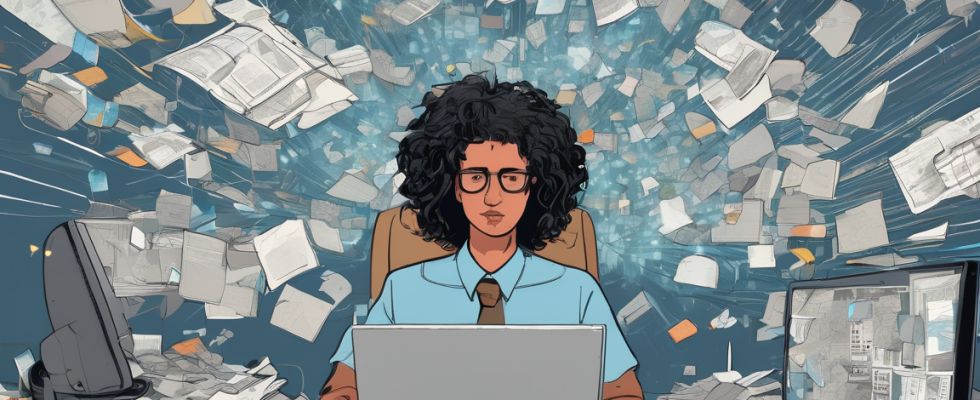
In today's digital age, the term "infobesity" has emerged to describe the overwhelming influx of information that many individuals face daily. With the constant stream of news and data, particularly in the workplace, managing this information overload has become a critical skill. This article aims to provide you with strategies to tackle infobesity effectively and maintain focus in a world saturated with digital content.
Advertisements
Understanding Infobesity
Infobesity, also known as information overload, refers to the state of being overwhelmed by the excessive amount of information available, particularly through digital channels. This phenomenon is exacerbated by the "always on" culture, where digital tools and technologies constantly feed us information. According to Teale, a major cause of infobesity at work is the ubiquitous use of digital tools that bombard employees with data, leading to reduced focus and productivity (Source: teale.io). Imagine receiving hundreds of emails daily, each demanding your attention and response, while simultaneously managing tasks, meetings, and other responsibilities.
The Impact of Infobesity in the Workplace
Infobesity can have significant implications for workplace productivity and employee well-being. LumApps highlights that this information overload can overwhelm employees, making it challenging to discern what is important and what is not (Source: lumapps.com). The constant barrage of emails, notifications, and updates can lead to stress and anxiety, ultimately affecting an individual's ability to concentrate and perform tasks efficiently. This stress can manifest in physical symptoms such as headaches and fatigue, further impairing work performance and reducing overall job satisfaction.
Warning Signs of Infobesity
Recognizing the warning signs of infobesity is the first step in managing it. These signs may include:
- Difficulty focusing on tasks: Finding it hard to concentrate because of constant interruptions from digital alerts.
- Increased stress and anxiety levels: Feeling perpetually behind due to the never-ending flow of information.
- A constant feeling of being overwhelmed: Experiencing a sense of drowning amidst the sea of emails, messages, and updates.
- Reduced productivity: Spending more time filtering through information than actually working on meaningful tasks.
- Procrastination and avoidance of tasks: Delaying responsibilities as a coping mechanism for the overwhelming information load.
By identifying these symptoms early, individuals can take proactive measures to mitigate the effects of infobesity.
Strategies to Manage Infobesity
Fortunately, there are several strategies that individuals and organizations can employ to combat infobesity. Here are some effective approaches:
1. Prioritization and Filtering
One of the most effective ways to manage infobesity is to prioritize and filter information. As suggested by Maria Espie Vidal, focusing on what truly matters can help reduce the noise and amplify the value of the information consumed (Source: mariaespievidal.com). This can be achieved by setting clear goals and objectives, which will guide the selection of information that is most relevant to your needs. For example, using tools like email filters and priority inbox settings can help ensure that only the most crucial messages demand your immediate attention.
2. Content Curation
Content curation involves selecting, organizing, and presenting information in a way that adds value. By curating content, individuals can focus on high-quality, relevant information while filtering out unnecessary noise. This approach not only reduces the burden of sifting through vast amounts of data but also enhances the quality of the information consumed. Employing tools like RSS feeds or content aggregation platforms can streamline the process of finding and accessing pertinent information.
3. Digital Detox
For some, a digital detox can be an effective method to combat infobesity. This involves taking a break from digital tools and platforms to reduce the constant influx of information. Talkspirit suggests that a digital detox can help fight against infobesity and the fear of missing out (FOMO) by creating intentional boundaries between digital and offline life (Source: talkspirit.com). Scheduling regular digital-free periods, such as no-screen weekends or device-free dinners, can significantly decrease the mental clutter caused by continuous digital engagement.
4. Entrenching New Habits
Establishing new habits is crucial to managing infobesity. This includes setting specific times for checking emails and notifications, designating periods for focused work without digital distractions, and making a conscious effort to disconnect from digital devices during personal time. As highlighted by SMH, tackling infobesity starts with entrenching new habits that help maintain a healthy balance between work and home life (Source: smh.com.au). Practicing mindfulness or engaging in regular physical activity can also serve as effective ways to clear the mind and reduce the impact of information overload.
5. Delegation and Collaboration
Delegation and collaboration can also play a vital role in managing infobesity. By distributing tasks and responsibilities among team members, individuals can reduce the burden of handling excessive information on their own. This approach not only fosters teamwork but also ensures that information is managed more efficiently and effectively. Encouraging open communication and regular check-ins within teams can help streamline information flow and prioritize tasks effectively.
Conclusion
Infobesity is a growing challenge in our digital world, impacting both personal and professional lives. By understanding the causes and effects of information overload, individuals and organizations can adopt strategies to manage it effectively. Prioritization, content curation, digital detox, habit formation, and delegation are all practical approaches to maintaining focus and productivity amidst the constant stream of news and data. By taking proactive steps to combat infobesity, we can navigate the digital landscape with greater ease and efficiency, ensuring that the information we consume is both meaningful and manageable. Let us embrace these strategies to reclaim our focus and enhance our well-being in an age of digital excess.