

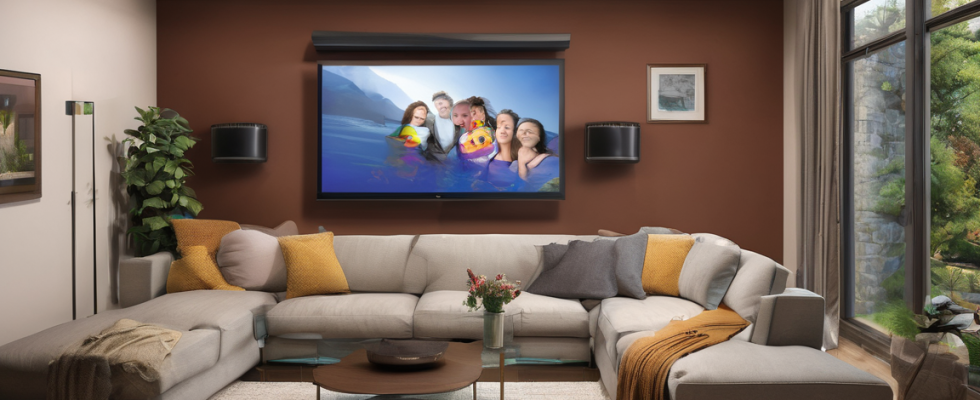
Creating a home theater can transform your living space into an entertainment hub, offering cinematic experiences in the comfort of your own home. However, many believe that a home theater requires a significant financial investment. Fortunately, building a home theater on a budget is achievable with some strategic planning and smart purchases. This article will guide you through creating an affordable yet high-quality home theater, integrating key components such as video, audio, and seating.
Advertisements
Setting Your Budget and Priorities
Before diving into the specifics of building your home theater, it's crucial to establish a clear budget. Setting a budget helps prioritize essential components and prevent overspending. Consider what elements are most important to you; for some, a high-quality visual experience may take precedence, while others might prioritize immersive audio. Start by listing the components required, including a display (TV or projector), audio system, seating, and additional accessories like cables and mounts.
Choosing the Right Display
The centerpiece of any home theater is the display. Depending on your budget and space, you can choose between a projector or a large flat-screen TV. If you're aiming for a cinematic experience, a projector might be the best option. Projectors offer larger screen sizes for a lower cost compared to TVs. However, ensure your room can accommodate a projector by having a suitable projection surface or screen and controlling ambient light.
If a TV is more appropriate for your space, look for a model that offers the best value for your budget. Consider factors such as screen size, resolution, and smart features. While 4K TVs are increasingly affordable, a 1080p model can still provide excellent picture quality at a lower price point.
Selecting an Audio System
Sound is a critical component of the home theater experience. While it might be tempting to purchase a soundbar for its simplicity, investing in a more comprehensive audio system can significantly enhance your setup. A budget-friendly option is to purchase a used AV receiver and speakers. This approach allows for surround sound capabilities, providing a more immersive experience than a soundbar.
Consider exploring second-hand markets, such as online marketplaces or local classifieds, to find quality speakers and receivers at reduced prices. Brands like Yamaha, Denon, and Sony offer reliable options that are often available second-hand.
Comfortable Seating Options
Comfortable seating is essential for enjoying long movie sessions. While high-end theater seating can be costly, there are budget-friendly alternatives. Modular sectional sofas, often available at retailers like Costco, provide flexibility and comfort without breaking the bank. Another option is to look for recliners or used theater seats through online classifieds or furniture outlets.
Optimizing Your Space
Transforming a room into a home theater involves more than just equipment. Consider the room's acoustics and lighting to maximize the viewing experience. Soundproofing the room can prevent external noises from disrupting your movies. Simple solutions like heavy curtains or acoustic panels can help manage sound within the space.
Managing lighting is equally important, as glare can diminish picture quality. Blackout curtains or blinds are cost-effective solutions to control ambient light. Additionally, using dimmable lights or smart lighting systems can enhance the atmosphere, allowing you to adjust the lighting to suit your viewing preferences.
Accessorizing Your Home Theater
Once the primary components are in place, consider adding accessories that enhance your theater’s functionality and aesthetics. Essential accessories include HDMI cables, surge protectors, and universal remote controls. A media streaming device, such as a Roku or Amazon Fire Stick, can expand your content options without a costly cable subscription.
Additionally, consider the aesthetic aspects of your home theater. Decorations like movie posters or themed wall art can personalize the space and create an authentic theater ambiance.
Tips for Staying Within Budget
Building a home theater on a budget requires resourcefulness and patience. Here are some additional tips to help you save:
- Research and Compare Prices: Before purchasing equipment, compare prices across different retailers and look for sales or discounts.
- Buy Used or Refurbished: Opting for used or refurbished items can save significant amounts without sacrificing quality.
- DIY Installation: If possible, handle installations yourself. There are numerous online resources and tutorials available to guide you through setting up your equipment.
- Prioritize Upgrades: If budget constraints limit your initial setup, prioritize essential components first and upgrade over time as your budget allows.
Conclusion
Building your own home theater on a budget is a rewarding project that enhances your home entertainment experience without requiring a substantial financial investment. By carefully planning your budget and prioritizing key components, you can create a space that offers immersive audio and visual experiences for family and friends. Whether you are watching the latest blockbuster or streaming your favorite series, a well-designed home theater will provide countless hours of enjoyment. With the right approach and a bit of creativity, your dream home theater is within reach.