

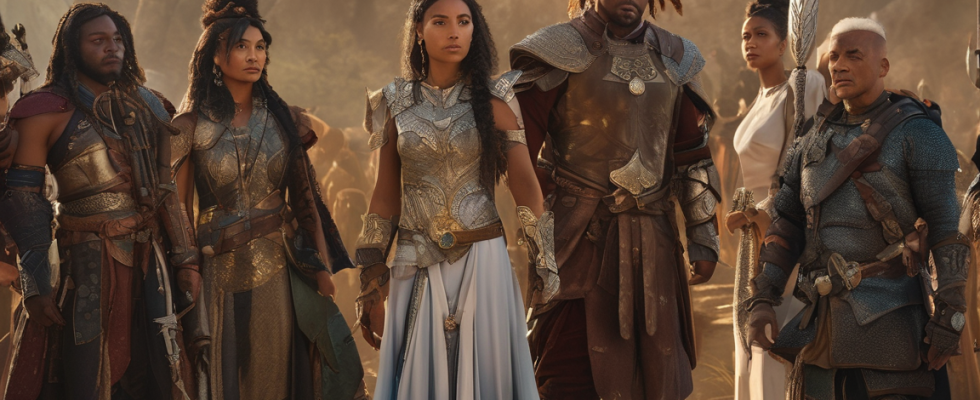
The fantasy genre has long been a captivating realm for audiences, offering escapism into worlds filled with magic, mythical creatures, and epic adventures. However, for many years, high-budget fantasy franchises have been criticized for lacking diversity in their casting and storytelling. This article explores how diversity is improving in these franchises and why it is essential for the future of the genre.
Advertisements
The Historical Lack of Diversity in Fantasy
Traditionally, fantasy narratives have been dominated by Western-centric storylines and predominantly white casts. This lack of diversity has been a point of contention, as it often fails to reflect the rich tapestry of global cultures and perspectives. According to a UCLA study, the absence of diversity in high-budget films correlates with lower box-office performance, indicating that audiences are increasingly seeking more inclusive storytelling.
In the past, studios have been hesitant to cast actors from diverse backgrounds in leading roles within big-budget fantasy films. This reluctance stems from a perceived risk associated with deviating from the 'proven' formula of using familiar faces. However, as societal values shift towards inclusivity, there is a growing demand for films that reflect a broader spectrum of human experiences.
The Rise of Inclusive Storytelling
Recent years have seen a significant push towards inclusivity in high-budget fantasy franchises. This shift is not only a response to audience demand but also an acknowledgment of the creative potential unlocked by diverse storytelling. By broadening the range of characters and narratives, writers can explore themes and emotions from multiple angles, enriching the storytelling experience.
One effective method for increasing diversity is by incorporating fantasy races and cultures based on less represented groups. This approach can introduce fresh perspectives and resonate with a wider audience. For example, the inclusion of characters from various cultural backgrounds can create a more relatable and immersive world, offering viewers a sense of belonging within the fantastical realms.
Successful Examples of Diversity in Fantasy
Several recent high-budget fantasy franchises have successfully embraced diversity, setting new standards for the genre. "Black Panther" is a notable example, as it not only achieved commercial success but also garnered critical acclaim for its portrayal of African culture and its predominantly Black cast. The film demonstrated that diverse representation could be both profitable and impactful, challenging the industry's traditional norms.
Similarly, the "Star Wars" franchise has made significant strides by introducing more diverse characters, such as Finn, played by John Boyega, and Rey, portrayed by Daisy Ridley. These characters have become iconic, proving that inclusive casting can capture the hearts of audiences worldwide. The franchise's commitment to diversity has reinvigorated its narrative, attracting new fans who see themselves reflected on screen.
The Impact of Diversity on Storytelling
Diverse fantasy is not just about representation; it enhances the depth and quality of storytelling. By incorporating characters from various backgrounds, writers can address complex issues and universal themes more effectively. Diverse perspectives allow for a richer exploration of identity, power dynamics, and cultural intersections, making the narrative more compelling and resonant.
Moreover, diversity in fantasy can challenge stereotypes and broaden the audience's understanding of different cultures and experiences. It encourages empathy and promotes a more inclusive worldview, aligning with the educative potential of storytelling. As fantasy franchises embrace diversity, they have the opportunity to influence societal perceptions positively.
Challenges and Opportunities
While progress is being made, the journey toward full inclusivity in high-budget fantasy franchises is ongoing. Studios must overcome several challenges, including the need to balance commercial interests with artistic integrity. There is also the challenge of ensuring authentic representation, which requires engaging with diverse creators and consultants who can provide genuine insights into minority cultures.
Despite these challenges, the opportunities for growth are immense. By prioritizing diversity, studios can tap into a broader audience base, enhancing both the financial and cultural value of their projects. Inclusivity in fantasy does not dilute the genre's appeal; instead, it amplifies it by offering a more comprehensive range of stories that resonate with a global audience.
Conclusion
The improvement of diversity in high-budget fantasy franchises represents a critical evolution for the genre. As audiences increasingly demand representation that reflects the world's diversity, studios are beginning to recognize the value of inclusive storytelling. By embracing a broader spectrum of characters and narratives, fantasy franchises can not only achieve commercial success but also contribute to a more inclusive and empathetic society.
Diversity in fantasy is a powerful tool that enriches the narrative, challenges stereotypes, and fosters cultural understanding. As the genre continues to evolve, it is poised to become a leader in promoting inclusivity, setting a benchmark for other film genres to follow. The future of fantasy is bright and diverse, promising a new era of storytelling that celebrates the rich mosaic of human experience.