

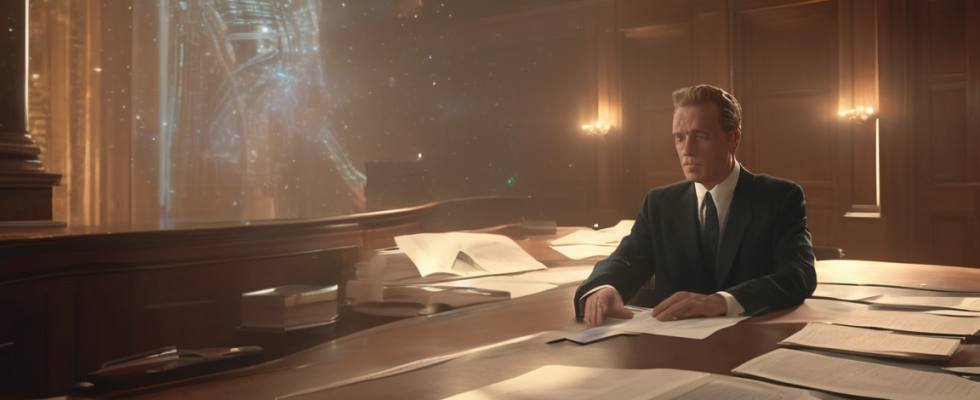
In recent years, advancements in artificial intelligence (AI) have sparked a fascinating yet controversial trend in the film industry: the digital resurrection of deceased Hollywood stars. This technology, while revolutionary, has ignited a significant legal debate surrounding intellectual property rights, ethical considerations, and the future of film. In this article, we will explore how AI is being used to bring back iconic actors, examine the legal implications, and delve into the ongoing debate about the morality of this practice.
Advertisements
The Rise of AI in Hollywood
Artificial intelligence has become a transformative force in various industries, and Hollywood is no exception. One of the most notable uses of AI in the film industry is the creation of digital avatars of deceased actors. This technology allows filmmakers to recreate the likeness and voice of iconic stars, offering audiences a chance to see their favorite actors in new roles long after their deaths. A prominent example is the planned digital resurrection of James Dean in the upcoming film "Back to Eden," where AI will generate a virtual performance that blends the actor's past works with new material.
The process involves using machine learning algorithms to analyze footage, photographs, and audio recordings of the actor. This data is then used to create a highly realistic digital replica that can perform in films. While this technology opens new creative possibilities, it raises questions about the authenticity of art and the intent behind reviving deceased actors.
Legal Implications of Digital Resurrection
The use of AI to resurrect Hollywood stars has prompted a complex legal debate. One of the primary concerns is the issue of intellectual property rights. Who owns the rights to a deceased actor's image and likeness? Traditionally, these rights have been controlled by the actor's estate or heirs. However, as AI technology evolves, the boundaries of these rights are being tested.
In 2023, the actors' union successfully negotiated a law stipulating that deceased actors can only be digitally resurrected with explicit permission from their estates. This legislation was part of a broader effort to protect actors' rights and ensure that their likenesses are not exploited without consent. However, even with legal safeguards, the enforcement of these rights remains challenging, particularly as AI-generated content becomes increasingly sophisticated.
Another legal consideration is the potential for defamation and misrepresentation. If a digitally resurrected actor is portrayed in a manner that contradicts their values or personality, it could lead to lawsuits from the actor's family or estate. Thus, filmmakers must tread carefully to ensure that their use of AI respects the legacy of the actors they are resurrecting.
Ethical Considerations
Beyond the legal aspects, the digital resurrection of Hollywood stars raises significant ethical questions. One major concern is whether it is morally acceptable to use technology to revive someone who cannot consent to the use of their likeness. Critics argue that this practice disrespects the autonomy and legacy of deceased individuals, reducing them to mere tools for profit.
Moreover, there is a fear that the widespread use of AI could diminish the role of living actors. If studios can easily recreate beloved stars from the past, there may be less incentive to invest in new talent. This could lead to a homogenization of film content, where audiences are continually presented with familiar faces rather than fresh and diverse perspectives.
On the other hand, proponents of digital resurrection argue that it can be a powerful tribute to legendary actors, allowing new generations to experience their talent. They contend that, with appropriate consent and ethical guidelines, AI has the potential to enhance storytelling and preserve cultural heritage.
The Future of Film and AI
As AI technology continues to advance, its impact on the film industry will undoubtedly grow. The digital resurrection of Hollywood stars is just one facet of a broader trend that includes AI-driven scriptwriting, special effects, and even directing. This technological evolution promises to revolutionize filmmaking, offering unprecedented creative possibilities.
However, it is crucial for industry stakeholders to navigate the legal and ethical challenges that come with these advancements. Establishing clear guidelines and obtaining proper consent are essential steps to ensure that AI is used responsibly and respectfully. Additionally, ongoing discussions among filmmakers, legal experts, and the public will play a vital role in shaping the future of AI in Hollywood.
Conclusion
The digital resurrection of deceased Hollywood stars through AI technology is a fascinating development that raises important questions about creativity, legality, and ethics. While this practice offers exciting possibilities for filmmakers and audiences alike, it also necessitates careful consideration of the rights and legacies of the individuals involved. As the debate continues, it is imperative that the film industry strikes a balance between innovation and respect, ensuring that the use of AI enriches, rather than exploits, the art of cinema. As we move forward, the conversation around AI and digital resurrection will undoubtedly shape the future of storytelling in Hollywood, challenging us to redefine the boundaries of creativity and legacy.