

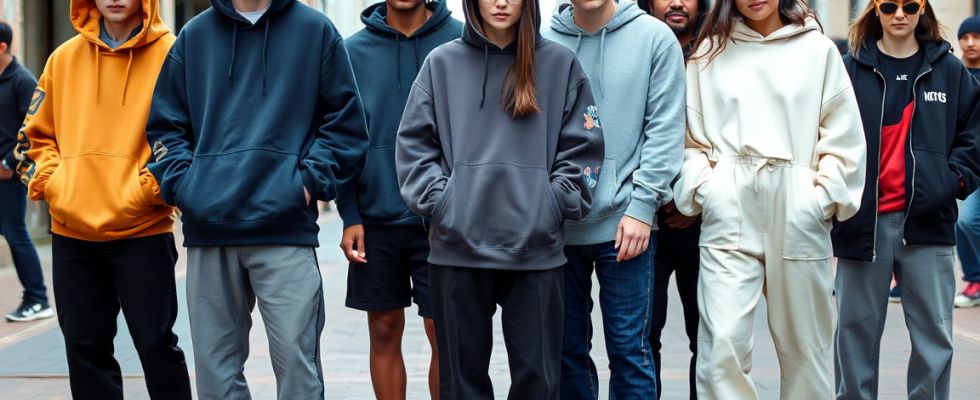
In recent years, the fashion industry has witnessed a transformative shift towards inclusivity and diversity. At the forefront of this movement is the rise of gender-fluid tailoring, particularly within the realm of streetwear. This style evolution is not merely a trend but a cultural shift that is redefining traditional fashion norms and breaking down the rigid boundaries of masculine and feminine aesthetics. This article explores how streetwear is leading the charge in gender-fluid fashion, challenging old fashion rules, and paving the way for a more inclusive future.
Advertisements
The Evolution of Streetwear
Streetwear has always been a dynamic and evolving segment of the fashion industry. Originating from urban environments, it reflects the cultural melting pot of the streets and is heavily influenced by music, art, and social movements. Traditionally seen as a masculine domain, streetwear is undergoing a significant transformation. According to experts, the future of streetwear is increasingly gender-fluid, as a more diverse range of designers enter the scene. This influx of new perspectives is crucial in dismantling outdated gender norms entrenched in fashion.
Blurring the Lines: Masculine and Feminine Aesthetics
One of the most compelling aspects of streetwear is its ability to blur the lines between masculine and feminine aesthetics. This fusion is achieved through the use of oversized silhouettes, unconventional pairings, and bold graphics that defy gender-specific designations. The blending of these elements creates a fashion language that speaks to individuality and self-expression, rather than conformity to traditional gender roles.
The ability of streetwear to transcend gender binaries is a testament to its power in shaping modern fashion. By mixing traditionally masculine and feminine styles, streetwear challenges the notion that clothing must be strictly categorized. It opens up a creative space where individuals can express their identities freely, without being confined by societal expectations.
Gender-Fluid Fashion: A Repackaging of Male Styles?
Despite the progress made in gender-fluid fashion, there remains an ongoing debate about whether it simply repackages male styles. Research indicates that many gender-fluid products still feature masculine markers, suggesting that even inclusive trends can reflect old stereotypes. This highlights the need for a more nuanced approach to design that truly embodies gender neutrality.
Designers are increasingly aware of these challenges and are striving to create garments that do not default to masculine aesthetics. By incorporating softer fabrics, diverse color palettes, and tailored fits, they are crafting pieces that appeal to a wider audience and challenge conventional gender norms.
Breaking Stereotypes in Design
The move towards gender fluidity in fashion represents a departure from the rigid, binary definitions of clothing. It encourages designers to rethink their approach and embrace creativity without limitations. This shift is not only evident in streetwear but across the broader fashion landscape, where brands are beginning to question long-standing stereotypes.
Streetwear brands are at the forefront of this revolution, using their platforms to champion inclusivity and diversity. By collaborating with diverse designers and promoting gender-fluid collections, they are setting new standards for what fashion can be. This progressive approach is reshaping consumer perceptions and encouraging individuals to explore their personal style without fear of judgment.
The Real Impact of Gender-Fluid Fashion
The impact of gender-fluid fashion extends beyond the clothes themselves. It represents a broader cultural movement towards acceptance and understanding of diverse identities. As public figures like Jaden Smith and influential brands such as Art School embrace gender-fluidity, they challenge societal norms and inspire others to do the same.
The rise of gender-fluid streetwear has significant implications for the fashion industry as a whole. It compels brands to reconsider their target demographics, marketing strategies, and product offerings. By embracing inclusivity, the fashion industry can tap into a wider consumer base and foster a more equitable environment for all.
Conclusion
Gender-fluid tailoring, particularly within streetwear, is breaking down old fashion rules and challenging the status quo. By embracing a more inclusive approach, streetwear is redefining the boundaries of masculine and feminine aesthetics, encouraging self-expression, and promoting diversity. This cultural shift is not just a fleeting trend but a reflection of a society that values individuality and inclusivity.
As the fashion industry continues to evolve, it is essential for brands and designers to embrace these changes and contribute to a more equitable and inclusive future. By doing so, they can help dismantle outdated stereotypes and pave the way for a fashion landscape that celebrates all identities. In this transformative era, streetwear stands as a powerful symbol of change, leading the charge in creating a world where fashion knows no boundaries.