

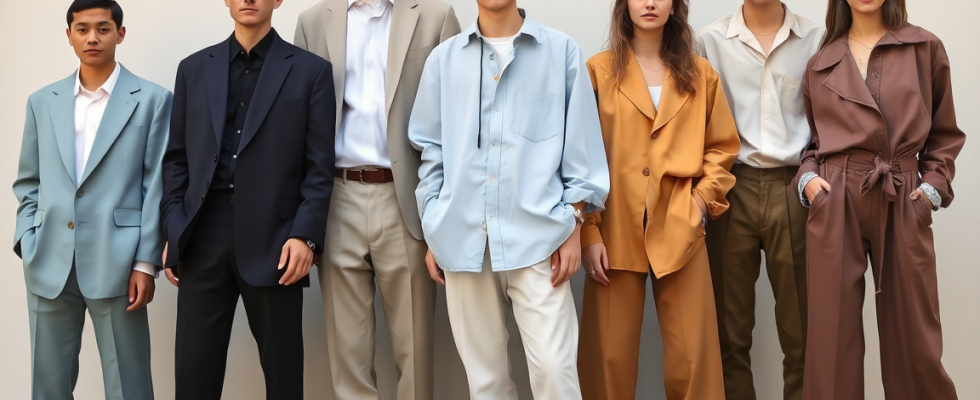
In recent years, gender-fluid fashion has emerged as a revolutionary trend, challenging traditional norms and reshaping the landscape of streetwear. This movement transcends the constraints of the gender binary, offering a diverse array of style choices that empower individuals to express themselves freely. This article aims to explore the rise of gender-fluid fashion, its impact on streetwear, and the broader cultural implications of this shift.
Advertisements
The Rise of Gender-Fluid Fashion
Gender-fluid fashion is a dynamic approach to clothing that disregards traditional gender distinctions. Instead of categorizing apparel as strictly masculine or feminine, this trend embraces androgyny and versatility. According to the Times of India, items such as tailored suits, oversized shirts, and fluid trousers serve as quintessential examples of this trend, blurring the lines between menswear and womenswear.
This movement is not just about aesthetics; it's about freedom and self-expression. As noted by Anuprerna, gender-fluid fashion allows individuals to choose what they wear based on personal preference rather than societal expectations. One day, a person might opt for traditionally masculine attire, and the next, they might select elements considered feminine, or even blend the two. This flexibility is at the heart of the gender-fluid fashion movement.
Breaking Stereotypes in Fashion Design
The concept of gender fluidity in fashion represents a significant departure from conventional design stereotypes. Traditionally, clothing has been categorized into rigid, binary definitions—either masculine or feminine. However, as highlighted by the International Journal of Recent Psychological Research, gender-fluid fashion opens up a creative space where designers can experiment without the constraints of these binary definitions.
This creative freedom has led to innovative designs that appeal to a broader audience. Brands are increasingly embracing this trend, offering collections that feature gender-diverse expressions. For example, The Loop reports that some brands are now catering to non-binary and traditionally masculine physiques, reflecting a more inclusive approach to fashion design.
Streetwear's Role in the Gender-Fluid Movement
Streetwear, a genre of fashion that originated from urban culture, has played a pivotal role in the rise of gender-fluid fashion. Known for its casual and comfortable aesthetic, streetwear provides an ideal canvas for experimenting with non-binary fashion. According to CNBC, retailers are taking cues from streetwear brands like Off-White, Supreme, and Bape, which are known for their inclusive designs that appeal to a wide demographic.
These brands have successfully integrated gender-fluid elements into their collections, offering pieces that can be worn by anyone, regardless of gender identity. This inclusivity is not only a reflection of changing consumer preferences but also a response to the growing demand for fashion that transcends traditional gender norms.
Cultural Implications of Gender-Fluid Fashion
The rise of gender-fluid fashion has profound cultural implications. By challenging the binary framework that has long dominated the fashion industry, this movement encourages a more inclusive and accepting society. It empowers individuals to express their identities authentically and fosters a sense of community among those who have felt marginalized by traditional fashion norms.
Moreover, as gender-fluid fashion gains popularity, it is influencing mainstream media and popular culture. Celebrities and influencers are increasingly embracing this trend, showcasing gender-fluid pieces on social media and red carpets. This visibility helps to normalize gender fluidity, promoting acceptance and understanding across different cultural contexts.
Challenges and Future Directions
Despite its growing popularity, gender-fluid fashion faces several challenges. One of the main obstacles is the limited availability of gender-neutral clothing options in mainstream retail. While some brands have embraced the trend, many others have yet to fully commit to offering diverse, inclusive collections.
Additionally, there is a need for greater representation of diverse body types and identities within the fashion industry. As gender-fluid fashion continues to evolve, it is crucial for brands to prioritize inclusivity and diversity in their designs and marketing strategies.
Looking ahead, the future of gender-fluid fashion appears promising. As societal attitudes towards gender continue to shift, the demand for inclusive fashion is likely to increase. By continuing to innovate and challenge traditional norms, the fashion industry has the potential to lead the way in promoting a more inclusive and equitable society.
Conclusion
Gender-fluid fashion is more than just a trend; it is a cultural movement that is reshaping the fashion industry and challenging societal norms. By breaking down the binary barriers that have long defined clothing, gender-fluid fashion offers individuals the freedom to express their identities authentically. Streetwear, with its inherent flexibility and inclusivity, has been at the forefront of this movement, paving the way for a more diverse and accepting fashion landscape.
As the popularity of gender-fluid fashion continues to grow, it is essential for the industry to embrace this change and prioritize inclusivity and diversity in all aspects of design and marketing. By doing so, fashion can serve as a powerful catalyst for social change, encouraging acceptance and understanding across different cultures and communities. The future of fashion is gender-fluid, and it promises to be a more inclusive and exciting era for all.