

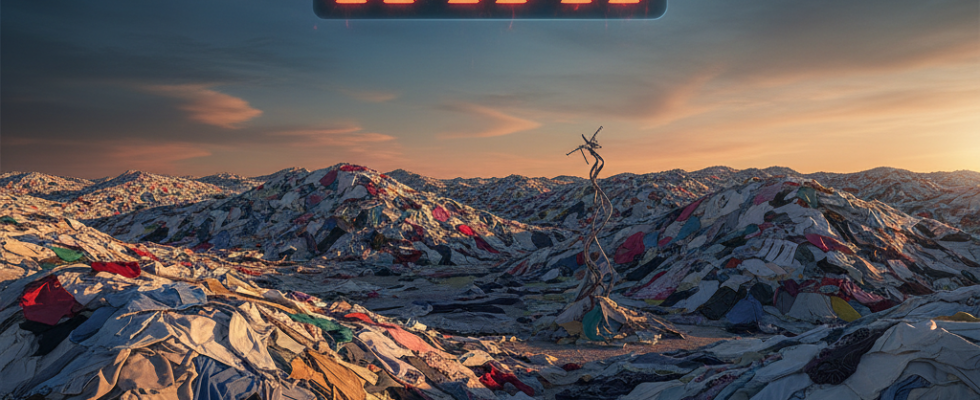
The pile is visible from space. Not metaphorically. Satellite imagery can identify the textile dumping grounds in the Atacama Desert where unsold and discarded fast fashion goes to die. Mountains of polyester, nylon, and blended fabrics that will not decompose for centuries, sitting in one of the driest places on earth because that is where the global supply chain decided to put its garbage.
Advertisements
The scale is difficult to comprehend. The fashion industry produces approximately one hundred billion garments annually for a global population of eight billion people. The math alone reveals the absurdity. Twelve pieces per person per year assumes universal consumption, which does not exist. The surplus is not an accident. It is the business model. Overproduction at low cost, sell what you can, discard what you cannot.
What happens after the donation bin is the story most consumers never see. A fraction of donated clothing is actually resold domestically. The majority is baled, shipped to developing nations, and sold in secondary markets that have devastated local textile industries. What cannot be sold there enters landfills or open dumps in countries with less regulatory oversight. Your charitable donation often becomes someone else’s environmental crisis.
The chemical dimension compounds the physical waste problem. Synthetic fabrics shed microplastics throughout their lifetime but concentrate their toxic load when they decompose. Dyes, finishing chemicals, and flame retardants leach into soil and water systems from textile waste sites. The garment that cost five dollars to buy generates environmental remediation costs that dwarf its original retail price.
Consumer behavior enables the system but consumers alone cannot fix it. The industry argument that demand drives supply conveniently ignores that demand is manufactured through artificial trend cycles, planned obsolescence, and marketing budgets that dwarf public awareness campaigns. People buy fast fashion because it is available, affordable, and marketed aggressively. The system was designed to produce exactly the behavior it produces.
Regulation is beginning to address the structural problem. Extended producer responsibility laws that make brands financially accountable for the end-of-life management of their products are gaining traction globally. When the cost of disposal is included in the cost of production, the economics of overproduction change fundamentally.
Individual action still matters within this structural reality. Buying fewer, better things and wearing them longer remains the most impactful consumer choice. Repairing rather than replacing. Choosing natural fibers that biodegrade. Supporting brands that produce responsibly even when they cost more. Each choice is small. Collectively, they reshape demand in ways the industry must eventually follow. The desert did not fill itself. And it will not empty itself either.