

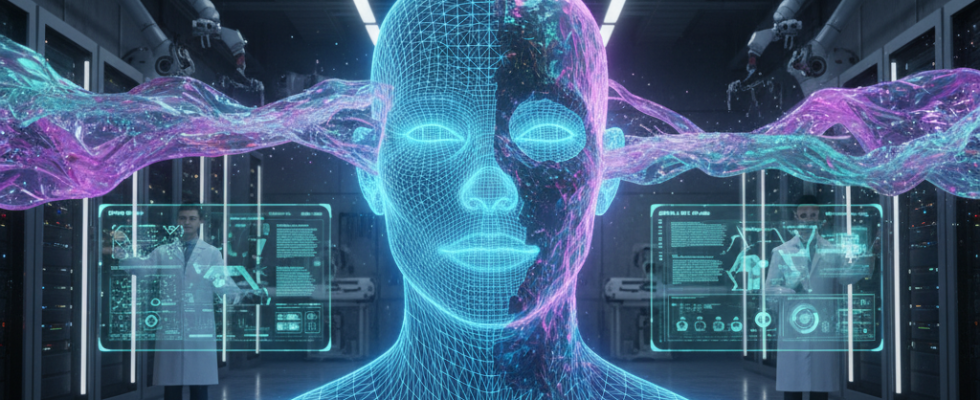
The actor on screen delivered a performance that critics called “career-best work.” The emotion was raw, the timing impeccable, the physical presence commanding. The actor has been dead for three years. The performance was generated entirely by artificial intelligence trained on decades of their existing work, and the ethical earthquake this represents is only beginning to be felt.
Advertisements
Digital actor technology has crossed a threshold that most people did not expect for another decade. The current generation does not simply paste faces onto body doubles. It generates performances. Micro-expressions, vocal inflections, the subtle weight shifts that communicate internal emotion, all synthesized from pattern recognition applied to an actor’s lifetime of recorded work.
The legal frameworks are scrambling to catch up. Estate rights, likeness ownership, consent across death, and the definition of performance itself are all being litigated in real time. Can an actor’s estate authorize new performances? Can a studio that owns enough footage generate content without permission? Does a synthesized performance constitute original work or derivative work? These questions have no settled answers.
Living actors face different but equally complex questions. Several have licensed their digital likenesses for use in projects they will never physically appear in. The financial model is attractive: earn residuals from performances that require no time on set. But the artistic implications trouble many. When your likeness can perform without your creative involvement, what remains of the craft?
The uncanny valley has not been eliminated but it has been dramatically narrowed. Current technology produces results that pass casual viewing without triggering discomfort. Close examination still reveals subtle inconsistencies, particularly around eye moisture, skin translucency under varied lighting, and the micro-movements that occur between deliberate expressions. But the gap is closing rapidly.
Directors working with digital actors describe a fundamentally different creative process. The ability to direct infinite takes, to adjust emotional intensity after filming, and to composite the best micro-elements of multiple performances into a single shot offers control that physical filmmaking cannot provide. Whether that control produces better art is a question without consensus.
The philosophical core of this debate is deceptively simple. Is acting a physical practice that requires a living body, or is it a pattern that can be extracted and reproduced? The technology says the latter. Actors, understandably, insist on the former. Audiences, ultimately, will decide with their attention and their money. And so far, they are watching.