

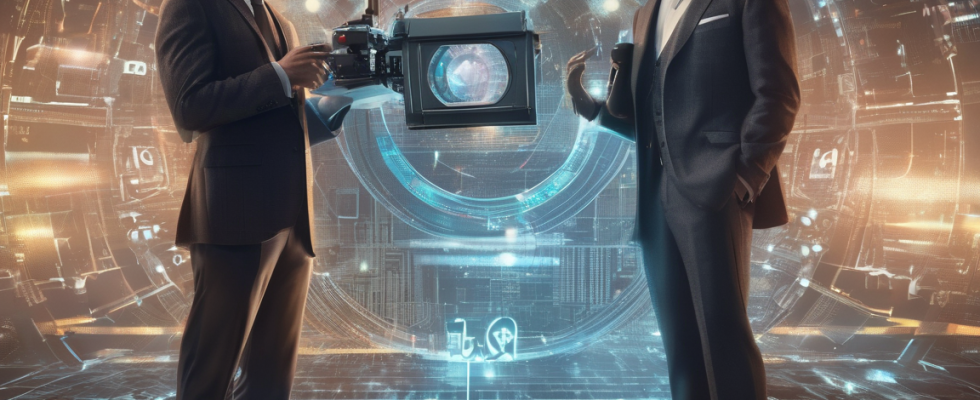
The rise of artificial intelligence (AI) has brought forth a myriad of technological advancements, one of which is the creation of "digital doubles" through deepfake technology. This innovation has sparked significant debate within Hollywood, dividing industry professionals over the ethical and practical implications of using AI-generated replicas of actors. As the technology continues to evolve, it is crucial to understand why Hollywood is torn over digital doubles and what this means for the future of the entertainment industry.
Advertisements
Understanding Deepfake Technology
Deepfake technology utilizes advanced AI algorithms to create hyper-realistic digital representations of individuals. By analyzing video footage and audio recordings, AI can generate a virtual likeness of a person, often indistinguishable from the real individual. This technology has been used to create digital doubles that can perform in movies, potentially replacing human actors.
The application of deepfake technology in Hollywood is not entirely new. For years, visual effects teams have used computer-generated imagery (CGI) to enhance or alter actors' appearances in films. However, the advancements in deepfake technology have made it possible to create entirely digital actors, raising questions about the authenticity and integrity of performances.
The Appeal of Digital Doubles
Proponents of digital doubles argue that this technology offers numerous benefits to the film industry. One of the most significant advantages is the ability to create content without the physical presence of actors. This can be particularly advantageous in situations where scheduling conflicts arise or when an actor is unable to perform due to health reasons.
Moreover, digital doubles can be used to de-age actors, allowing them to portray younger versions of themselves seamlessly. This opens up new possibilities for storytelling, enabling filmmakers to create narratives that span different time periods without the logistical challenges of casting multiple actors for the same role.
Additionally, digital doubles can help preserve the legacies of actors. By creating AI-generated replicas, studios could continue to produce films featuring beloved actors even after their passing. This concept has already been explored with posthumous performances in films like Star Wars: The Rise of Skywalker.
Ethical Concerns and Industry Resistance
Despite the potential benefits, the use of digital doubles raises significant ethical concerns. One of the primary issues is the question of consent. As deepfake technology becomes more sophisticated, the ability to create realistic digital replicas without the subject's explicit permission becomes a possibility. This raises concerns about the unauthorized use of an actor's likeness and the potential for exploitation.
Furthermore, there is a fear that the widespread adoption of digital doubles could lead to job losses within the industry. If studios opt to use AI-generated actors, it could reduce the demand for human performers, affecting not only actors but also the countless professionals who work alongside them, such as makeup artists, costume designers, and stunt performers.
The legal landscape surrounding deepfake technology is also a point of contention. As of now, there is limited legislation addressing the use of AI-generated content in film, leaving many questions unanswered regarding ownership, royalties, and intellectual property rights. This lack of regulatory framework has led to calls for clearer guidelines to protect both actors and studios.
The Role of Technology Companies
Technology companies like OpenAI and Google have been at the forefront of developing AI systems capable of creating digital doubles. These companies have advocated for access to copyrighted material to train their AI models, arguing that such access is crucial for the continued development of AI technology. However, this push for access has met resistance from filmmakers and content creators who are concerned about the potential misuse of their work.
The debate over digital doubles is not just a technological issue but also a cultural one. Hollywood has long been a bastion of creativity and human expression, and the introduction of AI-generated actors challenges the traditional norms of the industry. As a result, many filmmakers are wary of embracing this technology without a thorough examination of its implications.
Balancing Innovation and Tradition
As Hollywood grapples with the implications of deepfake technology, there is an ongoing discussion about how to balance innovation with tradition. While digital doubles offer exciting possibilities for filmmaking, it is essential to ensure that the technology is used responsibly and ethically.
Some industry experts suggest that rather than completely replacing human actors, digital doubles should be used as tools to enhance performances. By combining the talents of real actors with AI technology, filmmakers can create richer, more immersive experiences for audiences.
Moreover, there is a growing call for collaboration between technology companies and the entertainment industry to establish ethical standards and best practices for the use of AI-generated content. By working together, these sectors can find ways to harness the potential of deepfake technology while safeguarding the interests of all stakeholders involved.
Conclusion
The debate over digital doubles in Hollywood reflects broader societal questions about the role of AI in our lives. As the technology continues to evolve, it is crucial for the film industry to navigate the challenges and opportunities it presents thoughtfully. By fostering a dialogue between creatives, technologists, and policymakers, Hollywood can ensure that the use of deepfake technology aligns with ethical principles and continues to contribute to the art of storytelling. While the industry remains divided, the potential for innovation and creativity remains boundless, offering a glimpse into the future of filmmaking.