

In recent years, the concept of Blue Zones has captured the interest of health enthusiasts and longevity seekers worldwide. These regions, identified as having the highest concentration of centenarians, offer valuable insights into lifestyles that promote long life. The good news is that you don’t have to relocate to benefit from these longevity secrets. By adopting some key habits at home, Americans can integrate Blue Zone principles into their daily lives to improve health and potentially extend longevity.
Advertisements
Understanding Blue Zones
Blue Zones are specific areas where people consistently live longer and healthier lives. These regions include Okinawa in Japan, Sardinia in Italy, Nicoya Peninsula in Costa Rica, Ikaria in Greece, and Loma Linda in California. Researchers have studied these areas to understand the common factors that contribute to the residents' impressive longevity. The findings reveal that lifestyle and environment play a crucial role in fostering long life, rather than genetics alone.
Key Habits from Blue Zones
Plant-Based Diets
One of the most common factors across all Blue Zones is a predominantly plant-based diet. Residents consume a rich variety of vegetables, fruits, legumes, and whole grains. Meat is eaten sparingly, typically reserved for special occasions. By focusing on plant-based meals at home, Americans can tap into the nutritional benefits that contribute to long life. Incorporating more beans, nuts, and seeds into your diet can provide essential nutrients and promote heart health.
Regular Physical Activity
In Blue Zones, physical activity is naturally integrated into daily life. Instead of structured exercise routines, residents engage in activities like gardening, walking, and manual tasks. This consistent, moderate physical activity supports cardiovascular health and maintains mobility into old age. Americans can emulate this by incorporating more movement into everyday routines, such as opting for stairs instead of elevators, walking or biking to nearby destinations, and engaging in hobbies that require physical exertion.
Social Connections
Strong social networks are a hallmark of Blue Zone communities. Regular interactions with family, friends, and neighbors provide emotional support and reduce stress, contributing to longevity. In the United States, fostering meaningful relationships can be achieved by prioritizing time with loved ones, participating in community events, and volunteering. Building a supportive social network can enhance mental health and provide a sense of belonging, which is vital for a long, healthy life.
Purpose and Mindfulness
Having a Sense of Purpose
People in Blue Zones have a clear sense of purpose, often referred to as “Ikigai” in Okinawa and “Plan de Vida” in Nicoya. This purpose provides motivation and direction, contributing to mental well-being and longevity. Americans can cultivate a sense of purpose by setting personal goals, pursuing passions, and engaging in activities that align with their values. Whether through career, hobbies, or community service, having a reason to get up in the morning is a powerful driver of a fulfilling life.
Practicing Mindfulness
Mindfulness and stress reduction techniques are integral to the lifestyle in Blue Zones. Regular practices such as meditation, prayer, or simple relaxation techniques help manage stress and promote mental clarity. Incorporating mindfulness practices into daily routines can enhance emotional resilience and reduce the risk of chronic diseases. Americans can benefit from dedicated time for relaxation, whether through yoga, meditation apps, or simply taking moments of quiet reflection during the day.
Healthy Environment
Creating a Supportive Environment
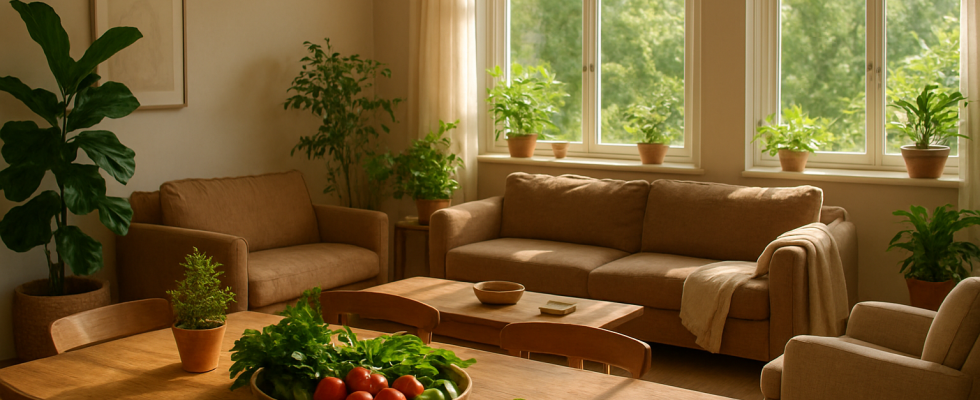
The environment in Blue Zones supports healthy living, with access to fresh food, clean air, and outdoor spaces. While not everyone can replicate these conditions fully, Americans can make small changes at home. Creating a peaceful living space, reducing exposure to pollutants, and increasing indoor greenery can contribute to a healthier environment. Additionally, prioritizing sleep and maintaining a regular sleep schedule can improve overall health and well-being.
Limiting Processed Foods
Blue Zone diets are largely free of processed foods, which are often linked to health issues like obesity and cardiovascular diseases. By reducing consumption of processed items and focusing on whole, natural foods, Americans can align their diets with Blue Zone principles. Cooking at home more frequently and choosing fresh ingredients can help reduce reliance on processed foods, promoting better health outcomes.
Conclusion
Embracing Blue Zone habits at home offers a practical approach to enhancing health and longevity without the need to move countries. By adopting a plant-based diet, integrating regular physical activity, fostering social connections, and cultivating a sense of purpose, individuals can improve their quality of life. Incorporating these practices into daily routines can lead to a healthier, more fulfilling life, echoing the longevity secrets of the world’s most resilient populations. With mindful effort, Americans can create their own Blue Zones at home, paving the way for a longer, happier life.