

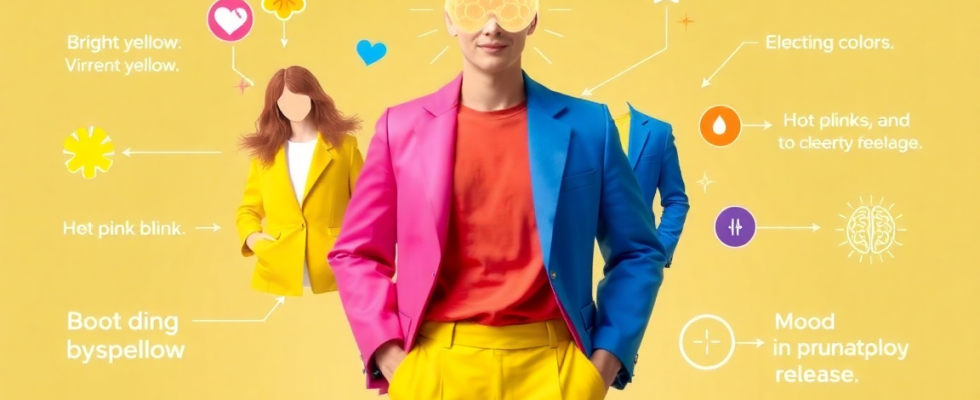
In recent years, the concept of dopamine dressing has gained significant traction, especially in the fashion world. This trend emphasizes wearing bright colors and specific clothing styles to enhance mood and overall mental well-being. But what is the psychology behind this phenomenon, and how exactly do bright colors influence our emotions? This article delves into the intricacies of dopamine dressing, exploring how color psychology, personal style, and emotional health interconnect.
Advertisements
Understanding Dopamine Dressing
Dopamine dressing is a term coined to describe the practice of wearing clothes with the intention of boosting one's mood. This practice is deeply rooted in color psychology, which suggests that different colors evoke different emotional responses. By consciously selecting clothes in colors that uplift and inspire, individuals can positively impact their mental state. The science behind this concept lies in the brain's response to colors, which can stimulate the release of dopamine—a neurotransmitter associated with pleasure and motivation.
The Role of Color Psychology
Color psychology plays a crucial role in dopamine dressing. Each color has unique psychological effects that can influence our feelings and behaviors. For instance, warm colors like red and yellow are often associated with energy, warmth, and positivity, while cooler shades like blue and green can evoke feelings of calmness and tranquility. By understanding these associations, individuals can make intentional clothing choices that align with their desired emotional state.
How Colors Affect Mood
Different colors trigger different emotional responses, which can explain why some hues make us feel more vibrant or relaxed. Here's a brief overview of how certain colors are perceived:
- Red: Often linked with passion and excitement, red can evoke strong emotions and increase energy levels.
- Yellow: Known as a joyful color, yellow is associated with happiness and optimism. It can instantly uplift a person's mood.
- Blue: Generally seen as a calming color, blue can help reduce stress and create a sense of peace.
- Green: Symbolizing nature and tranquility, green can promote relaxation and balance.
- Purple: Often linked to creativity and luxury, purple can stimulate the imagination and inspire creativity.
The Science Behind Dopamine
Dopamine is a neurotransmitter that plays a vital role in how we feel pleasure. It's an important part of our brain's reward system, facilitating feelings of enjoyment and reinforcement to motivate proactive behavior. When you wear uplifting colors, you can encourage your brain to release dopamine, leading to improved motivation and focus. This is why dopamine dressing can be an effective tool for enhancing mood and mental clarity.
The Connection Between Clothing and Mental Health
The relationship between clothing and mental health is complex and multifaceted. Our clothing choices are not just about aesthetics; they also reflect and affect our psychological state. When people dress in ways that make them feel good, they often experience increased confidence and self-esteem. This, in turn, can lead to a more positive outlook on life.
The Rise of Dopamine Dressing in Fashion
The fashion industry has embraced dopamine dressing as a means of encouraging self-expression and emotional well-being. Designers and retailers are increasingly focusing on vibrant color palettes and unique styles that cater to this trend. By offering a diverse range of colorful clothing options, they enable individuals to experiment with their personal style and discover what makes them feel happiest.
How to Incorporate Dopamine Dressing Into Your Wardrobe
Incorporating dopamine dressing into your everyday wardrobe can be both simple and rewarding. Here are some tips to get started:
Identify Your Colors: Experiment with different colors to see which ones make you feel the most positive. This process might involve trying on various shades and paying attention to your emotional response.
Mix and Match: Don't be afraid to combine colors in unexpected ways. Mixing complementary colors can create a vibrant and dynamic look that enhances mood.
Accessorize Boldly: If you're not ready to commit to an entirely colorful outfit, start with accessories like scarves, shoes, or jewelry in bright hues.
Pay Attention to Fabrics: Texture can also influence mood. Soft, comfortable fabrics can enhance the positive effects of color.
Dress for the Occasion: Consider the context in which you'll be wearing your outfit. Bright colors might be more appropriate for social gatherings than formal events, depending on the setting.
Conclusion
Dopamine dressing is more than just a fashion trend; it's a psychological tool that can help improve mood and well-being. By understanding the principles of color psychology and the impact of clothing on mental health, individuals can make informed choices that contribute to their happiness and self-expression. Whether you're a fashion enthusiast or someone simply looking to enhance your daily mood, experimenting with bright colors and different styles can be a transformative experience. Embrace the power of dopamine dressing and discover how a simple change in your wardrobe can lead to a more positive and joyful life.
This exploration of dopamine dressing highlights the fascinating intersection between fashion, psychology, and emotional health. As this trend continues to rise, it offers a promising avenue for individuals seeking to boost their mood and express their unique personalities through the power of color and style.