

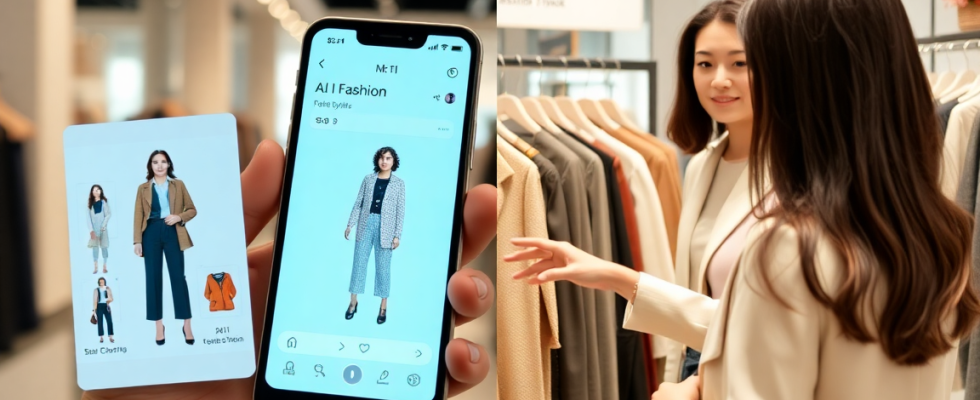
In the rapidly evolving world of fashion, artificial intelligence (AI) is making significant strides. AI stylists are increasingly being utilized as a modern alternative to personal shoppers, but the question remains: do these AI-generated outfit recommendations truly work? In this article, we will explore the capabilities and limitations of AI stylists, examining whether they can effectively replace the personalized touch of human stylists.
Advertisements
The Rise of AI Stylists
AI technology has been integrated into various industries, and fashion is no exception. AI stylists use algorithms to analyze fashion trends, customer preferences, and body measurements to offer personalized outfit recommendations. This is achieved by processing vast amounts of data to predict what would look good on a customer and what aligns with current fashion trends. The convenience and efficiency offered by such technology are appealing, especially in a fast-paced society where time is a luxury.
How AI Stylists Work
AI stylists operate by gathering data from multiple sources. They analyze factors such as color preferences, body type, and style history. Machine learning algorithms then process this data to make outfit suggestions that aim to flatter the individual's unique characteristics. Companies like Stitch Fix and Amazon are leading the charge by employing AI to enhance their styling services, which allows them to cater to a broader audience with more precise recommendations.
Advantages of AI Stylists
Convenience and Accessibility
One of the key advantages of AI stylists is the convenience they offer. Unlike human stylists who may require appointments or consultations, AI stylists are available 24/7 and can provide immediate fashion advice. This is particularly beneficial for busy individuals who may not have the time to engage in lengthy stylist consultations.
Cost-Effectiveness
AI stylists often come at a fraction of the cost of hiring a personal shopper. By reducing the need for human labor, these services can offer lower prices, making personal styling more accessible to a wider audience. As a result, individuals who might not have considered personal styling due to cost barriers can now enjoy personalized fashion advice.
Data-Driven Precision
AI stylists utilize data analytics to assess trends and make predictions, offering recommendations that are grounded in current fashion movements. This data-driven approach can result in more fashion-forward and trend-aligned outfit suggestions, ensuring that users always have access to the latest styles.
Limitations of AI Stylists
Lack of Personal Touch
Despite the many advantages, AI stylists lack the personal touch that human stylists provide. Fashion is inherently personal, and a human stylist can take into account the nuances of an individual's personality and lifestyle, which AI cannot fully grasp. According to fibre2fashion.com, AI can generate outfit recommendations but cannot offer holistic wardrobe management that a human stylist can.
Emotional Connection
A significant aspect of personal styling is the emotional connection between the stylist and the client. Human stylists can offer reassurance and confidence, helping clients feel better about themselves in their clothes. This emotional support is something AI cannot replicate, as noted by houseofcolour.com, where it's mentioned that clothes do not always equate to confidence without human interaction.
Over-Reliance on Data
AI styling relies heavily on data, which can sometimes lead to generic recommendations that might not suit everyone's unique tastes. Furthermore, data-driven suggestions often encourage more purchasing, potentially leading to clutter rather than a curated wardrobe, as highlighted by houseofcolour.com.
AI Stylists vs. Traditional Stylists: A Comparative Analysis
To truly understand the effectiveness of AI stylists, it's essential to compare them with traditional human stylists. An experiment conducted over seven days, as noted on YouTube, involved using AI for daily outfit choices. The results highlighted that while AI can suggest stylish outfits, the lack of adaptability and personal insight was evident. Participants found that human stylists are better at adjusting recommendations based on client feedback and unexpected events.
The Future of AI in Fashion
AI stylists are not here to completely replace human stylists but to complement them. As technology advances, AI will likely become more sophisticated, offering even more personalized and accurate recommendations. According to algonomy.com, AI styling can elevate current technologies by meeting shoppers where they are, making fashion more accessible and enjoyable.
Potential for Collaboration
The future may see a collaboration between AI and human stylists, where AI handles the data-driven aspects of styling, and human stylists provide the personal touch and adaptability. This could result in a more holistic approach to personal styling, combining the best of both worlds.
Conclusion
AI stylists are undoubtedly changing the landscape of personal shopping, offering convenience, cost-effectiveness, and data-driven insights. However, they are not without limitations, particularly in providing the personal and emotional support that human stylists excel at. While AI can offer excellent outfit recommendations, it cannot fully replace the expertise and personal connection of a human stylist. The future of fashion may well lie in the collaboration between AI and human stylists, providing a comprehensive and personalized styling experience for all. As we continue to embrace technology, finding the right balance between AI innovation and human touch will be key to maximizing the benefits of both.