

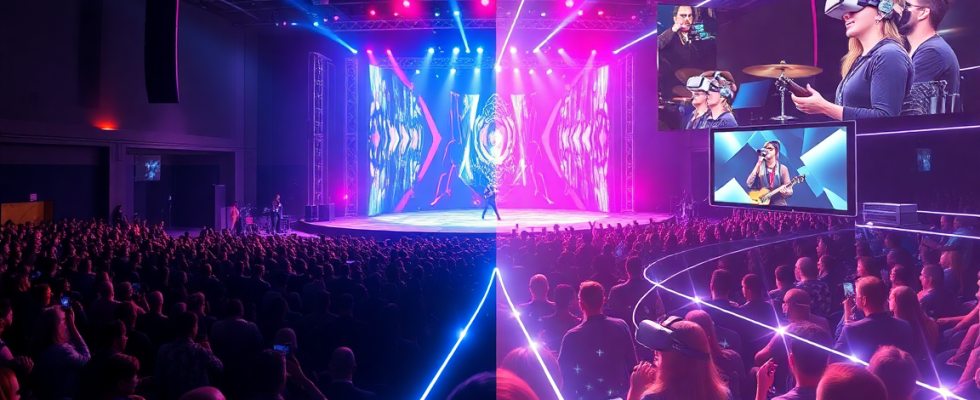
The concert industry is undergoing a radical transformation as we step into 2026, with the rise of virtual reality (VR) concert tours marking a significant shift in how audiences experience live music. This blend of physical and digital elements, referred to as hybrid concerts, is reshaping the landscape by merging the immersive energy of live performances with the expansive reach of virtual platforms. In this article, we will delve into the rise of VR concert tours, their impact on the live music industry, and what the future holds for this innovative form of entertainment.
Advertisements
The Emergence of VR Concerts
Virtual reality concerts have been gaining momentum over the past few years, largely due to advancements in VR technology and the increasing demand for more dynamic and accessible concert experiences. According to recent studies, including a 2023 survey conducted by the National Institutes of Health, there is a growing interest in VR concerts among fans. These events allow attendees to enjoy a high level of presence and immersion, as they can experience the concert as if they were physically present, all while being in the comfort of their own homes.
In VR concerts, audiences use VR headsets to enter a virtual environment where they can watch their favorite artists perform. This setup provides a unique perspective, often offering 360-degree views of the stage and audience, creating an experience that is both intimate and expansive. As technology continues to evolve, these VR experiences are becoming more sophisticated, with enhanced graphics and interactive features that further engage audiences.
Hybrid Concerts: Bridging Physical and Virtual Worlds
Hybrid concerts are at the forefront of this VR revolution, combining the energy of live, in-person shows with the creativity and reach of virtual experiences. These events are designed to cater to both physical attendees and virtual participants, offering a versatile platform for artists to expand their reach without being constrained by geographical boundaries.
The concept of hybrid concerts involves live performances being broadcast in real-time to a virtual audience. This dual approach not only increases accessibility for fans who may not be able to attend in person but also provides additional revenue streams for artists and organizers. By offering both physical and virtual tickets, musicians can connect with a global audience, increasing their fan base and enhancing the overall concert experience.
Technological Advances Driving VR Concerts
The rise of VR concert tours can be attributed to several technological advances that have made these experiences more immersive and accessible. High-definition graphics, improved VR headsets, and advanced audio systems are just a few innovations that have enhanced the quality of VR concerts. Furthermore, platforms like Oculus and HTC Vive have developed more user-friendly interfaces, allowing fans to easily access and navigate VR environments.
One of the most exciting developments in VR concerts is the incorporation of augmented reality (AR) elements. By integrating AR features, artists can create layered visual experiences that add depth and dimension to their performances. This innovation not only captivates audiences but also opens up new avenues for creative expression in the music industry.
The Benefits and Challenges of VR Concerts
Benefits
Accessibility: VR concerts eliminate geographical barriers, enabling fans from around the world to participate in live events without the need to travel.
Cost-Effectiveness: Attending a VR concert is often more affordable than a traditional concert, as it eliminates travel and accommodation expenses, making it an attractive option for many fans.
Enhanced Experience: The immersive nature of VR allows for unique concert experiences that are often not possible in physical settings, such as interactive environments and customized perspectives.
Challenges
Despite the numerous benefits, there are challenges associated with VR concerts that need to be addressed. One major concern is the digital divide, as not all fans have access to the necessary technology, such as VR headsets and high-speed internet, to fully enjoy these experiences. Additionally, not all artists and organizers have embraced VR technology, which can limit the availability and variety of concerts offered in virtual reality.
The Future of VR Concert Tours
As we look to the future, the potential for VR concert tours is immense. The ongoing development of VR and AR technologies will likely lead to even more innovative and engaging concert experiences. Experts predict that as these technologies become more mainstream, we will see a wider adoption of hybrid concerts, with more artists incorporating virtual elements into their live performances.
Moreover, the integration of artificial intelligence and machine learning could further personalize the concert experience, tailoring it to the preferences of individual users. This personalization could include customized setlists, interactive fan engagement, and real-time feedback from virtual audiences.
In conclusion, the rise of VR concert tours in 2026 represents a significant evolution in the way we experience live music. By embracing the possibilities offered by virtual and augmented reality, the music industry is poised to create more inclusive, engaging, and innovative concert experiences. As technology continues to advance, VR concerts will likely become a staple in the music industry, offering fans new ways to connect with their favorite artists like never before.