

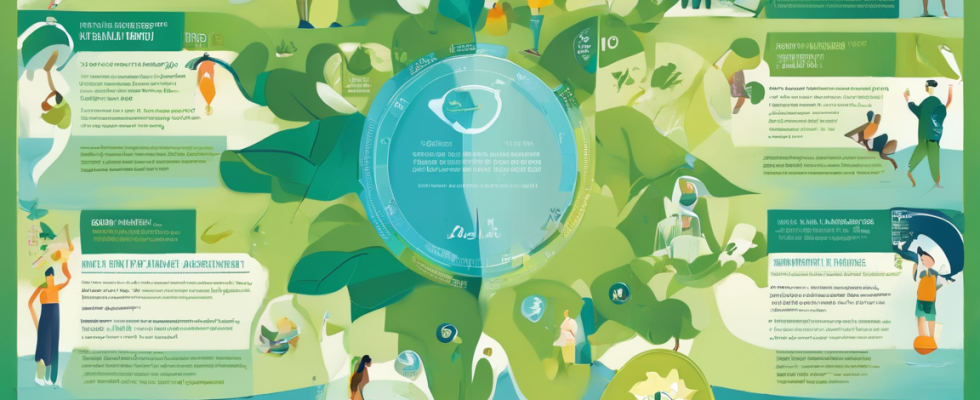
In today's fast-paced and ever-changing world, resilience has become an indispensable trait for effectively navigating life's myriad challenges. Resilient individuals not only recover from setbacks but often emerge stronger and more capable, turning adversity into opportunity. Understanding the habits that contribute to this resilience can aid anyone in developing these traits and thriving in the face of hardship. This expanded article delves into the ten habits of highly resilient people, offering insights and practical tips for building your own resilience.
Advertisements
1. Positive Self-Talk and Optimism
At the core of resilience lies the habit of practicing positive self-talk and maintaining an optimistic outlook. Resilient individuals consciously counteract negative thoughts and self-criticism with constructive self-reflection. For instance, after a professional setback, a resilient person might focus on the lessons learned rather than dwelling on perceived personal shortcomings. They avoid harsh self-judgment, choosing instead to see setbacks as opportunities for growth. By fostering a positive mindset, they enhance their capacity to overcome obstacles and sustain hope for a brighter future, thereby building resilience against life's challenges.
2. Embracing Change
Resilient people are adept at viewing change as an opportunity rather than a threat. They understand that change is a constant in life, and instead of resisting it, they embrace it as a chance to learn and grow. For example, when faced with an unexpected job transition, they might seek to develop new skills or explore different career paths. By being adaptable and open-minded, they can navigate transitions more smoothly and emerge stronger from challenges, reinforcing their resilience with each experience.
3. Building Strong Relationships
A fundamental component of resilience is having a robust support network. Resilient individuals prioritize building and maintaining strong relationships with family, friends, and colleagues. They invest time and effort in nurturing these connections, understanding that these relationships provide essential emotional support during difficult times. For instance, when dealing with personal loss, a resilient person might reach out to friends for comfort and advice, which in turn helps them cope with stress and adversity more effectively.
4. Practicing Self-Care
Highly resilient people recognize that self-care is not an indulgence but a necessity for maintaining their resilience. They prioritize aspects such as rest, exercise, nutrition, and mental peace. By engaging in activities like regular physical exercise, meditation, or pursuing hobbies, they address both their physical and mental health needs. This holistic approach not only boosts their ability to handle stress but also enhances their overall well-being, allowing them to recover from setbacks with renewed energy and focus.
5. Maintaining a Growth Mindset
Resilient individuals adopt a growth mindset, firmly believing that their abilities and intelligence can be developed through effort and dedication. They view failures not as insurmountable obstacles but as valuable opportunities to learn and improve. For example, a resilient student who receives a poor grade might seek additional resources and feedback to better understand the material, rather than giving up. This mindset encourages them to persist in the face of challenges, ultimately leading to greater resilience and a stronger capacity for personal development.
6. Setting Realistic Goals
Another crucial habit of resilient people is setting realistic and achievable goals. They break down larger objectives into smaller, manageable tasks, which helps them stay focused and motivated. For instance, someone training for a marathon might create a weekly running schedule with incremental distance goals. By celebrating small successes along the way, they build momentum and confidence, reinforcing their resilience with each milestone achieved. This structured approach to goal-setting ensures steady progress and mitigates the risk of overwhelm.
7. Practicing Forgiveness
Forgiveness is a powerful tool for enhancing resilience. Resilient individuals forgive themselves and others quickly, letting go of grudges and past mistakes. For example, after a disagreement with a colleague, a resilient person might choose to move past the incident and focus on fostering a collaborative work environment. This practice of forgiveness frees them from the emotional burdens that can hinder their progress, allowing them to move forward with clarity and strength, unencumbered by the weight of resentment.
8. Developing Problem-Solving Skills
Resilient people are proficient problem-solvers, approaching challenges with a solution-oriented mindset. They analyze situations, explore various options, and develop effective strategies for tackling issues. For instance, when faced with a financial setback, a resilient person might create a budget, seek additional income sources, or consult a financial advisor. By honing strong problem-solving skills, they can address issues more effectively and reduce the stress associated with uncertainty, enhancing their resilience in the process.
9. Cultivating Gratitude
Gratitude is a cornerstone of resilience. Resilient individuals regularly reflect on the positive aspects of their lives, even during tough times. For example, keeping a daily gratitude journal helps them focus on things they are thankful for, such as supportive relationships or personal achievements. This practice of gratitude helps them maintain a balanced perspective, reducing stress and enhancing their overall well-being, thereby fortifying their resilience against future adversities.
10. Learning from Experience
Finally, resilient individuals view life as a continuous learning journey. They reflect on their experiences, both positive and negative, and extract valuable lessons. For instance, after a challenging project at work, they might evaluate what strategies worked well and what could be improved for future endeavors. By learning from their experiences, they build a reservoir of knowledge and skills that bolster their resilience against future challenges, ensuring they are better equipped to handle whatever life throws their way.
Conclusion
The habits of highly resilient people provide a comprehensive roadmap for developing the strength and adaptability needed to thrive in today's complex world. By incorporating positive self-talk, embracing change, building strong relationships, and practicing self-care, anyone can significantly enhance their resilience. Furthermore, adopting a growth mindset, setting realistic goals, practicing forgiveness, honing problem-solving skills, cultivating gratitude, and learning from experience are all integral to building resilience. These habits empower individuals to not only recover from setbacks but to also emerge stronger and more capable, ready to face whatever life throws their way. By consciously developing these habits, you can cultivate your resilience and navigate life's challenges with confidence and grace, ultimately leading to a more fulfilling and balanced life.