

The textile industry is undergoing a revolutionary transformation as it embraces sustainable dyeing practices, particularly through the adoption of waterless dyeing technology. This innovation is not only addressing the pressing issue of water scarcity but also significantly reducing the environmental footprint associated with traditional dyeing methods. In this article, we will explore how waterless dyeing technology is making waves in the industry, its benefits, and the future it holds for sustainable textile manufacturing.
Advertisements
The Need for Sustainable Dyeing Practices
Textile dyeing is traditionally a water-intensive process, with estimates suggesting that it takes up to 200 tons of water to produce just one ton of dyed fabric. This excessive water usage, coupled with the discharge of untreated wastewater laden with harmful chemicals, has made the textile industry one of the largest polluters globally.
Water scarcity is a growing concern, particularly in regions where water resources are already limited. The United Nations has identified water scarcity as one of the 21st century's major global challenges, affecting billions of people worldwide. In this context, sustainable dyeing practices, such as waterless dyeing, have become crucial in mitigating the industry's environmental impact.
Understanding Waterless Dyeing Technology
Waterless dyeing technology, as the name suggests, eliminates or drastically reduces the need for water in the dyeing process. One of the most innovative approaches in this realm involves the use of supercritical carbon dioxide (CO2) as a dyeing medium. This method leverages CO2 in its supercritical state, where it exhibits properties of both a liquid and a gas, to dissolve dyes and infuse them into fabrics.
The Process of Waterless Dyeing
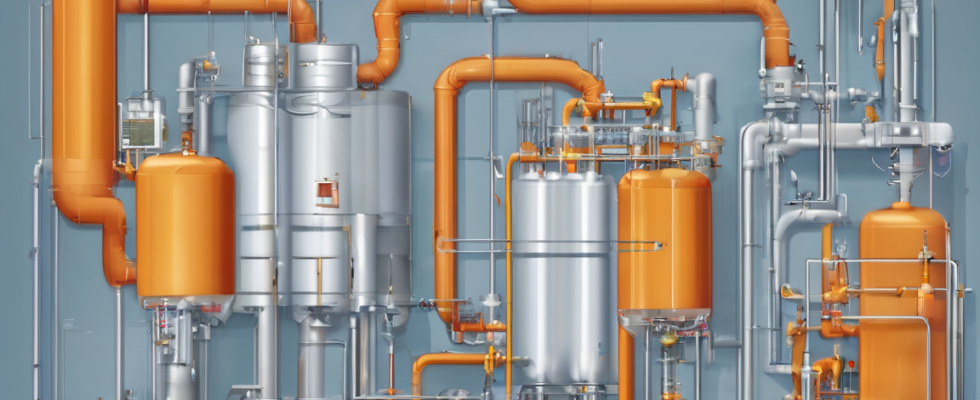
The waterless dyeing process begins by placing the fabric and dye in a closed chamber. Supercritical CO2 is then introduced, dissolving the dye and enabling it to penetrate the fabric fibers evenly. Once the dyeing process is complete, the pressure is released, and the CO2 reverts to its gaseous state, leaving no waste or residue. This closed-loop system eliminates wastewater and significantly reduces chemical and energy consumption.
Benefits of Waterless Dyeing Technology
The adoption of waterless dyeing technology offers numerous benefits that make it a standout solution in sustainable textile manufacturing.
Environmental Benefits
- Water Conservation: By eliminating the need for water, this technology directly addresses water scarcity, conserving a vital natural resource.
- Reduced Pollution: Without water as a medium, there is no wastewater generated, thus minimizing chemical discharge into the environment and lowering effluent treatment costs.
- Energy Efficiency: The process requires less energy compared to traditional methods, as there is no need for drying the fabric post-dyeing, further reducing the carbon footprint.
Economic Advantages
- Lower Operational Costs: The reduction in water and energy usage translates to lower operational costs for textile manufacturers. Additionally, the elimination of wastewater treatment processes reduces expenses associated with chemical management and compliance with environmental regulations.
- Enhanced Fabric Quality: Waterless dyeing results in vibrant colors with excellent colorfastness, enhancing the quality and durability of the fabric, which is an attractive feature for consumers and manufacturers alike.
Market Competitiveness
As consumers become increasingly aware of environmental issues, there is a growing demand for sustainably produced goods. By adopting waterless dyeing technologies, companies can enhance their brand image and appeal to eco-conscious consumers, gaining a competitive edge in the marketplace.
Challenges and Future Prospects
While waterless dyeing technology presents numerous advantages, it is not without challenges. The initial investment in equipment and technology can be substantial, posing a barrier for smaller enterprises. Additionally, the technology is still evolving, and research is ongoing to expand its application to a broader range of textiles and dyes.
Despite these challenges, the future of waterless dyeing technology looks promising. As the industry continues to innovate and adapt, the technology is expected to become more accessible and cost-effective. Continued advancements and increased adoption will likely lead to further improvements in efficiency and sustainability.
Conclusion
Waterless dyeing technology is revolutionizing the textile industry by providing a sustainable, eco-friendly solution that conserves water and reduces pollution. By eliminating water usage, minimizing chemical discharge, and lowering energy consumption, this technology is paving the way for a more sustainable future in textile manufacturing.
As the demand for environmentally responsible products grows, waterless dyeing offers textile manufacturers an opportunity to align with consumer values and meet regulatory standards, while also reducing their environmental impact. With ongoing advancements and a commitment to sustainability, the industry is poised to embrace this transformative technology and lead the charge towards a more sustainable future.
In conclusion, sustainable dyeing through waterless technology is not just a trend, but a necessary evolution for the textile industry. By investing in and adopting these innovative solutions, manufacturers can safeguard natural resources, protect the environment, and ensure a viable and prosperous future for the industry and the planet alike.