

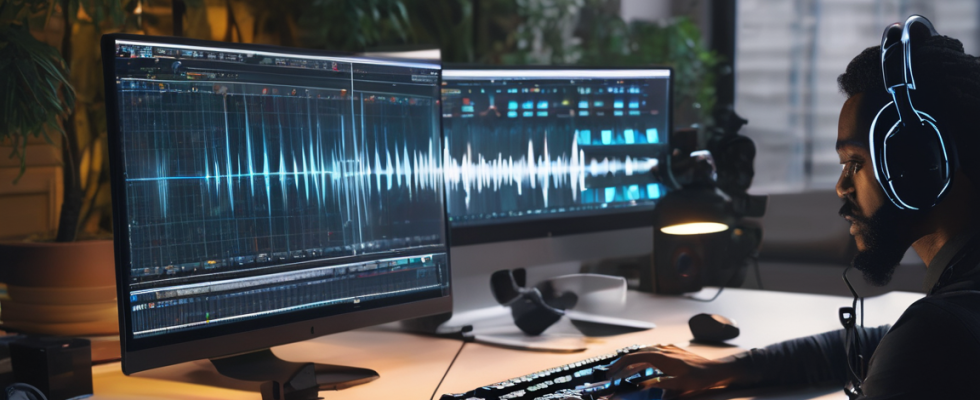
The advent of artificial intelligence (AI) in the music industry has revolutionized the way tracks are composed, making it more accessible for non-musicians to create music. With AI music production tools, anyone can compose tracks without any prior musical knowledge. This article explores the best AI tools for non-musicians to dive into the world of music creation.
Advertisements
Understanding AI Music Production
AI music production tools leverage machine learning algorithms to assist in various aspects of music creation. These tools can generate melodies, harmonies, and even complete compositions by analyzing vast databases of existing music. By doing so, they offer users the ability to create music without needing to understand complex musical theories or possess instrumental skills.
How AI Is Transforming Music Creation
AI technology has introduced new possibilities in music production. It allows users to experiment with different styles and genres, offering a creative playground for both seasoned musicians and beginners. AI tools can imitate the styles of famous composers, blend genres, and even provide suggestions for improving compositions.
Best Tools for Non-Musicians
Several AI music production tools have emerged as leaders in this innovative field. These tools are designed to simplify the music creation process, making it accessible to everyone.
MuseNet
MuseNet, developed by OpenAI, is a deep neural network that can generate four-minute musical compositions using ten different instruments. It can blend various styles, from country to classical music, offering a diverse range of possibilities for creators. MuseNet's user-friendly interface allows non-musicians to experiment with different musical elements effortlessly.
AIVA
AIVA (Artificial Intelligence Virtual Artist) is another powerful tool that composes emotional soundtracks. It is particularly useful for creators in need of background scores for films, video games, or commercials. AIVA's ability to compose music with emotional depth makes it a favorite among content creators who lack musical expertise.
SOUNDRAW
SOUNDRAW focuses on creating custom music tracks and beats for creators and artists. This platform is especially favored by those who require music without copyright issues. SOUNDRAW's intuitive interface allows users to generate original songs by selecting mood, genre, and duration, making it an excellent choice for non-musicians.
Amper Music
Amper Music is designed for users who want to create music quickly and easily. With its AI-driven platform, users can choose from various musical styles and instruments to compose tracks tailored to their needs. Amper's drag-and-drop interface makes it user-friendly, even for those with no musical background.
Exploring AI's Impact on Music Creativity
The integration of AI in music production has sparked debates about creativity and authenticity in music. While AI can mimic human creativity, it raises questions about originality and the role of the artist in the creative process. However, for non-musicians, AI serves as a valuable tool that democratizes music creation, allowing more people to express themselves musically.
The Role of Human Creativity
Even with AI's capabilities, human input remains crucial in music production. AI tools can generate music, but the emotional connection and storytelling elements often come from human creativity. Non-musicians using AI tools can focus on the storytelling aspect, guiding AI to produce tracks that resonate with their vision.
Getting Started with AI Music Production
For non-musicians interested in exploring AI music production, starting with these user-friendly tools can be an exciting journey. Here are some steps to get started:
Choose the Right Tool: Select a tool that aligns with your creative goals. Consider factors like ease of use, available features, and the type of music you want to create.
Experiment with Styles: Use the flexibility of AI to experiment with different musical styles and genres. This experimentation can help you discover your unique sound.
Incorporate Feedback: Utilize AI's suggestions to improve your tracks. AI tools often provide feedback on composition and arrangement, helping refine your music.
Collaborate and Share: AI tools facilitate collaboration by allowing users to share their creations with others. Collaborating with fellow creators can lead to new insights and inspiration.
Conclusion
AI music production tools have opened up new avenues for non-musicians to engage in music creation. By leveraging AI technology, individuals without formal musical training can compose tracks that are both innovative and expressive. As AI continues to evolve, it will undoubtedly play a larger role in shaping the future of music production, making it more inclusive and accessible to all. Whether you're a novice or an experienced creator, AI tools provide a platform to explore your musical creativity and bring your compositions to life.