

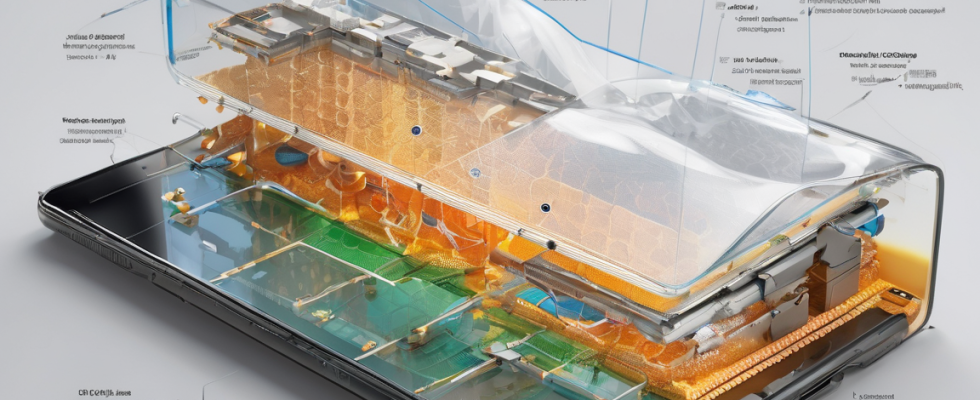
In recent years, foldable screens have emerged as a revolutionary innovation in the smartphone industry, promising to transform the way we interact with our devices. While early iterations were met with skepticism regarding their durability, advancements in materials science and engineering have addressed these concerns. This article delves into the physics behind foldable screens and explains why they are now more durable than ever.
Advertisements
The Evolution of Foldable Screens
Foldable screens represent a significant departure from traditional rigid displays. Initially, these screens faced challenges due to their susceptibility to damage from bending and folding. However, continuous research and development have led to the creation of more robust and flexible materials. The introduction of ultra-thin glass and advanced polymers has been pivotal in enhancing the durability of foldable screens.
Materials Science and Flexibility
At the core of foldable screen technology is the development of materials that are both flexible and resilient. Traditional smartphone screens use rigid glass, which can easily shatter under stress. In contrast, foldable screens incorporate advanced polymers and ultra-thin glass, allowing them to bend without breaking. These materials are engineered to maintain their integrity through thousands of folding cycles, a critical factor in ensuring their longevity.
The Role of Ultra-Thin Glass
Ultra-thin glass is a breakthrough component in foldable screen technology. Unlike conventional glass, which is brittle, ultra-thin glass is designed to be both flexible and strong. This glass is manufactured through a precise process that involves thinning it to a fraction of a millimeter, making it pliable enough to fold without compromising its structural integrity. Moreover, chemical strengthening techniques are applied to enhance its resistance to scratches and impacts.
Understanding the Physics of Flexibility
The physics underlying foldable screens involves a complex interplay of forces and materials properties. When a screen is folded, it experiences stress at the molecular level. The key to durability lies in the ability of the materials to distribute and absorb these stresses without deforming permanently. This is achieved through a combination of elasticity and toughness, allowing the screen to withstand repeated folding.
Elasticity and Toughness
Elasticity refers to a material's ability to return to its original shape after being deformed. In foldable screens, elasticity ensures that the screen can bend and then straighten without damage. Toughness, on the other hand, is the ability of a material to absorb energy and resist fracture. The combination of these properties in the materials used for foldable screens is what makes them durable.
Engineering Innovations
Beyond materials, engineering innovations have played a crucial role in enhancing the durability of foldable screens. Manufacturers have developed sophisticated hinge mechanisms that evenly distribute stress along the fold, reducing the likelihood of material fatigue and failure. These hinges are meticulously designed to provide a smooth folding experience while minimizing wear and tear on the screen itself.
Real-World Durability: Testing and Results
To ensure foldable screens meet durability standards, they undergo rigorous testing. These tests simulate real-world conditions, such as repeated folding, exposure to dust and moisture, and impact resistance. According to reports from various manufacturers, foldable screens can endure up to 200,000 folds, equating to several years of typical use.
Overcoming Initial Challenges
Early foldable devices faced criticism due to issues like screen creasing and hinge malfunction. However, recent models have addressed these problems through iterative design improvements and superior materials. The use of better hinge designs and enhanced screen coatings has significantly reduced visible creasing, while also improving the overall tactile experience.
The Future of Foldable Technology
With continuous advancements in technology and materials, the future of foldable screens looks promising. As manufacturers continue to refine these devices, we can expect even greater durability and performance. The potential applications for foldable screens extend beyond smartphones, with possibilities in tablets, laptops, and wearable technology.
Expanding Applications
Foldable technology is set to revolutionize various industries by offering more versatile and portable display solutions. In the realm of consumer electronics, foldable screens can lead to more compact devices without sacrificing screen real estate. Additionally, industries such as automotive and healthcare may benefit from foldable displays for enhanced user interfaces and information accessibility.
Conclusion
The journey of foldable screens from a novel concept to a durable reality is a testament to the power of materials science and engineering. By understanding the physics behind these screens, we gain insight into how they have overcome initial durability challenges. Through the use of advanced materials like ultra-thin glass and innovative engineering solutions, foldable screens are now a viable and durable option for consumers.
As the technology continues to evolve, foldable screens are poised to become a staple in the world of electronics, offering unprecedented flexibility and functionality. With ongoing research and development, the possibilities for foldable technology are vast, promising to reshape the way we interact with our devices.