

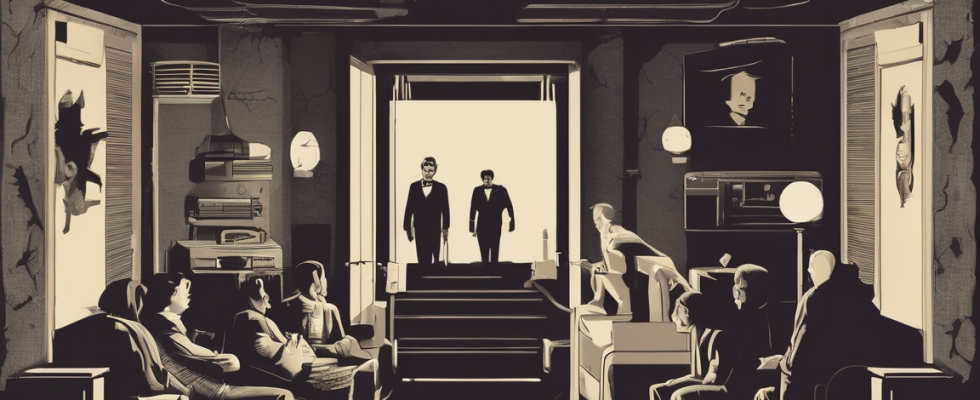
In recent years, the horror genre has undergone a fascinating transformation with the rise of "quiet horror." This subgenre is gaining popularity for its unique approach to evoking fear and unease. Unlike traditional horror films that rely heavily on jump scares and graphic imagery, quiet horror utilizes atmosphere, suggestion, and psychological tension to create an unsettling experience. This article explores the evolution of horror and why quiet horror is becoming a trend in the United States.
Advertisements
Understanding Quiet Horror
Quiet horror is a subgenre that focuses on creating a sense of unease through subtlety and implication. It often avoids explicit violence and gore, instead relying on psychological elements to instill fear. The goal is to engage the audience's imagination, allowing them to fill in the blanks with their own fears and anxieties. As noted by the Fennville District Library, these stories rely heavily on atmosphere and imagination, fostering a deep sense of dread without overt displays of terror.
The Shift Towards Subtlety
The shift towards quiet horror can be attributed to several factors. Firstly, audiences are becoming more sophisticated in their consumption of horror media. They crave new and innovative ways to be scared, and quiet horror offers a refreshing departure from traditional tropes. Additionally, this subgenre aligns well with the growing interest in psychological thrillers, which similarly emphasize character development and mental tension.
Furthermore, quiet horror allows for a more profound exploration of themes. By focusing on the psychological and emotional aspects of fear, filmmakers can delve into complex narratives that resonate on a deeper level. This approach not only broadens the appeal of horror films but also attracts viewers who might shy away from more graphic content.
The Role of Atmosphere and Suggestion
Atmosphere plays a crucial role in quiet horror. Filmmakers craft environments that are rich in detail and texture, using sound design, lighting, and cinematography to build tension. Silence is often weaponized, as seen in films like "A Quiet Place," where the absence of sound heightens the stakes and amplifies the viewer's anxiety.
Suggestion, too, is a powerful tool in quiet horror. By hinting at unseen horrors, filmmakers engage the audience's imagination, allowing them to conjure images that are often more terrifying than anything that could be depicted on screen. This technique is effective because it taps into personal fears, making the experience of horror intensely personal and subjective.
Notable Examples of Quiet Horror
Several films and books exemplify the quiet horror subgenre. Movies like "The Witch" and "Hereditary" have been praised for their atmospheric storytelling and psychological depth. These films eschew traditional horror tropes in favor of slow-building tension and unease.
In literature, authors like Shirley Jackson and Susan Hill have mastered the art of quiet horror. Their works, such as "The Haunting of Hill House" and "The Woman in Black," respectively, are enduring examples of how suggestion and atmosphere can create a chilling narrative.
The Appeal of Quiet Horror
The appeal of quiet horror lies in its ability to engage the intellect as well as the emotions. As discussed on SNHU's platform, many fans find that their own imaginations can produce more horror than explicit depictions. This interaction between the narrative and the viewer's mind creates a more immersive and lasting impact.
Moreover, quiet horror often explores societal and existential themes, offering commentary on human nature, morality, and the unknown. This depth of storytelling attracts audiences who appreciate films with substance and thought-provoking content.
The Future of Horror: Quiet and Beyond
As the horror genre continues to evolve, quiet horror is likely to maintain its place in the cinematic landscape. Its emphasis on atmosphere and psychological tension aligns well with contemporary tastes, and its ability to explore complex themes ensures its relevance. As audiences seek out new and innovative experiences, quiet horror provides a unique and compelling form of storytelling.
Future filmmakers and writers may continue to experiment with the boundaries of quiet horror, blending it with other genres to create hybrid narratives that push the envelope of what horror can be. The potential for innovation is vast, and as this subgenre continues to gain traction, it is poised to redefine how audiences experience fear.
Conclusion
The evolution of horror, particularly the rise of quiet horror, reflects changing audience preferences and a desire for more nuanced and sophisticated storytelling. By focusing on atmosphere, suggestion, and psychological tension, quiet horror offers a refreshing alternative to traditional horror tropes. Its ability to engage the imagination and explore complex themes makes it a compelling choice for modern audiences in the United States and beyond.
As the genre continues to grow and evolve, quiet horror stands as a testament to the enduring power of fear and the limitless possibilities of storytelling. Whether through films that weaponize silence or books that delve into the depths of the human psyche, quiet horror captivates and terrifies in equal measure, ensuring its place in the pantheon of horror for years to come.