

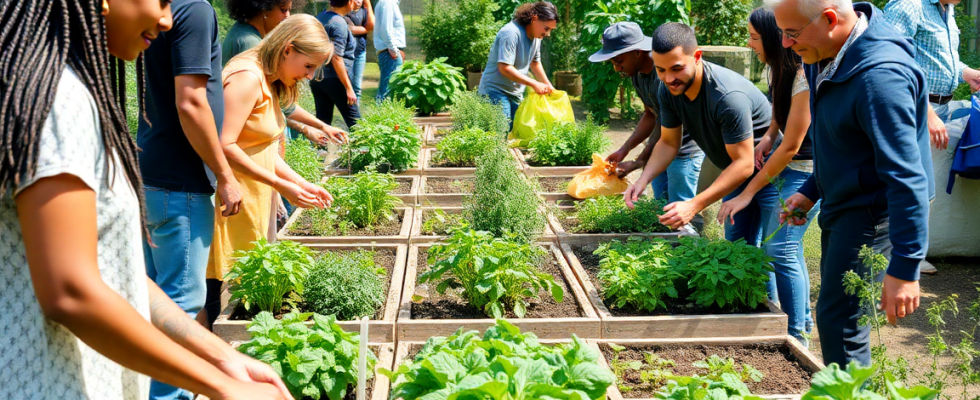
Community gardens are increasingly becoming a pivotal part of urban and suburban landscapes across the United States. While these green spaces have long been associated with sustainable agriculture and food security, their role in fostering social connections parallels that of traditional social clubs. This article explores why community gardens are emerging as the new social clubs, emphasizing their multifaceted benefits, including social, educational, and psychological aspects.
Advertisements
The Rise of Community Gardens
In recent years, there has been a notable increase in community gardens throughout the United States. As urban areas expand and green spaces become more limited, community gardens offer a unique solution by transforming vacant lots into productive areas. These gardens serve as shared green spaces that provide more than just produce. They foster psychological resilience, social connectedness, and civic engagement, making them integral to community development.
Community gardens are accessible to a diverse range of individuals, including families, seniors, children, and marginalized groups such as immigrants and refugees. These gardens act as safe spaces where people can come together, share their experiences, and learn from one another. This inclusive environment helps break down social barriers, fostering a sense of belonging and community spirit.
Educational Opportunities and Skill Development
One of the significant benefits of community gardens is their role as informal educational spaces. Volunteers and experienced gardeners often take on mentorship roles, teaching newcomers basic gardening skills and sustainable growing practices. This transfer of knowledge is crucial for promoting sustainable agriculture and environmental stewardship.
Gardening also provides an opportunity for individuals to develop new skills and engage in lifelong learning. From understanding soil health and plant biology to learning about composting and water conservation, community gardens offer a wealth of educational opportunities. Furthermore, these gardens often host workshops and events focused on various topics, such as organic gardening, pest management, and seasonal planting.
Promoting Psychological Well-being
The mental health benefits of gardening are well-documented. Engaging with nature and participating in gardening activities can reduce stress, anxiety, and depression. Community gardens, in particular, enhance these psychological benefits by fostering a sense of community and belonging. The act of nurturing plants and watching them grow can be incredibly fulfilling, providing a source of purpose and achievement.
Additionally, community gardens encourage physical activity, which is known to improve mental health. The physical aspects of gardening, such as digging, planting, and weeding, provide a form of exercise that can improve cardiovascular health and increase overall well-being. This combination of physical activity and social interaction makes community gardens a holistic approach to enhancing mental health.
Building Social Capital and Civic Engagement
Community gardens are instrumental in building social capital by creating networks of relationships among individuals. These networks are essential for fostering trust, cooperation, and collective action within communities. By bringing people together around a common interest, community gardens help strengthen the social fabric of neighborhoods.
Moreover, community gardens often serve as hubs for civic engagement. They provide opportunities for community members to participate in decision-making processes regarding the development and management of the garden. This involvement empowers individuals to take ownership of their community and encourages active participation in local governance.
Community gardens also play a crucial role in promoting cultural exchange and diversity. They create spaces where people from different backgrounds can come together, share their cultural traditions, and learn from one another. This cultural exchange enriches the community experience and fosters mutual understanding and respect among diverse groups.
Environmental Impact and Sustainability
Beyond their social and psychological benefits, community gardens also contribute to environmental sustainability. These gardens promote biodiversity by providing habitats for various plant and animal species. They also support pollinators such as bees and butterflies, which are essential for maintaining healthy ecosystems.
Community gardens can help mitigate urban heat islands by providing shade and reducing surface temperatures. They also improve air quality by absorbing pollutants and producing oxygen. Additionally, by promoting local food production, community gardens reduce the carbon footprint associated with transporting food over long distances.
The emphasis on sustainable practices in community gardens, such as composting and rainwater harvesting, further enhances their environmental impact. These practices not only reduce waste but also conserve resources, making community gardens a model for sustainable living.
Conclusion
Community gardens have evolved beyond their traditional role as spaces for growing food. They have become vibrant social hubs that foster community engagement, education, and psychological well-being. By providing a platform for social interaction, skill development, and cultural exchange, community gardens are redefining the concept of social clubs in the modern era.
As urbanization continues to challenge the availability of green spaces, the importance of community gardens will only grow. These gardens offer a sustainable solution that not only addresses food security but also enhances the quality of life for individuals and communities. By supporting community gardens, we can promote a more connected, resilient, and sustainable society.
In a world where digital connections often take precedence, community gardens offer a refreshing reminder of the power of face-to-face interactions and the profound impact of shared experiences. As more people recognize their potential, community gardens are poised to become the new social clubs of the 21st century, cultivating not just plants, but vibrant and inclusive communities.