

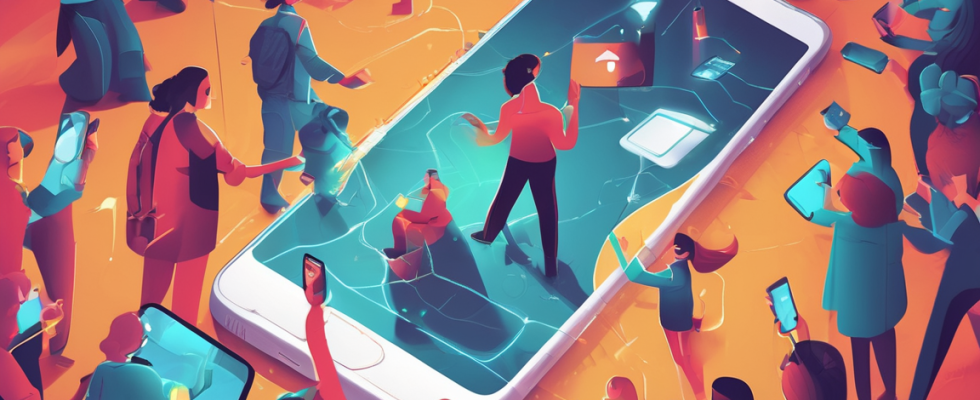
In today's hyper-connected world, digital isolation has become an unintended consequence of our reliance on technology for communication. While digital platforms offer convenience, they often leave individuals feeling socially isolated. This paradox has led many to seek ways to improve their social skills amidst digital isolation. This article aims to provide practical strategies for enhancing interpersonal abilities, focusing on both digital and face-to-face interactions.
Advertisements
Understanding Digital Isolation
Digital isolation refers to the phenomenon where individuals, despite having access to numerous communication tools, feel disconnected from others. This is particularly prevalent in the United States, where the rapid adoption of digital technologies has transformed how people interact. While these technologies facilitate instant communication, they also create barriers to meaningful social interactions. Understanding digital isolation is the first step towards overcoming it.
The Impact of Digital Isolation
Research indicates that digital isolation can lead to loneliness and social disconnection, which are pressing public health concerns. According to a review on digital bridges to social connection, effective interventions are crucial to combat this issue. Programs focusing on digital wellbeing can help individuals build psychological resilience and improve their interpersonal skills.
Strategies to Improve Social Skills
Improving social skills requires a proactive approach, integrating both digital and in-person strategies. Here are several ways to enhance your social abilities:
1. Enhance Digital Communication
Digital communication is an integral part of modern life, and mastering it is essential for improving social skills. Here are some tips to enhance your digital interactions:
- Practice Clarity and Brevity: In digital communication, being clear and concise helps prevent misunderstandings. Take time to craft your messages carefully, ensuring they are easy to understand.
- Engage Actively: Participate in online discussions and virtual meetups. Engaging with others online can help build confidence and improve your ability to express thoughts clearly.
- Be Mindful of Tone: Written communication lacks vocal tone, which can lead to misinterpretations. Use emojis and punctuation thoughtfully to convey your intended tone.
2. Foster Face-to-Face Interactions
Despite the convenience of digital communication, face-to-face interactions remain crucial for developing social skills. Here are ways to foster these interactions:
- Join Social Groups: Consider joining clubs or groups that interest you, such as Toastmasters or local Meetups. These settings provide opportunities to practice social skills in a supportive environment.
- Attend Community Events: Participating in local events can help you connect with people who share similar interests. This can lead to meaningful conversations and lasting friendships.
- Volunteer: Volunteering is a great way to meet new people and develop empathy and communication skills. It also provides a sense of purpose and connection to the community.
3. Develop Active Listening Skills
Active listening is a vital component of effective communication. It involves fully concentrating, understanding, and responding to what the other person is saying. To improve your active listening skills:
- Maintain Eye Contact: This shows the speaker that you are engaged and interested in the conversation.
- Ask Questions: Clarify points by asking questions, which demonstrates your interest and helps you understand the topic better.
- Reflect and Summarize: Paraphrase what the speaker has said to ensure understanding and show that you are paying attention.
4. Build Emotional Intelligence
Emotional intelligence (EI) is the ability to recognize, understand, and manage our own emotions, as well as the emotions of others. Enhancing EI can significantly improve social skills:
- Self-awareness: Reflect on your emotions and how they affect your interactions. Understanding your emotional triggers can help you respond more effectively.
- Empathy: Practice putting yourself in others' shoes to better understand their feelings and perspectives. This can lead to more compassionate and effective communication.
- Adaptability: Be open to adjusting your communication style based on the social context and the individuals involved.
5. Practice Grace in Social Situations
Navigating social interactions can sometimes be awkward, especially after periods of isolation. It's important to extend grace to yourself and others:
- Accept Imperfection: Understand that social skills are honed over time and that awkward moments are part of the learning process.
- Be Patient: Give yourself time to adjust to social settings and recognize that everyone is on their own journey to improve their skills.
- Encourage Others: When you notice someone struggling, offer support and encouragement. This fosters a positive environment for everyone to grow.
Conclusion
Improving social skills in the age of digital isolation is both challenging and rewarding. By focusing on enhancing digital communication, fostering face-to-face interactions, developing active listening skills, building emotional intelligence, and practicing grace, individuals can overcome the barriers posed by digital isolation. These strategies not only improve personal relationships but also contribute to a more connected and empathetic society. As we continue to navigate the complexities of modern communication, prioritizing meaningful social interactions remains essential for our well-being.