

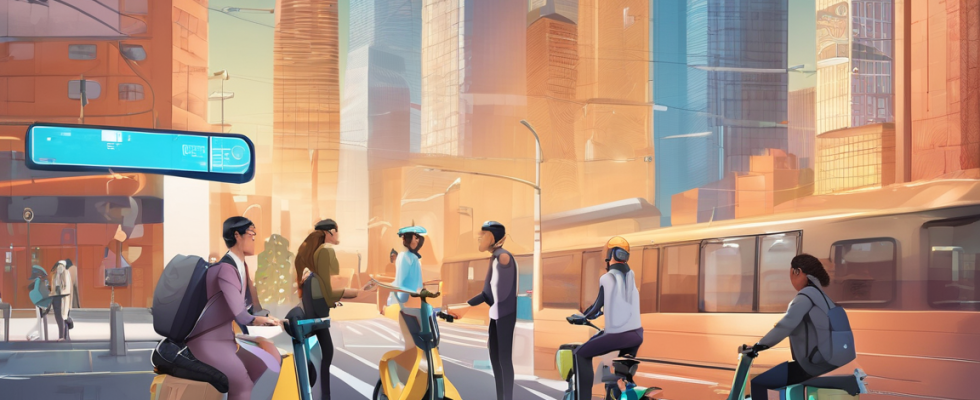
Micro-mobility technology is rapidly transforming urban transportation, offering innovative solutions for the modern commuter. As cities become more congested and the need for sustainable transportation grows, electric scooters and bikes have emerged as practical alternatives. This article explores the current trends, technological advancements, and future prospects of micro-mobility, specifically focusing on electric scooters and bikes.
Advertisements
The Rise of Micro-Mobility
Micro-mobility refers to a category of lightweight transportation options designed for short-distance travel. This includes electric scooters and bikes, which are becoming increasingly popular due to their convenience, affordability, and environmental benefits. The Center for the Future of Libraries highlights that micro-mobility offers an alternative to traditional transportation methods, helping to reduce traffic congestion and carbon emissions.
Popularity in Urban Areas
Urbanites are particularly drawn to micro-mobility solutions because they offer a flexible and efficient way to navigate crowded city streets. A study by the International Transport Forum reveals that shared e-scooters and bikes are preferred by many city dwellers for their convenience and ease of use. These vehicles enable users to bypass traffic, reduce travel time, and avoid the hassle of parking.
Technological Advancements
The future of micro-mobility is heavily influenced by technological innovations that enhance the functionality and user experience of electric scooters and bikes.
Battery Innovations
One of the most significant advancements in electric scooters and bikes is the improvement in battery technology. As noted by Bhive Moto Shop, future trends in micro-mobility include the development of more efficient and longer-lasting batteries. These advancements will enable users to travel longer distances on a single charge, increasing the practicality of electric scooters and bikes for daily commutes.
Smart Technology Integration
Smart technology is also playing a pivotal role in the evolution of micro-mobility. Features such as GPS tracking, app-based unlocking systems, and integrated safety lights are becoming standard in many electric scooters and bikes. These innovations not only enhance the user experience but also improve safety and security, making micro-mobility options more attractive to a broader audience.
Autonomous Capabilities
Looking ahead, autonomous technology is set to revolutionize the micro-mobility landscape. According to Modeshift, self-driving technology could enable e-scooters and small shuttles to operate autonomously, providing on-demand services. This development could drastically change how micro-mobility services are deployed, potentially reducing operating costs and increasing accessibility.
Infrastructure and Market Growth
The growth of micro-mobility is closely linked to the development of infrastructure that supports these vehicles. Cities across the United States are investing in bike lanes, charging stations, and parking areas dedicated to micro-mobility vehicles. This infrastructure is crucial for ensuring the safety and efficiency of electric scooters and bikes.
Market Expansion
The market for micro-mobility is expected to expand significantly in the coming years. With the rise in urban population and the increasing demand for sustainable transportation, the electric scooter and bike market is poised for substantial growth. This expansion is likely to attract more investment and innovation, further enhancing the capabilities of these vehicles.
The Environmental Impact
One of the most compelling reasons for the adoption of micro-mobility is its positive impact on the environment. Electric scooters and bikes produce zero emissions, making them an eco-friendly alternative to gasoline-powered vehicles. By reducing reliance on cars, micro-mobility can significantly decrease air pollution and greenhouse gas emissions in urban areas.
Supporting Sustainable Cities
Micro-mobility supports the development of sustainable cities by promoting cleaner transportation methods. This aligns with global efforts to combat climate change and create healthier living environments. As more people embrace electric scooters and bikes, cities can become less polluted and more pedestrian-friendly.
Challenges and Considerations
Despite the numerous benefits, the widespread adoption of micro-mobility faces several challenges. Safety concerns, regulatory issues, and the need for better infrastructure are some of the primary obstacles.
Safety Concerns
Safety is a major consideration for users of electric scooters and bikes. Accidents involving these vehicles have raised concerns about their safe integration into urban traffic systems. To address this, manufacturers are incorporating advanced safety features, and cities are implementing regulations to ensure the safe use of micro-mobility vehicles.
Regulatory Framework
The regulatory environment around micro-mobility is still evolving. Governments and municipalities are working to establish rules and guidelines that balance innovation with public safety. As the industry grows, it will be crucial to develop a comprehensive regulatory framework that supports the responsible use of electric scooters and bikes.
Conclusion
Micro-mobility technology is reshaping the future of urban transportation. Electric scooters and bikes offer a sustainable, efficient, and convenient alternative to traditional commuting methods. With ongoing technological advancements, supportive infrastructure development, and a growing market, the future of micro-mobility looks promising. As cities continue to adapt to the changing transportation landscape, electric scooters and bikes will play a vital role in creating cleaner, more efficient urban environments. The journey towards sustainable micro-mobility is just beginning, and its potential impact on society and the environment is profound.