

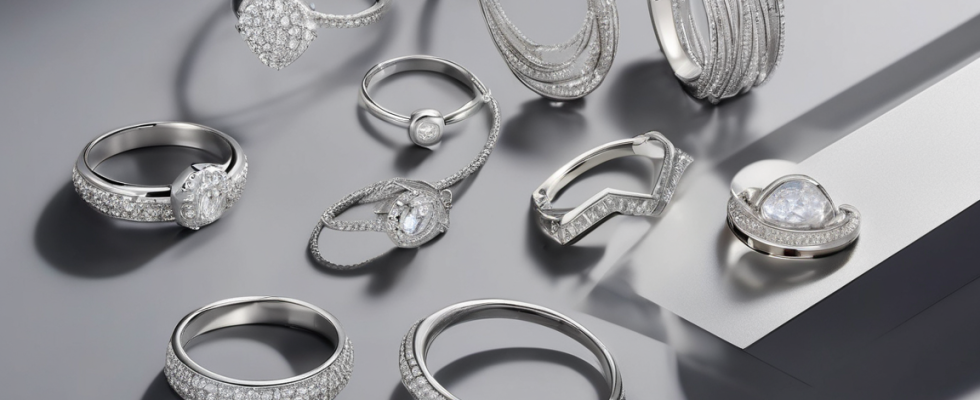
In recent years, the jewelry industry has witnessed a noticeable shift as silver begins to replace gold in many modern tech-inspired designs. This trend is driven by a combination of market dynamics, technological advancements, and changing consumer preferences. In this article, we will explore the reasons behind this strategic shift and how silver is carving its niche in the world of contemporary jewelry.
Advertisements
The Economic Appeal of Silver
One of the primary reasons for the growing popularity of silver over gold in jewelry is economic. With gold prices experiencing significant fluctuations and often soaring to new heights, silver presents a more affordable alternative for both consumers and designers. This affordability allows designers to experiment with larger and more intricate pieces without the prohibitive costs associated with gold.
Silver's economic appeal extends beyond just affordability. The gold-silver gap has widened amidst market turmoil and increased demand for precious metals in technology. As Rhona O'Connell, Head of Market Analysis at StoneX, highlights, the demand for silver in the tech industry is rising, further boosting its value proposition. This increasing demand is a key factor in silver's growing prominence in jewelry.
Silver's Versatility and Aesthetic Qualities
Silver's versatility is another factor contributing to its rise in modern jewelry design. Unlike gold, which carries a distinct yellow hue, silver's neutral, lustrous appearance lends itself to a broader range of design possibilities. It can seamlessly complement both contemporary and classic styles, making it an ideal choice for tech-inspired jewelry that often blends traditional craftsmanship with futuristic elements.
Additionally, silver's aesthetic qualities are enhanced by its ability to develop a unique patina over time. This natural evolution adds character and depth to jewelry pieces, allowing them to tell a story as they age. Many consumers appreciate this aspect of silver, seeing it as a reflection of authenticity and individuality.
Technological Advancements and Silver's Role
The integration of technology in jewelry design has further elevated the status of silver. Both gold and silver are excellent conductors of electricity, making them indispensable in the electronics industry. However, silver's superior conductivity and affordability make it a preferred choice for tech-inspired jewelry that incorporates electronic components or requires electrical connections.
With the rise of wearable technology, such as smartwatches and health-monitoring jewelry, silver is becoming increasingly relevant. These devices often require materials that can conduct electricity efficiently while maintaining a sleek, modern aesthetic—requirements that silver meets exceptionally well. As technology continues to advance, the demand for silver in these applications is expected to grow, solidifying its place in the jewelry industry.
Environmental and Ethical Considerations
As consumers become more environmentally conscious, the ethical sourcing of materials has become a critical consideration in purchasing decisions. Silver mining, compared to gold mining, typically has a lower environmental impact, making it a more sustainable choice for conscientious consumers. This growing awareness and demand for ethically sourced materials are driving jewelry designers to opt for silver over gold.
Moreover, the recycling of silver is more prevalent and efficient than that of gold. Recycling silver not only conserves natural resources but also reduces the carbon footprint associated with mining and processing new materials. This aligns with the increasing consumer preference for sustainable and eco-friendly products, further positioning silver as a favorable choice in modern jewelry.
Consumer Preferences and Fashion Trends
Fashion trends play a significant role in shaping the jewelry industry, and current trends are leaning heavily towards minimalist and tech-inspired designs. Silver, with its understated elegance and adaptability, fits perfectly into these trends. For centuries, silver has gleamed quietly alongside gold, often dismissed as a less prestigious option. However, its gracefulness and versatility are now being recognized and celebrated in the fashion world.
Silver's strong comeback in fashion is also influenced by its ability to be easily paired with other materials and gemstones, offering endless possibilities for unique and personalized designs. This flexibility resonates with consumers who seek jewelry that reflects their personal style and identity, further driving the shift towards silver.
Conclusion
The rise of silver in modern tech-inspired jewelry is a testament to its adaptability, economic advantages, and alignment with contemporary consumer values. As gold prices fluctuate and technology continues to shape our world, silver emerges as a compelling alternative that meets the demands of modern consumers and designers alike. Its versatility, superior conductivity, and lower environmental impact make it an ideal choice for the evolving landscape of jewelry design.
In conclusion, while gold will always hold a special place in the world of fine jewelry, silver is carving out its own niche, driven by both practical considerations and shifting aesthetic preferences. As we move forward, the role of silver in tech-inspired jewelry is likely to expand, offering exciting opportunities for innovation and creativity in the industry.