

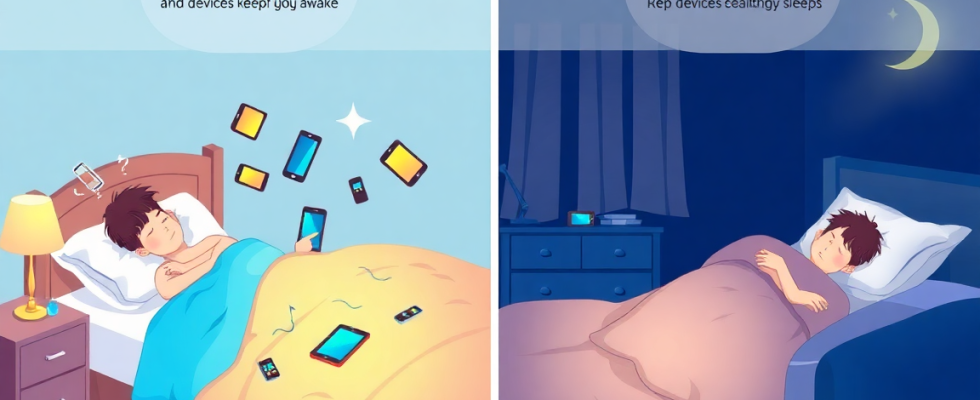
In today's fast-paced digital age, technology plays a pivotal role in our daily lives. From smartphones to tablets, these devices are essential for communication, entertainment, and even work. However, their prevalence also raises concerns, especially regarding their impact on sleep quality. This article explores the effects of technology on sleep and offers guidance on using sleep tech effectively without becoming addicted.
Advertisements
The Influence of Technology on Sleep
The relationship between technology and sleep is complex. According to research, the use of electronic devices at night can adversely impact sleep behavior, leading to sleep loss and irregular sleep-wake patterns. The blue light emitted by screens is known to interfere with the body's natural circadian rhythms, which can delay the release of sleep-inducing hormones like melatonin. This disruption can make it difficult to fall asleep and achieve restful sleep.
Bedtime Technology Use
The habit of using technology before bed has become increasingly common. Many people find themselves scrolling through social media, watching videos, or reading on their devices as part of their nightly routine. While these activities may seem harmless, they can have significant repercussions on sleep quality. The Sleep Health Foundation indicates that using a bright screen for 1.5 hours or more in the evening can increase alertness, making it harder to wind down and fall asleep. For instance, a person might watch a thrilling TV show right before bed, causing an adrenaline rush that delays sleep onset, or engage in stimulating online discussions that keep their mind active well into the night.
The Consequences of Sleep Deprivation
Chronic sleep deprivation is a widespread issue, exacerbated by excessive technology use. Lack of adequate sleep can lead to a host of health problems, including weakened immune function, impaired cognitive abilities, and increased risk of chronic diseases such as obesity and diabetes. Moreover, sleep deprivation can affect mood, leading to increased irritability and decreased motivation. For example, a student might find it difficult to concentrate in class after staying up late watching videos on their tablet, or an employee could struggle to perform tasks efficiently due to a lack of restful sleep.
How Sleep Tech Can Help
Despite the negative impact of general technology use, advancements in sleep technology have the potential to improve sleep quality. These innovations range from apps that track sleep patterns to devices that help regulate sleep environments. However, it's crucial to use these tools wisely to avoid dependency and addiction.
Sleep Tracking Apps
Sleep tracking apps have gained popularity for their ability to monitor sleep patterns and provide insights into sleep quality. These apps use sound recordings and motion sensors to analyze sleep stages, helping users identify issues such as snoring or sleep apnea. By understanding sleep patterns, individuals can make informed decisions about their sleep hygiene and habits. For example, if an app reveals frequent awakenings during the night, a user might decide to adjust their bedtime routine or seek medical advice to address potential sleep disorders.
Smart Sleep Devices
Smart sleep devices, such as white noise machines or smart mattresses, can create an optimal sleep environment. These devices often include features like temperature regulation, gentle alarms, and ambient noise control, all designed to facilitate a better night's sleep. However, it's important to ensure these devices are used as tools for enhancement rather than replacements for healthy sleep practices. For instance, a smart mattress that adjusts firmness throughout the night can complement traditional sleep hygiene practices like maintaining a regular sleep schedule.
Establishing Healthy Sleep Hygiene
To effectively use sleep tech without becoming addicted, it's essential to establish healthy sleep hygiene practices. This involves creating a conducive sleep environment and routine that supports restful sleep. Consider the following tips:
Limit Screen Time Before Bed
Reducing screen time at least an hour before bed can help minimize blue light exposure and its impact on melatonin production. Instead, engage in relaxing activities such as reading a physical book or practicing meditation. For example, choosing a soothing novel over an action-packed movie can calm the mind and prepare it for rest.
Set a Consistent Sleep Schedule
Going to bed and waking up at the same time every day helps regulate the body's internal clock. Consistency reinforces your natural sleep-wake cycle, making it easier to fall asleep and wake up refreshed. Even on weekends, maintaining a regular schedule can prevent the grogginess often associated with "social jetlag."
Create a Relaxing Bedtime Routine
Incorporate calming activities into your nighttime routine, such as taking a warm bath, practicing deep breathing exercises, or listening to soothing music. These activities signal to your body that it's time to wind down. For instance, a warm bath can relax tense muscles, while soft music can ease the transition from wakefulness to sleep.
Conclusion
Technology has undeniably transformed the way we live, but its impact on sleep should not be overlooked. While electronic devices can disrupt sleep patterns, sleep tech offers tools to enhance sleep quality when used appropriately. By adopting healthy sleep hygiene practices and integrating sleep technology mindfully, individuals can improve their sleep without falling into the trap of addiction. Prioritizing restful sleep is essential for overall health and well-being, enabling us to navigate the digital world with clarity and energy.
By understanding the balance between technology usage and sleep, we can harness the benefits of sleep tech while safeguarding our sleep health. In the end, the key lies in moderation and mindfulness, ensuring technology serves as a tool for well-being rather than a source of sleep disruption.