

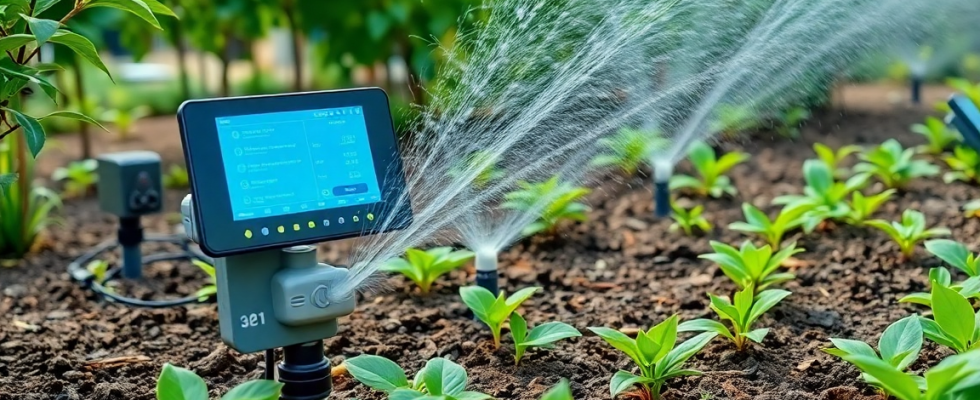
In recent years, the importance of water conservation has become increasingly apparent, particularly in the face of climate change and depleting water resources. Smart irrigation systems have emerged as a groundbreaking solution in modern gardens, offering a way to save water while maintaining lush and healthy landscapes. This article explores how smart irrigation systems work, their benefits, and their role in promoting sustainable water use.
Advertisements
Understanding Smart Irrigation Systems
Smart irrigation systems leverage advanced technology to optimize water usage in gardens and agricultural settings. Unlike traditional systems that operate on a fixed schedule, smart irrigation systems use real-time data to adjust watering schedules based on various environmental factors. These systems typically involve smart irrigation controllers, soil moisture sensors, and weather-based sensors to ensure optimal water use.
Smart Irrigation Controllers
At the heart of smart irrigation systems are smart irrigation controllers. These devices replace traditional timers and are capable of adjusting watering schedules automatically. They use real-time weather data, such as temperature, humidity, and rainfall, to determine the precise amount of water needed. This adaptability not only conserves water but also ensures that plants receive the right amount of hydration, promoting healthier growth.
Soil Moisture Sensors
Soil moisture sensors are another critical component of smart irrigation systems. These sensors measure the moisture content in the soil and relay this information to the irrigation controller. By doing so, they ensure that the system waters the garden only when necessary. This prevents overwatering, which can lead to plant diseases and water wastage, and under-watering, which can harm plant health.
Benefits of Smart Irrigation Systems
Implementing smart irrigation systems offers numerous advantages, particularly in terms of water conservation and plant health.
Water Conservation
Smart irrigation systems can significantly reduce water usage by tailoring watering schedules to the specific needs of the garden. According to research, these systems can result in water savings of 10% to 40% in agricultural settings, depending on the crop type. By using water more efficiently, smart irrigation systems help to conserve this precious resource, supporting broader environmental conservation efforts.
Enhanced Plant Health
By providing the right amount of water at the right time, smart irrigation systems contribute to healthier plants. Overwatering and under-watering are common issues in traditional irrigation that can stress plants and lead to poor growth. Smart systems mitigate these issues by ensuring that each plant receives the optimal amount of water, promoting vibrant and robust plant life.
Cost Savings
While the initial investment in smart irrigation systems may be higher than traditional systems, they offer long-term cost savings. By reducing water usage, homeowners and farmers can lower their water bills significantly. Additionally, healthier plants mean less money spent on plant replacement and maintenance.
Smart Irrigation in Agricultural Settings
The agricultural sector stands to benefit significantly from smart irrigation technologies. Precision irrigation systems can greatly boost water use efficiency, allowing farmers to conserve water, increase agricultural yields, and lessen their environmental impact. In a world where water scarcity is a growing concern, smart irrigation systems offer a sustainable solution to ensuring food security and agricultural sustainability.
Weather-Based Adjustments
Weather-based irrigation systems, a subset of smart irrigation technologies, collect real-time weather data to adjust watering schedules based on daily evapotranspiration rates. This means that irrigation is automatically reduced during rainy periods and increased during dry spells, ensuring that crops receive the optimal amount of water throughout their growth cycles.
The Future of Smart Irrigation
As technology continues to advance, the capabilities of smart irrigation systems are expected to expand. Integration with smart home systems, the use of artificial intelligence to predict watering needs, and advancements in sensor technology are just a few of the developments on the horizon. These innovations promise to make smart irrigation systems even more effective and accessible to a wider audience.
Supporting Global Conservation Efforts
Smart irrigation systems not only benefit individual users but also play a critical role in global conservation efforts. By reducing water wastage and optimizing water use, these systems contribute to the sustainability of water resources worldwide. This is particularly important in regions prone to droughts and water shortages.
Conclusion
Smart irrigation systems represent a significant advancement in water conservation technology, offering a sustainable solution for both residential and agricultural applications. By utilizing real-time data and advanced sensors, these systems optimize water use, resulting in significant water savings and healthier plants. As the global demand for water continues to rise, smart irrigation systems will play an increasingly vital role in promoting sustainable water management practices. Embracing this technology not only benefits individual gardens and farms but also contributes to broader environmental conservation efforts, making it an essential component of modern, eco-friendly landscaping solutions.