

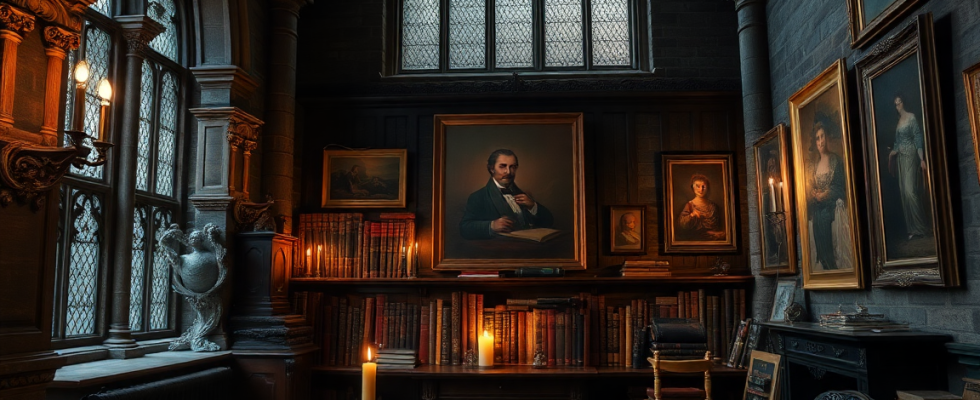
In recent years, the "Dark Academia" aesthetic has emerged as a dominant force in literature and popular culture. This unique blend of gothic influences, academic pursuits, and nostalgic romanticism has captivated a diverse audience, sparking interest and debate across various media platforms. But what exactly is Dark Academia, and why has it become such an influential aesthetic in literature?
Advertisements
Understanding the Dark Academia Aesthetic
Dark Academia is a literary and internet aesthetic that revolves around themes of higher education, the arts, and literature, often portraying these through an idealized lens. Although it isn't an officially recognized book genre, its influence permeates many literary works, especially those focusing on the complexities of academic life and the romanticism of intellectual pursuits.
Origins and Influences
The origins of Dark Academia can be traced back to a fascination with gothic literature, classic art, and the pursuit of knowledge. Common trends in this aesthetic include a focus on gothic or Greek architecture, old books, calligraphy, writing or poetry, and the arts. These elements create a rich tapestry that evokes a sense of nostalgia for a bygone era of learning and intellectual exploration.
The Appeal of Dark Academia
One of the key reasons for the popularity of Dark Academia in literature is its ability to evoke nostalgia and escapism. Many people are drawn to the aesthetic because it reminds them of the romanticized version of academia, complete with ivy-covered buildings, candlelit libraries, and the pursuit of knowledge for its own sake. This longing for a simpler, more intellectually fulfilling time resonates with readers who seek an escape from the modern world.
Thematic Elements of Dark Academia
Dark Academia is not just about aesthetics; it also delves into deep thematic elements that resonate with readers on multiple levels. These themes often explore the darker side of academic life, including elitism, mental health struggles, and the pressure to succeed.
Elitism and Academia
A central theme in many Dark Academia narratives is the critique of elitism within academic institutions. This is often portrayed through characters who are driven to madness by the relentless pursuit of perfection and acceptance within exclusive academic circles. This bloodstained critique serves as a cautionary tale about the dangers of prioritizing status over personal well-being.
Exploration of Mortality
Dark Academia frequently explores themes of mortality and the macabre. This exploration is not just for shock value; it serves to challenge readers to reflect on the transient nature of life and the pursuit of knowledge. By engaging with these themes, literature within this aesthetic can provoke deep philosophical contemplation and discussion.
Dark Academia and Modern Literature
The influence of Dark Academia in modern literature is evident in the growing number of novels and stories that embrace its aesthetic and themes. Authors are increasingly drawn to this style as it offers a rich framework for storytelling that combines mystery, romance, and intellectual exploration.
Notable Works and Authors
Some notable works that capture the essence of Dark Academia include Donna Tartt's "The Secret History," which is often credited with popularizing the aesthetic in contemporary literature. Other authors, such as M.L. Rio with "If We Were Villains," and Leigh Bardugo's "Ninth House," have also contributed to the genre, weaving intricate tales that explore the complexities of academic life and the darker aspects of human nature.
The Role of Social Media
Social media platforms have played a significant role in the proliferation of the Dark Academia aesthetic. Communities on platforms like Tumblr, Instagram, and Reddit have provided spaces for enthusiasts to share and discuss literature, fashion, and media that embody the aesthetic. This online discourse has helped solidify Dark Academia's presence in the cultural zeitgeist, encouraging more writers to explore its themes in their work.
The Future of Dark Academia
As Dark Academia continues to evolve, it remains to be seen how it will adapt to changing cultural and literary trends. However, its core themes of intellectual pursuit, nostalgia, and the critique of elitism suggest that it will remain relevant for years to come.
Potential Developments
Moving forward, Dark Academia may incorporate more diverse perspectives and voices, reflecting a broader range of experiences within academic environments. This inclusivity could enrich the aesthetic, making it more relatable and appealing to a wider audience.
Conclusion
In conclusion, Dark Academia's rise as the most popular aesthetic in literature can be attributed to its unique blend of nostalgia, intellectual exploration, and critique of academic elitism. By offering readers an escape into a romanticized world of learning and contemplation, it has captured the imagination of many and continues to inspire writers and readers alike. As it evolves and adapts, Dark Academia's influence on literature is likely to endure, providing a rich and compelling framework for storytelling in the modern age.