

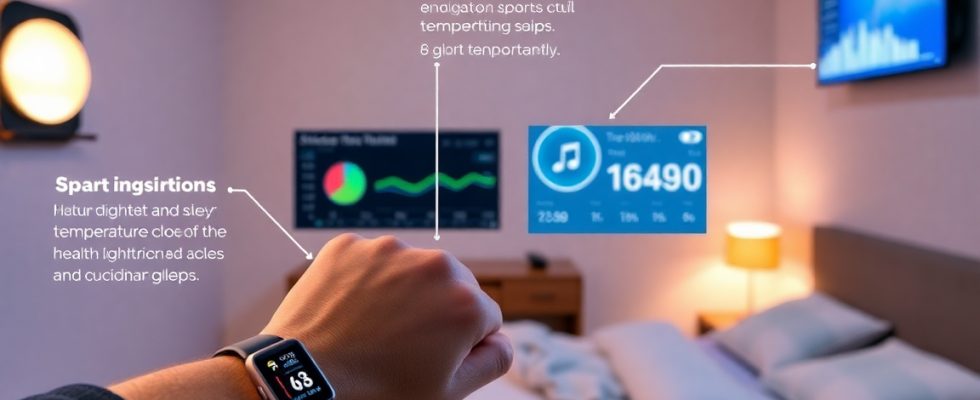
In recent years, bio-hacking has emerged as a popular trend, significantly influencing how individuals approach health and wellness. Particularly, bio-hacking technology offers intriguing ways to optimize your circadian rhythm, the internal clock that governs your sleep-wake cycle. This article explores the latest devices designed to enhance your circadian rhythm, leading to deeper sleep and smarter recovery.
Advertisements
Understanding the Circadian Rhythm
Before delving into the technology, it's essential to understand the circadian rhythm. This natural, internal process regulates the sleep-wake cycle and repeats roughly every 24 hours. It influences various bodily functions, including hormone release, eating habits, digestion, and body temperature. Disruptions in the circadian rhythm can lead to sleep disorders, mood disturbances, and chronic health issues, such as increased risk of cardiovascular diseases and metabolic syndromes. Additionally, maintaining a healthy circadian rhythm is crucial for cognitive functions, memory, and emotional health.
The Role of Bio-Hacking Technology
Bio-hacking technology has made it easier to monitor and optimize the circadian rhythm. With advancements in wearable tech and smart home devices, bio-hacking has become more accessible than ever before. These innovations allow individuals to track their biological signals and make data-driven decisions to improve their overall health. By leveraging data collected from these devices, users can tailor their daily routines to align with their body's natural rhythms, potentially boosting their productivity, focus, and energy levels throughout the day.
Wearable Devices
Wearable devices are at the forefront of bio-hacking technology. Brands like Apple, Fitbit, Oura, Galaxy, and Garmin offer high-quality sleep tracking technology that provides insights into your sleep patterns. These devices monitor heart rate, movement, and even blood oxygen levels to offer a comprehensive view of your sleep quality. Users can receive personalized feedback and suggestions on improving their sleep hygiene, making these devices invaluable tools for anyone looking to optimize their rest.
Apple Watch and Fitbit
Apple Watch and Fitbit are popular options that not only track sleep but also provide insights into daily activity levels, heart rate, and calorie expenditure. They offer features such as sleep stages tracking, which breaks down sleep into REM, light, and deep stages, helping users understand their sleep quality. Both devices can also remind users to stand up, move around, and even practice mindfulness through breathing exercises, which can further support a balanced circadian rhythm.
Oura Ring
The Oura Ring is another innovative device focusing on optimizing sleep. It provides detailed data on sleep stages, heart rate variability (HRV), and body temperature. Its user-friendly app helps individuals make informed decisions about their sleep habits. The ring’s compact design makes it convenient for continuous wear, allowing for the collection of accurate long-term data that can reveal trends and patterns in sleep behavior over time.
Smart Home Technologies
Smart home technologies have revolutionized the way we approach sleep optimization. These devices integrate with your living environment to create conditions conducive to restful sleep.
Circadian Lighting
Circadian lighting is designed to mimic natural light cycles, supporting your body's internal clock. These lighting systems adjust the intensity and color temperature of light to align with the time of day, promoting alertness during the day and relaxation in the evening. For example, gradually dimming lights in the hours leading up to bedtime can signal the body to produce more melatonin, preparing you for a night of restful sleep.
Chromotherapy
Chromotherapy, or color therapy, uses colored light to promote physical and mental well-being. This technology can be integrated into smart home systems to create a calming bedtime routine, potentially improving sleep quality. Certain colors, like blue and green, are believed to have calming effects, which can be especially beneficial in creating a soothing atmosphere conducive to falling asleep more quickly.
Other Bio-Hacking Innovations
Beyond wearable and smart home technologies, other bio-hacking innovations contribute to circadian rhythm optimization.
Blue Light Blocking Glasses
Exposure to blue light from screens can disrupt the production of melatonin, a hormone that regulates sleep. Blue light blocking glasses filter out harmful wavelengths, reducing eye strain and promoting better sleep. By wearing these glasses in the evening, you can mitigate the negative effects of late-night screen time, allowing your body to transition more naturally into sleep mode.
Sleep Apps
Sleep apps provide a wide range of resources to improve sleep quality. These apps offer guided meditations, relaxation exercises, and sleep sounds to help users unwind before bedtime. Many apps also include features for tracking sleep patterns and offering personalized tips for improving sleep duration and quality, making them a versatile addition to any bio-hacking toolkit.
Practical Tips for Bio-Hacking Your Sleep
While technology plays a significant role in optimizing the circadian rhythm, lifestyle changes are equally important. Here are some practical tips to complement your bio-hacking efforts:
Consistent Sleep Schedule: Aim to go to bed and wake up at the same time every day, even on weekends, to reinforce your body's natural sleep-wake cycle. This consistency helps regulate your internal clock and can make falling asleep and waking up significantly easier.
Limit Screen Time: Turn off digital devices at least 60 minutes before bedtime to minimize exposure to blue light and prepare your mind for sleep. Consider engaging in relaxing activities such as reading, journaling, or taking a warm bath during this time.
Create a Relaxing Sleep Environment: Ensure your bedroom is cool, dark, and quiet. Consider using blackout curtains, white noise machines, or earplugs to minimize disturbances. A comfortable mattress and pillow can also make a significant difference in sleep quality.
Mindful Caffeine Consumption: Avoid caffeine in the afternoon and evening as it can interfere with your ability to fall asleep. Opt for caffeine-free alternatives, like herbal teas, if you need a warm beverage later in the day.
Exercise Regularly: Regular physical activity can improve sleep quality, but try to avoid vigorous exercise close to bedtime. Engaging in light stretching or yoga in the evening can be a calming way to unwind and prepare your body for rest.
Conclusion
Bio-hacking technology offers exciting opportunities to optimize your circadian rhythm and improve your overall health. By integrating wearable devices, smart home technologies, and lifestyle changes, you can achieve deeper sleep and smarter recovery. As technology continues to evolve, the possibilities for enhancing our biological rhythms are limitless. Whether you're a seasoned bio-hacker or just beginning your journey, these tools and tips can help you take control of your sleep and well-being. With a commitment to understanding and nurturing your circadian rhythm, you can pave the way towards a healthier, more balanced life.