

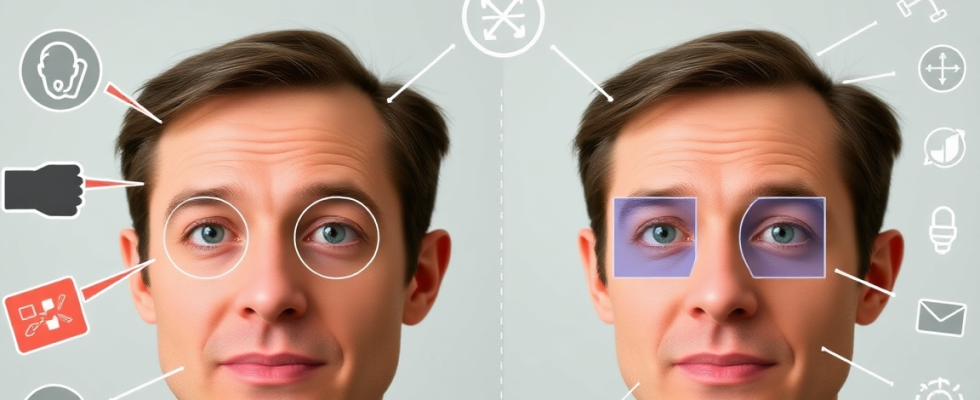
In today’s digital age, the proliferation of artificial intelligence has given rise to deepfakes, a form of manipulated media that blurs the line between reality and fiction. These AI-generated videos and images are so convincing that they pose significant ethical challenges and demand a keen eye to differentiate them from authentic content. Understanding the ethics of AI deepfakes and learning how to spot manipulated media in seconds is crucial for maintaining the integrity of information in the United States.
Advertisements
Understanding Deepfakes
Deepfakes are a product of deep learning algorithms that can create hyper-realistic digital content. By using AI models, such as Generative Adversarial Networks (GANs), deepfakes can superimpose faces, alter voices, and even generate entire videos that depict events that never occurred. While this technology has potential applications in entertainment and media, it also raises ethical concerns when used maliciously.
The technology behind deepfakes relies on vast amounts of data to train AI models to mimic human features and expressions accurately. This requires sophisticated computational power, often making deepfakes indistinguishable from real footage to the untrained eye. For example, a celebrity's face can be seamlessly grafted onto another individual's body, creating a video that appears authentic but is entirely fabricated. Such capabilities challenge our perceptions of authenticity and reality, highlighting the need for vigilance and technological countermeasures.
The Ethical Implications
The ethical implications of deepfakes are profound. At their core, deepfakes challenge the notion of truth and trust in digital media. When realistic but false representations are disseminated, they can undermine public trust in media, exacerbate misinformation, and damage reputations. This makes it essential for individuals and organizations to recognize and address the ethical concerns posed by deepfakes.
One of the main ethical issues is consent. Individuals whose likenesses are used in deepfakes often have not given permission, raising concerns about privacy and identity rights. Moreover, deepfakes can be weaponized for political manipulation, creating false narratives and potentially influencing public opinion and elections. For instance, a fabricated video of a political figure making controversial statements can spread rapidly online, affecting voter perceptions and altering the course of democratic processes.
Deepfakes also complicate legal accountability. Determining the origin and intent behind a deepfake can be challenging, making it difficult to hold creators responsible for the damage caused. This lack of accountability raises questions about the adequacy of current laws in addressing the unique challenges posed by deepfakes.
Spotting Manipulated Media
Given the sophisticated nature of deepfakes, detecting them can be challenging. However, there are several strategies and tools that the general public can use to identify manipulated media effectively.
Analyzing Visual and Auditory Clues
One of the primary methods for spotting deepfakes is through careful analysis of visual and auditory clues. Deepfake videos often exhibit subtle inconsistencies that can betray their artificial nature. For instance, look for unnatural eye movements, inconsistent lip-syncing, and irregular shadows or lighting. These visual anomalies can indicate that the content has been manipulated. In some cases, the subject's face may appear unusually smooth or lack realistic textures, which can serve as another red flag.
Auditory analysis is equally important. Deepfake technology can alter voices to match the visual manipulation, but discrepancies in audio quality or unnatural speech patterns can be telltale signs of deception. Listening carefully to the consistency of sound and speech can help identify manipulated audio. Variations in tone, pitch, or the presence of unnatural pauses may suggest that the audio track has been digitally altered.
Utilizing Technology
As deepfake technology evolves, so too do the tools for detecting them. Several AI-driven applications and software are available to help spot deepfakes. These tools analyze metadata, pixel inconsistencies, and other digital footprints that may be invisible to the human eye. For instance, some software can detect the absence of digital artifacts that usually occur in authentic videos.
Organizations like MIT's Detect Fakes project are dedicated to developing techniques to counteract AI-generated misinformation. These initiatives aim to equip individuals with the necessary tools to discern truth from deepfake content, thereby mitigating the harmful effects of manipulated media. Researchers are continually refining these detection methods to stay ahead of deepfake creators, ensuring that detection technology is as advanced as the manipulation techniques themselves.
The Role of Education
Education plays a crucial role in empowering individuals to recognize and respond to deepfakes. According to UNESCO, as deepfakes blur reality, education must extend beyond mere detection. It should teach people to navigate the complexities of truth, knowledge, and AI-mediated uncertainty.
Educational programs can raise awareness about the existence and implications of deepfakes, providing critical thinking skills that enable people to question and verify the authenticity of digital content. By fostering a culture of skepticism and vigilance, education can help mitigate the spread of misinformation. Schools and universities can integrate media literacy into their curricula, preparing students to face the challenges of a digital world where truth is increasingly difficult to discern.
Public Awareness Campaigns
In addition to formal education, public awareness campaigns can be instrumental in combating the influence of deepfakes. These campaigns can inform the public about the risks associated with manipulated media and provide practical tips for spotting deepfakes. By engaging with diverse communities, these initiatives can promote digital literacy and resilience against misinformation. Governments, non-profits, and tech companies can collaborate to launch campaigns that emphasize the importance of verifying information before sharing it on social media platforms.
Conclusion
The rise of deepfakes poses significant ethical and practical challenges in the digital landscape. As manipulated media becomes more prevalent, it is imperative that individuals and organizations develop the skills and tools necessary to detect and counteract deepfakes. By understanding the ethical implications and employing strategies to spot manipulated media, we can protect the integrity of information and maintain public trust.
Ultimately, the responsibility lies with both technology developers and consumers to ensure that AI is used ethically and responsibly. By fostering a culture of awareness and education, we can navigate the complexities of AI deepfakes and safeguard the truth in our digital world. It is crucial that we remain vigilant and proactive, ensuring that advances in technology serve the public good rather than undermine it.