

Introduction
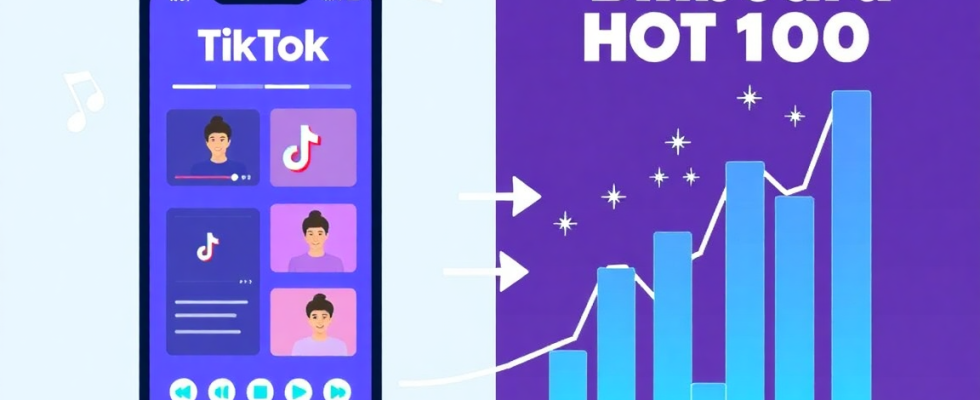
The advent of TikTok has revolutionized the music industry, creating a dynamic platform where music trends rapidly come and go, influencing millions globally. TikTok, a short-form video app, has become a crucial player in promoting artists and songs, significantly impacting the Billboard Hot 100 charts. This article explores how TikTok trends are shaping music consumption and influencing chart success, with a particular focus on the United States.
Advertisements
TikTok's Role in Music Discovery
TikTok has emerged as a powerful tool for music discovery. According to a study by MRC Data in July 2021, 67% of TikTok users are more inclined to search for songs on digital streaming platforms after hearing them on TikTok. This behavior demonstrates the platform's ability to drive listeners towards discovering and streaming new music, a key factor in determining Billboard Hot 100 rankings.
The app's algorithm curates content that resonates with users, often propelling songs into viral status. Once a song becomes a trend, users worldwide engage with it by creating their own videos, further amplifying its reach. This viral momentum can catapult a track from obscurity to mainstream success, often translating into higher streaming numbers and chart performance.
Viral Trends and the Billboard Hot 100
The Billboard Hot 100 charts are a reflection of a song's popularity in the United States, measured through sales, radio play, and online streaming. TikTok has become an influential force in this equation, with many viral songs making their way onto the charts. An analysis from Music Business Worldwide revealed that 84% of the songs that entered Billboard's Global 200 chart last year first went viral on TikTok. This statistic underscores the platform's pivotal role in shaping music charts.
The trends on TikTok can also resurface older tracks, giving them a new lease on life. Songs from previous decades have seen a resurgence in popularity due to TikTok trends, as users apply them to modern contexts or challenges, leading to renewed interest and chart success.
Case Studies of TikTok-Driven Chart Success
Several notable examples highlight TikTok's impact on the Billboard Hot 100. Take, for instance, the case of Lil Nas X's "Old Town Road." The song went viral on TikTok before dominating the Billboard Hot 100 for a record-breaking 19 weeks. This success was largely attributed to the song's catchiness and the meme-worthy content it inspired on TikTok.
Similarly, Doja Cat's "Say So" gained immense popularity on TikTok before climbing to the top of the charts. The song's dance challenge became a viral sensation, with millions of users participating, which directly contributed to its commercial success.
TikTok and Independent Artists
TikTok has not only amplified established artists but also turned independent, unsigned musicians into chart-topping stars. The platform's democratized nature allows artists to reach a vast audience without the backing of major record labels. As reported by Obscure Sound, TikTok has been instrumental in launching the careers of many independent artists, providing them with unprecedented exposure.
For instance, the song "Stunnin'" by Curtis Waters became a viral hit on TikTok, leading to a record deal and significant chart presence. Such cases exemplify how TikTok can level the playing field for emerging artists, offering them a platform to showcase their talent and achieve success on the Billboard Hot 100.
Challenges and Criticisms
Despite its positive impact, the influence of TikTok on music charts is not without criticism. Some industry insiders argue that the platform's focus on short, catchy hooks may encourage a shift towards creating music that prioritizes viral potential over artistic depth. Additionally, the fleeting nature of TikTok trends can make it challenging for artists to maintain long-term success, as songs can quickly fall out of favor.
Moreover, the reliance on TikTok for chart success raises questions about the sustainability of this model. As trends evolve rapidly, artists and record labels must continually adapt their strategies to keep up with the platform's dynamic landscape.
Conclusion
In conclusion, TikTok has fundamentally altered the way music is promoted, discovered, and consumed, with significant implications for the Billboard Hot 100. The platform's ability to create viral trends has democratized music promotion, providing both established and emerging artists with opportunities for chart success. However, the rapid turnover of trends presents challenges that artists and industry stakeholders must navigate to sustain success.
As TikTok continues to evolve, its role in shaping the music industry and influencing the Billboard Hot 100 will undoubtedly expand. For music fans and industry professionals alike, understanding the impact of TikTok trends is crucial for navigating the ever-changing landscape of music consumption in the digital age.