

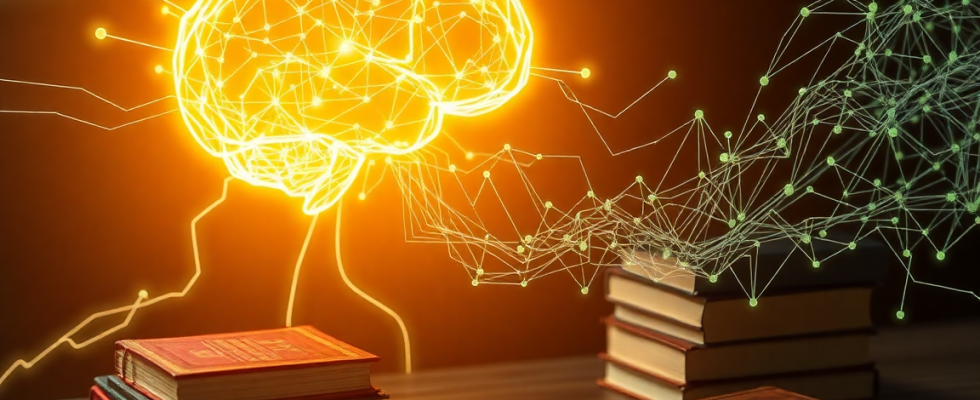
Artificial Intelligence (AI) has been revolutionizing various industries, and the realm of creative writing is no exception. As we delve into the intricacies of AI in creative writing, it is essential to consider whether algorithms can truly master storytelling. This topic raises profound questions about the nature of creativity and the potential limitations of AI in replicating human thought processes.
Advertisements
The Intersection of AI and Creative Writing
Artificial intelligence, with its capacity to process vast amounts of data and recognize patterns, has found its way into creative writing. Today, AI can generate text in different styles, mimicking the works of past great writers with remarkable accuracy. This capability has led to the development of tools that assist writers in brainstorming ideas, developing characters, and even generating entire narratives. AI's role in creative writing is not to replace human creativity but to enhance it, offering new perspectives and possibilities.
How AI is Transforming Storytelling
The transformation AI brings to storytelling is multifaceted. Algorithms are adept at detecting patterns, which can be harnessed to craft compelling narratives. For instance, AI can analyze what makes a character interesting or a plot engaging by examining countless examples from literature. This capability allows AI to suggest narrative structures or character developments that align with successful storytelling techniques.
Moreover, AI can serve as a creative partner, helping writers overcome blocks and explore new narrative paths. By generating prompts or alternative plotlines, AI encourages writers to think beyond their usual patterns, fostering innovation and creativity. Through this partnership, AI and human writers can collaboratively push the boundaries of traditional storytelling.
Challenges and Limitations of AI in Storytelling
Despite its potential, AI faces significant challenges in mastering storytelling. One of the key issues is the inherent nature of creativity itself. Julia Cameron, a renowned American writer, argues in her book "The Artist's Way" that creativity is not an unlimited resource. This notion highlights the complexity and depth of human creativity, which AI might struggle to replicate fully.
AI's reliance on pre-existing data is another limitation. While algorithms can mimic styles and generate text based on vast datasets, they lack the ability to create genuinely original ideas. Human writers draw inspiration from personal experiences, emotions, and cultural contexts—elements that AI cannot authentically replicate. This limitation raises questions about the originality and authenticity of AI-generated content.
Furthermore, AI-generated narratives often lack the emotional depth and nuance that characterize human storytelling. The subtleties of human emotions and the ability to convey them through language are areas where AI still falls short. As storytelling is fundamentally about connecting with readers on an emotional level, this limitation is significant.
Ethical Considerations
The integration of AI into creative writing also brings forth ethical considerations. The question of authorship becomes increasingly complex when AI contributes to the writing process. Who should be credited when a story is co-authored by an AI? Additionally, there is the potential for AI to perpetuate biases present in the data it is trained on, leading to narratives that unintentionally reinforce stereotypes or exclude diverse perspectives.
Ethical guidelines and frameworks are necessary to navigate these challenges, ensuring that AI is used responsibly in creative writing. Transparency about AI's role in the writing process and the data it uses is crucial to maintain trust and integrity in the literary world.
The Future of AI and Storytelling
The future of writing is likely to be a collaborative effort between humans and AI. AI has the potential to become an invaluable tool in the creative writing process, saving time on routine tasks such as drafting captions, product descriptions, or customer support responses. However, the reaffirmation of human authorship remains paramount.
As AI technology continues to evolve, it is essential to recognize its role as a complement to human creativity, rather than a replacement. The unique insights, emotions, and experiences that humans bring to storytelling are irreplaceable. By leveraging AI's analytical capabilities, writers can explore new creative avenues while maintaining the essence of human storytelling.
Conclusion
In conclusion, while AI has made significant strides in creative writing, the question remains whether algorithms can truly master storytelling. AI's ability to generate text and assist in the writing process is undeniable, offering new tools and perspectives to writers. However, the essence of storytelling—its emotional depth, originality, and human connection—remains firmly rooted in the human experience.
AI's role in creative writing is best viewed as a partnership, where algorithms enhance and support human creativity. As we continue to explore the possibilities of AI in storytelling, it is crucial to uphold the values of creativity, authenticity, and diversity, ensuring that the art of storytelling remains a fundamentally human endeavor.