

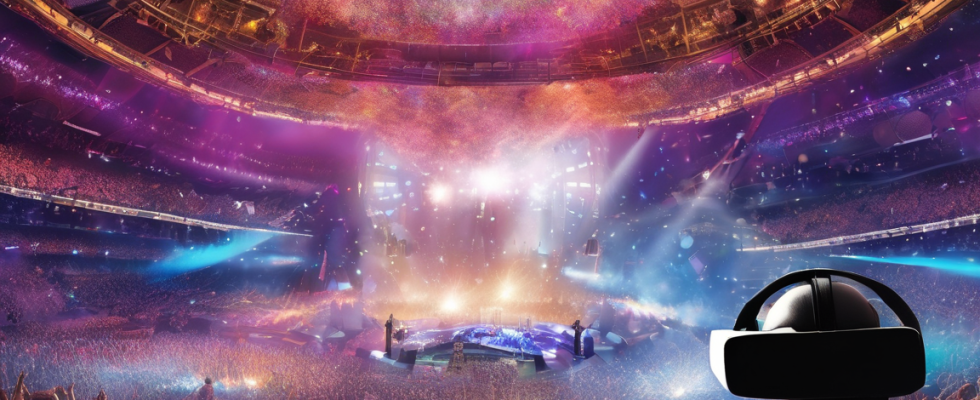
The landscape of live concerts is undergoing a significant transformation, with new technologies reshaping how audiences experience music. Two prominent formats are emerging: Virtual Reality (VR) tours and traditional stadium shows. Each offers unique benefits and challenges, sparking a widespread debate about the future of live concerts. This article will explore both options, examining their impact on the music industry and audience experiences.
Advertisements
The Rise of VR Concerts
Virtual Reality concerts are rapidly gaining traction as a new way for fans to experience live music. According to current research, 70% of individuals surveyed believe that VR concerts represent the future of the music industry, primarily due to their accessibility (source: pmc.ncbi.nlm.nih.gov). VR technology allows fans to attend concerts from anywhere in the world, breaking down geographical barriers and enabling artists to reach a global audience.
Accessibility and Audience Reach
One of the most significant advantages of VR concerts is accessibility. Traditional concerts often require travel, accommodation, and expensive ticket prices, which can be prohibitive for many fans. VR concerts, on the other hand, eliminate these barriers. Fans can experience a live performance from their living room, providing an affordable and convenient alternative to traditional events.
Additionally, VR concerts offer the potential for artists to perform to a virtually unlimited audience size. Unlike stadium shows, which are constrained by physical space, VR concerts can host millions of fans simultaneously, providing a lucrative opportunity for artists and promoters.
Enhanced Interactivity and Immersion
Another compelling aspect of VR concerts is the level of interactivity and immersion they offer. Fans can enjoy a 360-degree view of the performance, offering a more intimate experience than a traditional concert. VR technology also allows for interactive elements, such as choosing camera angles or engaging with virtual environments, enhancing the overall concert experience.
However, despite these benefits, the adoption of VR concerts faces challenges. Many potential users are hesitant due to the cost of VR headsets and the learning curve associated with new technology. To address this, some VR tours organize events in theaters, where fans are provided with headsets, offering a more accessible entry point to this innovative format (source: amt-lab.org).
The Enduring Appeal of Stadium Shows
While VR concerts offer exciting possibilities, traditional stadium shows remain a cornerstone of the live music experience. These events provide a sense of community and shared experience that is difficult to replicate in a virtual environment.
The Power of Shared Experience
Stadium shows are known for their electric atmosphere, with thousands of fans coming together to celebrate their favorite artists. The crowd's energy, the spectacle of the stage production, and the collective experience of singing along to popular hits create a unique and memorable event. This social aspect is a significant draw for many concertgoers, who value the camaraderie and excitement of a live performance.
Artistic Expression and Production
Stadium concerts also provide artists with a platform to showcase their creativity through elaborate stage designs, lighting, and special effects. These elements contribute to the grandeur of a live performance, offering fans a multisensory experience that is difficult to replicate in a virtual setting.
However, stadium shows are not without their drawbacks. The cost of attending can be high, and logistical challenges such as travel, accommodation, and securing tickets can deter fans. Additionally, these events are typically limited to specific locations and times, restricting access for fans who cannot attend in person.
The Emergence of Hybrid Concerts
In response to the evolving landscape of live music, hybrid concerts are emerging as a new trend, blending physical and virtual experiences. These events aim to combine the best of both worlds, offering the interactivity and accessibility of VR with the communal atmosphere of a live show (source: solomonpartners.com).
Hybrid concerts can expand the reach of traditional events, allowing fans who cannot attend in person to participate virtually. This approach not only increases accessibility but also presents new opportunities for artists to engage with their audience in innovative ways.
Conclusion
The future of live concerts is poised at a crossroads, with VR tours and stadium shows offering distinct advantages and challenges. VR concerts provide unprecedented accessibility and interactivity, making live music more inclusive and engaging for fans worldwide. In contrast, stadium shows offer a unique communal experience, showcasing artistic expression on a grand scale.
As technology continues to advance, hybrid concerts may become the norm, merging the benefits of both formats to create a more comprehensive concert experience. Ultimately, the future of live concerts will likely involve an integration of these technologies, providing fans with diverse ways to connect with their favorite artists.
The ongoing evolution of live music experiences underscores the industry's adaptability and resilience. Whether through VR, traditional stadiums, or hybrid formats, the core essence of live concerts—connecting artists with audiences—will continue to thrive in exciting new ways.