

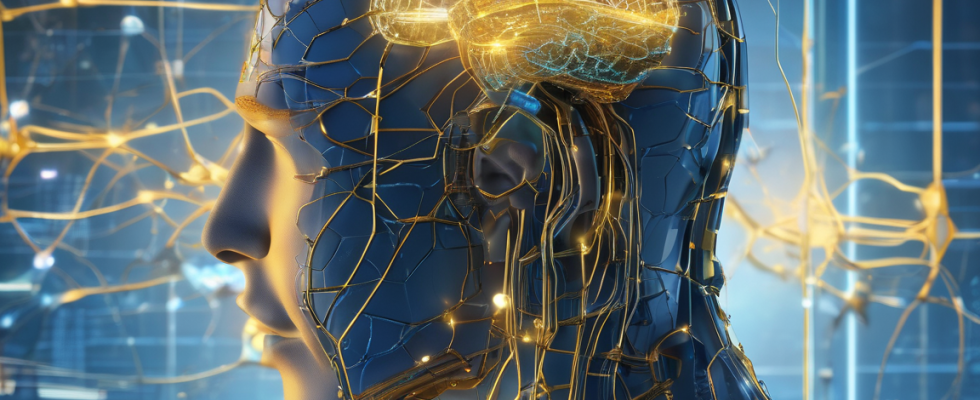
Introduction to Brain-Computer Interfaces
Brain-Computer Interfaces (BCIs) are rapidly transforming from a futuristic concept into a tangible reality. These interfaces, which allow direct communication between the brain and external devices, are poised to revolutionize the way we interact with technology. Initially designed to assist individuals with severe disabilities, BCIs are now exploring consumer tech applications, promising a new era of human-computer interaction. This article delves into the current state of BCI technology, particularly focusing on Neuralink, a pioneering company in this field.
Advertisements
Neuralink: A Leader in BCI Technology
Neuralink, founded by Elon Musk in 2016, has emerged as a leader in the development of BCIs. The company's mission is to create a generalized brain interface to restore autonomy to those with unmet medical needs today and unlock human potential tomorrow. Neuralink's vision involves integrating technology seamlessly with the human brain, enabling capabilities that were once thought to be science fiction.
Recent Advances and Innovations
In recent years, Neuralink has made significant strides in BCI technology. One of its most notable achievements is the development of an implantable device capable of recording and stimulating brain activity with high precision. This device, designed to be minimally invasive, consists of thousands of electrodes that can monitor neuron activity. The potential applications of such technology extend far beyond medical uses, opening doors to consumer tech innovations that could change how we interact with our digital environments.
Medical Applications
Neuralink's primary focus has been on medical applications, particularly aiding individuals with paralysis. The company's device aims to restore mobility by enabling users to control prosthetics or other assistive devices through thought alone. This technology holds promise not only for improving quality of life for individuals with disabilities but also for advancing our understanding of the brain.
The Broader Landscape of BCIs
While Neuralink is at the forefront, it is not the only player in the BCI industry. Numerous startups and research institutions worldwide are exploring various aspects of brain-computer communication. These efforts collectively contribute to the rapid advancement of BCI technology, pushing the boundaries of what is possible.
Consumer Technology Potential
The implications of BCIs in consumer technology are profound. Imagine controlling your smartphone, computer, or even household appliances with your thoughts. This level of integration could redefine convenience and accessibility. However, the transition from medical applications to consumer tech presents unique challenges, including ethical considerations, data privacy concerns, and the need for robust security measures to prevent misuse or hacking.
Ethical and Privacy Considerations
As with any emerging technology, BCIs raise important ethical and privacy questions. The ability to read and potentially influence thoughts poses significant risks if not carefully regulated. Ensuring that BCIs are developed and deployed ethically is paramount. This includes establishing clear guidelines for data ownership, consent, and security.
Data Security
Data security is a critical concern in the development of BCIs. The sensitive nature of neural data necessitates stringent measures to protect against unauthorized access and misuse. Companies like Neuralink are tasked with not only advancing the technology but also ensuring that it adheres to the highest standards of security.
The Future of BCIs
The future of BCIs is both exciting and uncertain. As technology continues to advance, the potential applications of BCIs will likely expand, encompassing areas we have yet to imagine. The integration of BCIs into mainstream consumer technology could lead to unprecedented levels of human-computer interaction.
Challenges Ahead
Despite the promise of BCI technology, several challenges remain. Technical hurdles, such as improving the longevity and reliability of BCI devices, must be addressed. Additionally, societal acceptance and regulatory frameworks will play crucial roles in determining how quickly and effectively BCIs can be integrated into everyday life.
Conclusion
Neuralink and other companies at the forefront of brain-computer interface technology are paving the way for a future where direct communication between the brain and external devices is commonplace. While the current focus remains primarily on medical applications, the potential for consumer tech applications is immense. As we navigate the challenges and ethical considerations associated with BCIs, it is essential to ensure that this technology is developed responsibly and inclusively. The journey of BCIs from a novel concept to a mainstream tool is just beginning, and its evolution will undoubtedly shape the future of human interaction with technology.
In conclusion, the current state of consumer tech in brain-computer interfaces is a testament to human ingenuity and the relentless pursuit of innovation. With companies like Neuralink leading the charge, the possibilities are vast and exciting. As we stand on the brink of this technological revolution, the promise of BCIs offers a glimpse into a future where the boundaries between humans and machines become increasingly blurred, leading to a new era of interconnectedness and potential.