

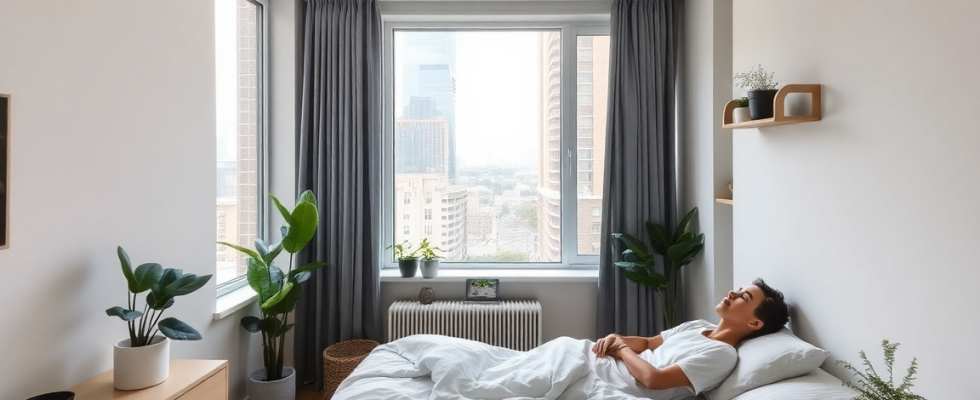
In today's fast-paced urban environments, noise pollution has become an unwelcome companion to city dwellers. With the constant hum of traffic, construction, and crowded living spaces, many individuals are seeking refuge in what has been termed "quiet living." This lifestyle trend emphasizes reducing noise stress to improve mental health and overall well-being. This article explores the rise of quiet living and offers practical tips for minimizing noise in urban settings.
Advertisements
Understanding the Trend of Quiet Living
The concept of quiet living is gaining traction, especially in high-density urban areas. As noted in recent studies, such as those conducted in China, residents are increasingly valuing the tranquility that comes with reduced noise levels in their living environments. The importance of mental health and wellness has never been more pronounced, and quiet living spaces are becoming a key component in achieving this balance.
Benefits of Quiet Living
Quiet living offers numerous benefits that resonate with a broad audience, including seniors, families, and professionals. A quieter environment can lead to reduced stress levels, better sleep quality, and more relaxation time, contributing to a calmer daily routine. For many, these advantages are crucial in maintaining both physical and mental health.
Recent data from cities like Wichita have shown that renters are actively seeking properties that provide a quieter living atmosphere. This trend is not limited to the United States but is evident in various global urban centers. The shift towards quiet living signifies a growing awareness of the impact noise pollution has on our lives.
Tips for Reducing Urban Noise Stress
Adopting a quiet living lifestyle involves making conscious choices and implementing strategies to minimize noise. Here are several practical tips to help urban residents achieve a more peaceful living environment:
1. Soundproofing Your Home
Investing in soundproofing measures can significantly reduce noise intrusion. Consider installing noise-reducing flooring materials, which can dampen sound from both inside and outside your home. Additionally, soundproof curtains and window treatments can block out street noise effectively. For those living in apartment buildings, sealing gaps around windows and doors can prevent sound leakage and create a more serene indoor atmosphere.
2. Choosing the Right Location
When selecting a place to live, consider the location and construction of the building. Older buildings, often constructed with thicker walls and more robust materials, can offer better sound insulation compared to newer, less solid structures. As highlighted in resources like Live the Wilmore, evaluating the building's age and construction method is pivotal for those seeking quieter living conditions.
3. Creating a Noise-Free Zone
Designating a specific area in your home as a noise-free zone can provide a sanctuary from daily urban chaos. This area should be free from electronic devices and other potential noise sources. Incorporating elements such as plants, soft textiles, and calming decor can enhance the tranquility of this space, offering a retreat for relaxation and mindfulness practices.
4. Utilizing Technology
Technology can be both a source of noise and a solution. Consider using white noise machines or apps that play soothing sounds to mask unwanted noise. These tools can be particularly useful for improving sleep quality in noisy environments. Additionally, noise-canceling headphones are a worthwhile investment for those who need to focus amid auditory distractions.
5. Implementing a Noise Curfew
Establishing a noise curfew within your household promotes a quieter environment during specific hours, such as evenings and nights. This practice encourages all household members to be mindful of noise levels, fostering a more peaceful living space. It can also help in maintaining good relations with neighbors by minimizing disturbances.
The Future of Quiet Living
As urban populations continue to rise, the demand for quiet living environments is expected to grow. This trend is not just about personal preference; it's a reflection of a broader cultural shift towards prioritizing mental health and wellness. Property developers and city planners are increasingly taking noise pollution into account when designing residential areas, recognizing the significance of quiet living in enhancing the quality of life for urban residents.
Conclusion
Quiet living is more than just a lifestyle choice—it's a necessary adaptation to the challenges posed by urban noise pollution. By implementing soundproofing measures, choosing the right location, creating noise-free zones, utilizing technology, and establishing noise curfews, individuals can significantly reduce urban noise stress. As the culture of mental health and wellness continues to grow, the importance of quiet living will undoubtedly become even more pronounced. In the hustle and bustle of city life, finding tranquility in our homes is not just desirable; it's essential for our well-being.