

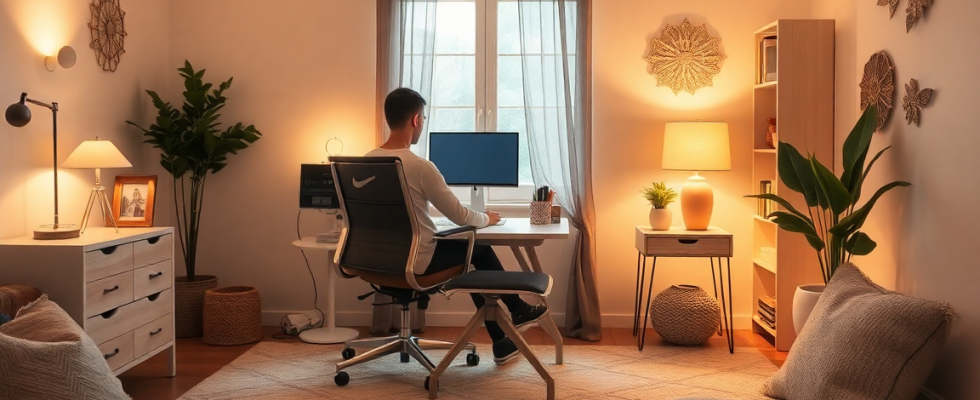
In today's world, where remote work has become a norm, creating a home office that caters to sensory needs is vital for productivity and well-being. Designing a sensory-friendly home office involves making conscious choices about the environment to support focus, comfort, and sensory regulation. This guide offers essential tips and insights into creating a workspace that is not only functional but also accommodating to those with sensory sensitivities.
Advertisements
Understanding Sensory Sensitivities
Before diving into design tips, it's crucial to understand what sensory sensitivities entail. Individuals with sensory processing issues often experience their environment intensely, which can lead to discomfort and distraction. These sensitivities can affect anyone but are particularly prevalent among those with autism, ADHD, or anxiety disorders. The aim of a sensory-friendly home office is to minimize discomfort and create an oasis of calm that enhances productivity.
Choosing the Right Furniture
One of the fundamental aspects of designing a sensory-friendly home office is selecting the appropriate furniture. Desks and chairs that are adjustable in height are essential, as they provide flexibility and can accommodate different needs and preferences. This adaptability ensures that the workspace can be personalized for maximum comfort, reducing physical strain and promoting better posture.
Ergonomic and Comfortable Seating
Invest in ergonomic chairs that offer proper lumbar support. The chair should be cushioned and made of materials that feel pleasant to the touch. For added comfort, consider incorporating plush cushions or a soft throw blanket. These elements not only add to the aesthetic but also provide tactile comfort, which can be particularly soothing for those with tactile sensitivities.
Creating a Calming Environment
Soften the Visuals
Harsh lighting and stark colors can be overwhelming. Instead, opt for soft lighting and neutral or pastel wall colors. Natural light is ideal, but when that's not possible, use lamps with warm-toned bulbs to create a cozy ambiance. Textured wall hangings can also soften the space visually and add an element of interest without being distracting.
Soundproofing and Noise Control
Noise can be a significant distraction. Implement soundproofing techniques such as using carpets, heavy curtains, or acoustic wall panels to reduce echo and external noise. For additional auditory support, consider providing noise-canceling headphones or a white noise machine. These tools can help drown out unwanted sounds and create a more serene working environment.
Organizing the Space
A cluttered workspace can lead to sensory overload. Keep the home office organized with minimal yet effective storage solutions. Utilize shelves, drawers, and organizers to keep items out of sight but within reach. This approach not only maintains a tidy space but also minimizes visual distractions.
Incorporating Nature
Bringing elements of nature into a home office can have a calming effect. Consider adding potted plants or a small indoor garden. The presence of greenery can enhance the air quality and provide a visual break from the digital screens. Additionally, the act of tending to plants can be a therapeutic activity that promotes relaxation.
Personalizing the Workspace
Personal touches can make a home office feel more inviting and less sterile. Introduce items that hold personal significance or provide comfort, such as family photos, artwork, or mementos. However, ensure that these items do not clutter the space or become distracting.
Technology and Accessibility
Incorporate technology that aids productivity without adding to sensory overload. A charging tower can help manage cords and keep the workspace tidy. Additionally, consider voice-activated devices or software that caters to specific needs, making tasks more accessible and less stressful.
Maintaining a Healthy Environment
Nutrition and Hydration
Having a mini fridge stocked with healthy snacks and meals can be beneficial, particularly during long working hours. Keeping big bottles of water accessible ensures that hydration is never neglected, promoting overall health and concentration.
Regular Breaks and Movement
Encourage taking regular breaks to move around and stretch. This practice not only helps to reduce physical tension but also provides a mental reset. Consider incorporating a small exercise area with a yoga mat or resistance bands for quick workouts during breaks.
Conclusion
Designing a sensory-friendly home office is about creating a space that supports both productivity and well-being. By carefully considering elements such as lighting, furniture, sound, and organization, you can craft an environment that meets sensory needs and enhances overall comfort. Whether you're working full-time from home or need a dedicated space for occasional tasks, these tips can help transform any area into a sensory-friendly haven. Embrace the opportunity to personalize your workspace, making it a truly supportive environment for focused work and mental peace.