

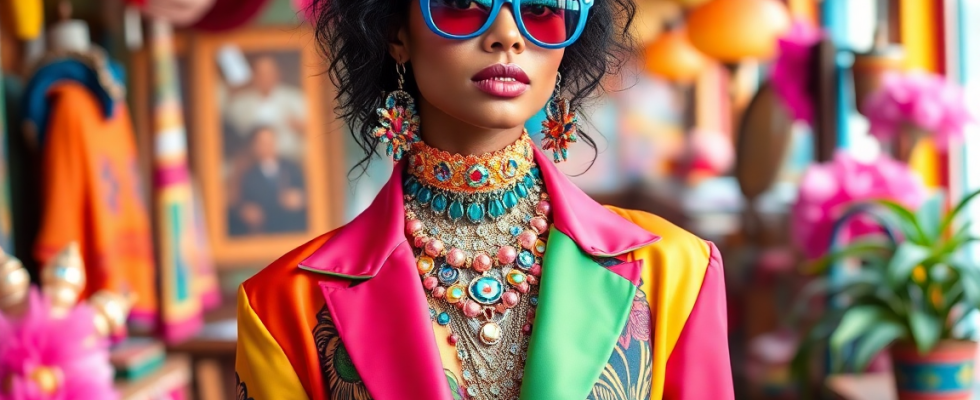
In recent years, the fashion world has witnessed a significant shift from the minimalist wardrobes that dominated the 2010s to the resurgence of maximalism. This trend, characterized by bold colors, diverse textures, and an abundance of accessories, is not just a fleeting fad but a profound movement that challenges the “less is more” philosophy. This article explores the reasons behind this shift and why maximalism is capturing the imaginations of fashion enthusiasts across the United States.
Advertisements
Understanding Maximalism in Fashion
Maximalism, at its core, is a celebration of excess and individuality. Unlike minimalism, which emphasizes simplicity and restraint, maximalism encourages personal expression through rich, layered, and often eclectic combinations. The movement towards maximalism can be seen as a reaction against the uniformity that minimalism sometimes imposes. In a world where fashion often feels dictated by a handful of trends, maximalism allows individuals to break free and embrace their unique style.
The Historical Context
To understand the current return to maximalism, it is helpful to consider its place in the broader historical context of fashion. Maximalism isn't new; it was the hallmark of fashion in the 1980s and early 2000s, periods known for their bold and exuberant styles. However, as the 2010s rolled in, minimalism took over, with its sleek lines and muted palettes dominating runways and wardrobes. Yet, as history has shown, fashion is cyclical, and the pendulum is now swinging back towards maximalism.
The Influence of Cultural Shifts
Several cultural factors are driving the return to maximalism. In the wake of the quiet luxury trend that peaked between 2020 and 2023, many fashion enthusiasts began yearning for more expressive and personalized styles. The rise of social media platforms like Instagram and TikTok has also played a crucial role in this shift. These platforms thrive on visually captivating content, making maximalist styles, with their vibrant colors and intricate details, particularly appealing.
Furthermore, the global events of the past few years, such as the COVID-19 pandemic, have led to a reevaluation of personal values and lifestyle choices. During times of uncertainty, fashion often becomes a form of escapism and self-expression. Maximalism, with its emphasis on creativity and individuality, offers a form of sartorial freedom and an opportunity to explore one's identity.
Maximalism in Modern Wardrobes
The modern maximalist wardrobe is a tapestry of bold prints, varied textures, and statement accessories. It is characterized by its versatility and the ability to mix and match different elements to create a cohesive look. This approach to fashion is not about mindlessly accumulating clothes but about curating a collection that reflects one's personality and mood.
For instance, a maximalist outfit might feature a vibrant floral blouse paired with a geometric-patterned skirt, layered with chunky jewelry and a brightly colored handbag. The key is to balance the elements to avoid overwhelming the senses while still making a strong fashion statement.
The Impact on the Fashion Industry
The return of maximalism is having a significant impact on the fashion industry. Designers are increasingly embracing more vibrant and diverse collections that break away from the subdued aesthetics of minimalism. This shift is also reflected in the increasing popularity of bold runway shows and fashion events that celebrate diversity and creativity.
Retailers are responding to the demand for maximalist styles by offering a wider range of products that cater to this trend. This includes everything from eye-catching accessories to experimental garments that encourage consumers to step out of their comfort zones. Additionally, the rise of sustainable fashion has dovetailed with maximalism, as consumers seek out unique, vintage, or upcycled pieces to express their individuality.
Challenges and Criticisms
Despite its growing popularity, maximalism is not without its challenges and criticisms. Some argue that it can lead to overconsumption, as individuals may feel pressured to continuously acquire new pieces to keep up with the trend. However, proponents of maximalism counter this by emphasizing the importance of thoughtful curation and personal style over consumerism.
Moreover, maximalism requires a certain level of confidence and fashion literacy to pull off effectively. Mixing patterns, colors, and textures can be daunting for some, leading to a preference for the simplicity and ease of minimalist styles. Yet, for those willing to experiment, maximalism offers a rewarding and enriching fashion experience.
Conclusion
The return of maximalism in fashion marks a significant cultural shift towards embracing individuality, creativity, and self-expression. As we move away from minimalist wardrobes, the fashion landscape is becoming more diverse and inclusive, allowing everyone to find their unique voice through clothing. This trend is not just about the clothes we wear but about the stories we tell and the identities we craft. As maximalism continues to evolve, it will undoubtedly inspire new generations to explore the limitless possibilities of fashion.
In conclusion, maximalism is more than just a fashion trend; it is a reflection of a broader desire for self-expression and authenticity in a world that often values conformity. Whether through bold colors, intricate patterns, or statement accessories, maximalism invites us to celebrate the richness of our identities and the joy of dressing. As this trend continues to gain momentum, it challenges us to rethink how we approach fashion and to embrace the limitless potential of our personal style.