

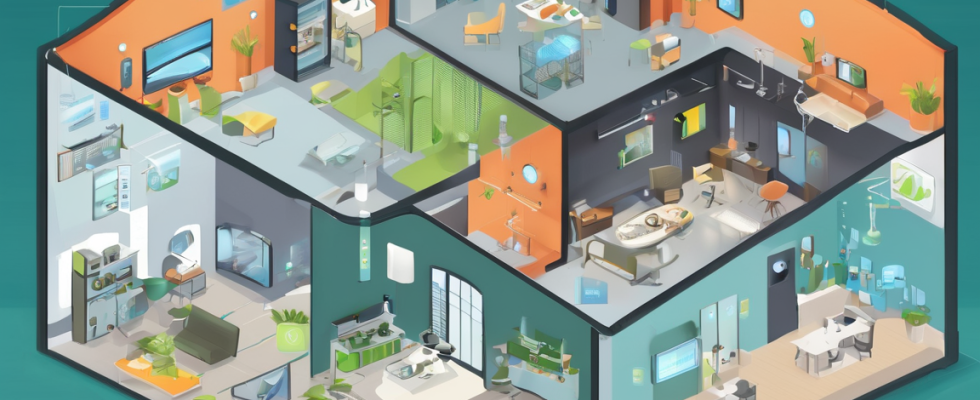
In today's digital age, smart homes offer unparalleled convenience, efficiency, and control over household functions. However, these advancements come with potential privacy concerns. This guide will walk you through building a privacy-first smart home, ensuring that your personal data remains secure while you enjoy the benefits of smart technology.
Advertisements
Understanding the Importance of Privacy in Smart Homes
Smart homes involve interconnected devices that communicate over the internet, often sharing data with cloud servers. While this connectivity enables automation and remote access, it also poses risks to personal privacy. Data breaches, unauthorized access, and surveillance are valid concerns. For instance, a breach of your smart home system could potentially expose sensitive data or allow unauthorized individuals to control your devices. Thus, prioritizing privacy when building a smart home is crucial for protecting your personal information and maintaining peace of mind.
Step 1: Choose a Privacy-Focused Smart Home Hub
The smart home hub acts as the central point of communication for all your devices. For a privacy-first approach, select a hub that minimizes cloud dependence. Local processing hubs are ideal as they store and process data within your home, reducing exposure to external servers. Popular choices include the Samsung SmartThings Hub and Home Assistant, both of which offer local control and robust security features. For example, Home Assistant operates entirely locally, so your data is kept within your home network, providing an additional layer of security against external threats.
Step 2: Install Smart Lighting with Privacy Considerations
Smart lighting systems add convenience and energy efficiency to your home. When choosing smart bulbs or switches, opt for brands that offer local control to avoid unnecessary data transfers to the cloud. Philips Hue and LIFX are renowned for their privacy-focused options that integrate seamlessly with local hubs, allowing you to control lighting without compromising security. Moreover, these systems can be configured to operate on schedules or react to certain conditions, such as turning on lights when someone enters a room, providing both privacy and automation benefits.
Step 3: Integrate Smart Sockets and Devices Locally
Smart sockets and devices, like thermostats and cameras, enhance home automation. However, devices that rely on cloud services can pose privacy risks. Consider brands like Aqara and Shelly, which provide local control options. These devices can function independently of the internet once set up, reducing potential data vulnerabilities. For instance, a locally controlled smart thermostat can adjust your home’s temperature based on your preferences without sending data to external servers, keeping your usage patterns private.
Step 4: Implement Secure Network Solutions
A secure network is foundational for a privacy-first smart home. Start by setting up a robust Wi-Fi network with strong encryption (WPA3 is recommended) and a unique password. Consider segmenting your network to isolate smart devices from personal devices, further enhancing security. Additionally, regularly update firmware and use a Virtual Private Network (VPN) to encrypt data traffic.
Securing Your Router
Your router is the gateway to your smart home network. Ensure it is updated with the latest firmware and disable any unused features, such as remote management. Use strong, unique passwords and consider enabling a firewall for added protection against unauthorized access. Also, consider using a guest network for visitors to prevent them from accessing your main network where your smart devices are connected.
Step 5: Opt for Devices with Local Voice Control
Voice assistants like Amazon Alexa and Google Assistant are popular in smart homes but often rely on cloud processing. For a privacy-centric setup, consider alternatives like Mycroft or Snips, which offer local voice processing capabilities. These options keep voice data within your home, minimizing external data exposure. By choosing local voice control options, you can enjoy the convenience of voice commands without worrying about your voice data being analyzed or stored on external servers.
Step 6: Set Up a Privacy-Centric Automation System
Automation is a core feature of smart homes, allowing devices to work together seamlessly. Use platforms like Home Assistant or Node-RED, which enable complex automations without relying on cloud services. These systems provide flexibility and control while ensuring that your data remains within your local network. For example, you can program your smart devices to simulate occupancy while you are away, enhancing security without compromising privacy.
Step 7: Regularly Audit and Update Your Smart Home
Maintaining a privacy-first smart home requires ongoing vigilance. Regularly audit your devices and network settings to ensure compliance with privacy best practices. Update firmware and software to patch vulnerabilities and stay informed about the latest privacy features and updates offered by manufacturers.
Conducting a Privacy Audit
Perform a privacy audit every few months to review device permissions and configurations. Disable unnecessary features that might compromise privacy and ensure that all devices are running the latest software versions. This proactive approach helps identify and mitigate potential privacy risks. Additionally, consider subscribing to security alerts from manufacturers to stay informed about any vulnerabilities or software updates.
Conclusion
Building a privacy-first smart home demands careful selection of devices, secure network practices, and a commitment to ongoing maintenance. By prioritizing local control, secure connections, and privacy-centric devices, you can create a smart home environment that safeguards your personal information without sacrificing convenience. As technology evolves, staying informed and proactive about privacy will ensure your smart home remains a secure and private sanctuary. By adopting these strategies, you can enjoy the many benefits of smart technology while keeping your personal life private.